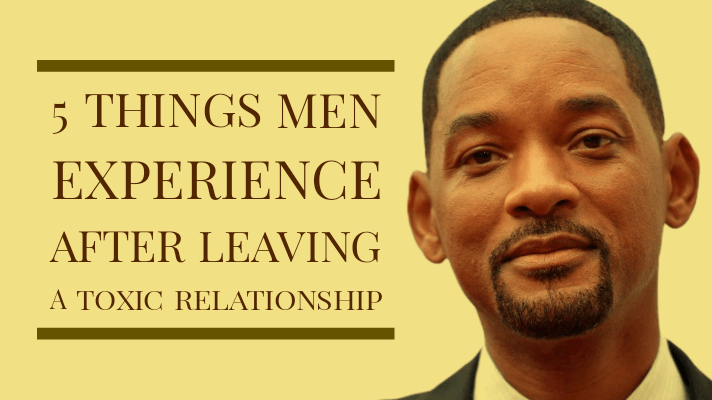
Financial Stress
Toxic relationships can leave men in financial distress due to having to maintain dual households, provide financial support for their partner’s needs, or cover debts accumulated while in the relationship.
Damage to Self-Esteem
Men may feel ashamed and embarrassed if they were abused or verbally degraded by their partner in the relationship, leading to feelings of worthlessness and a damaged self-esteem.
Depression/Anxiety
Men may experience depression and anxiety due to the loss of the relationship, particularly if it provided companionship and emotional support. It can feel overwhelming to have to start the process of healing and rebuilding a life without their former partner.
Possible Exclusion from Family and Friends
If a man leaves a toxic relationship, it is possible that his family and friends may choose to take sides, leaving him feeling isolated.
Legal/Criminal Consequences
If the toxic relationship becomes physical, verbal, or otherwise abusive, leaving can put the person at risk of legal and criminal consequences.
Are men scared to leave toxic relationships?
Men can be scared to leave toxic relationships for a variety of reasons.
These may include:
- Fear that their partner will become angry and/or violent
- Fear of losing financial and emotional support
- Fear of being alone
- Fear of having to start over
- Fear of judgment from family and friends
- Fear of the unknown.
In some cases, men may also feel a strong sense of loyalty and commitment to the relationship, even if it is unhealthy, which prevents them from leaving.
What advice would you give men leaving a toxic relationship?
1. Reach out for help from family and friends. Toxic relationships can be draining and isolating, so it’s important to have a support system to help you get through the tough times.
2. Take time for self-care. Allow yourself to prioritize your mental and physical wellbeing and practice self-care activities such as exercising, journaling, and going outdoors.
3. Seek out professional help. Toxic relationships may require professional help to navigate. Counseling is a great way to learn how to recognize and deal with toxic relationships in the future.
4. Be patient with yourself. It may take some time to process the experience and make peace with what happened. Find ways to be kind to yourself during the healing process.
5. Stay connected. Keep in touch with friends and family, as well as finding supportive online communities or professional organizations that can provide help and understanding.
“Don’t let what broke you be what defines you. You are strong, capable and worthy of a life filled with joy and love.”
Unknown



 The Resilient Mind
Leave a comment