
Having a strong support system can open doors to new opportunities. When you have people in your life who support and encourage you, they can help you connect with others who share your interests, introduce you to new ideas and experiences, and provide you with the resources you need to achieve your goals.
For example, if you have a friend who works in a field you’re interested in, they may be able to introduce you to people in their network who can help you learn more about that field or even offer you a job. If you’re looking to try something new, your support system can offer suggestions and connect you with others who share your interests.
Additionally, having a good support system can help boost your confidence and give you the courage to take risks and pursue opportunities you might not have considered before. When you know people who believe in you and are there to support you, you’re more likely to feel empowered to pursue your goals and try new things.
Overall, having a strong support system can be incredibly beneficial when it comes to opening doors to new opportunities and experiences. Whether it’s through introductions to new people or simply having a group of people who encourage and support you, your support system can help you expand your horizons and achieve your goals.
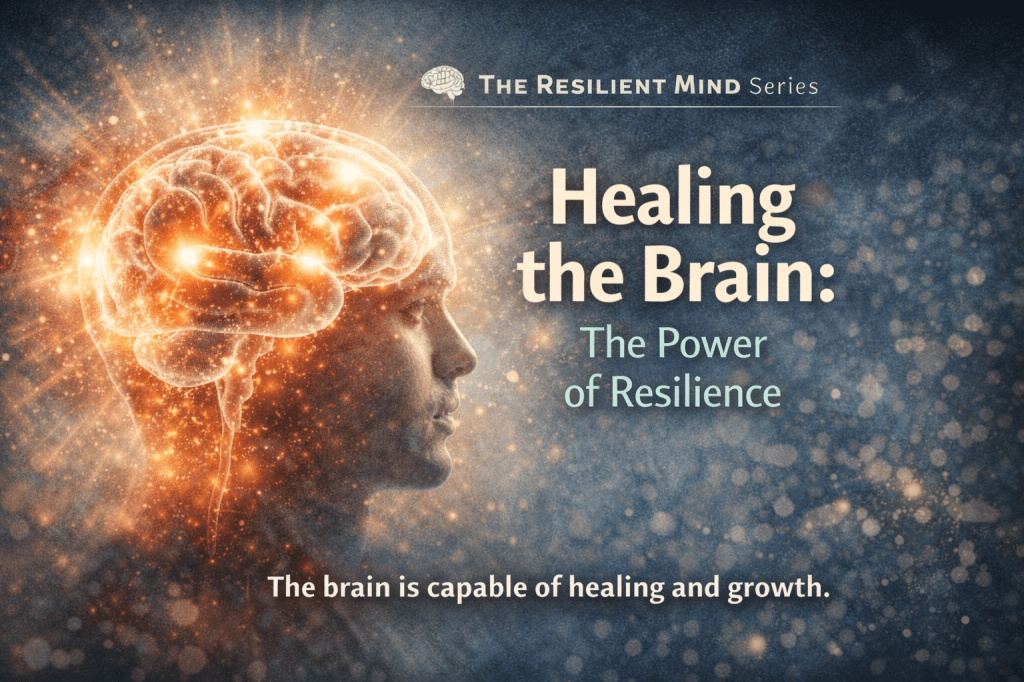
- Healing the Brain: The Power of Resilience
 The brain is incredibly resilient. Even after injury, it can adapt, rebuild connections, and continue healing over time. Recovery may involve therapy, support systems, and lifestyle changes. True resilience means continuing to grow and move forward, even while carrying experiences that have reshaped how we think and live.
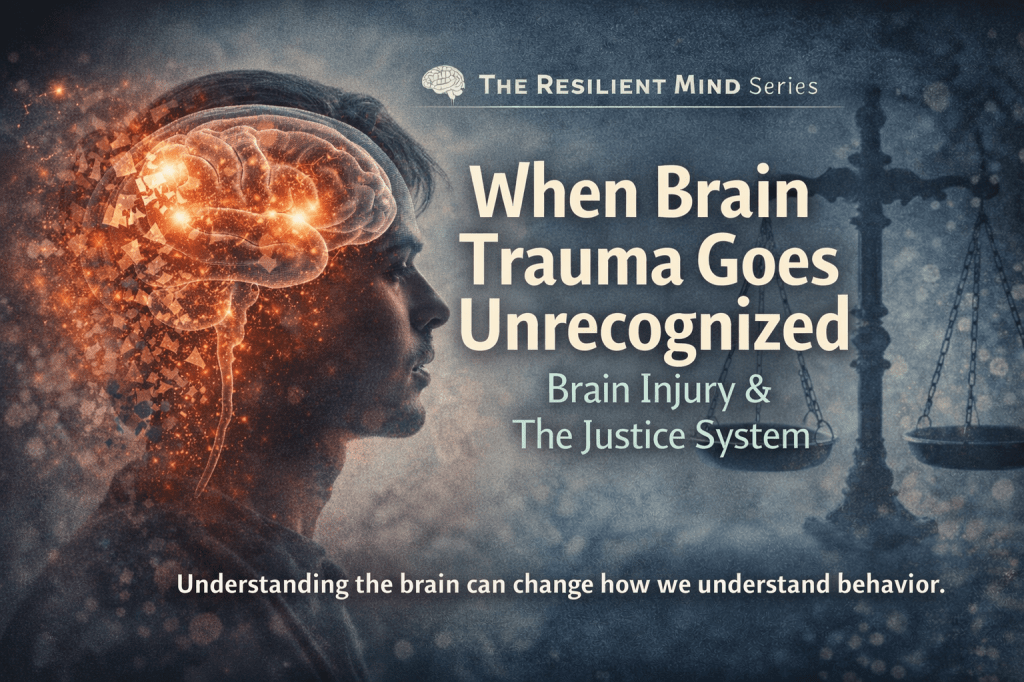
 - When Brain Trauma Goes Unrecognized
 When brain trauma goes unrecognized, people may struggle with impulse control, emotional regulation, and decision-making. These challenges can sometimes lead to misunderstandings or negative outcomes. Greater awareness of brain injuries helps communities and institutions respond with better understanding, support, and more informed approaches to human behavior.
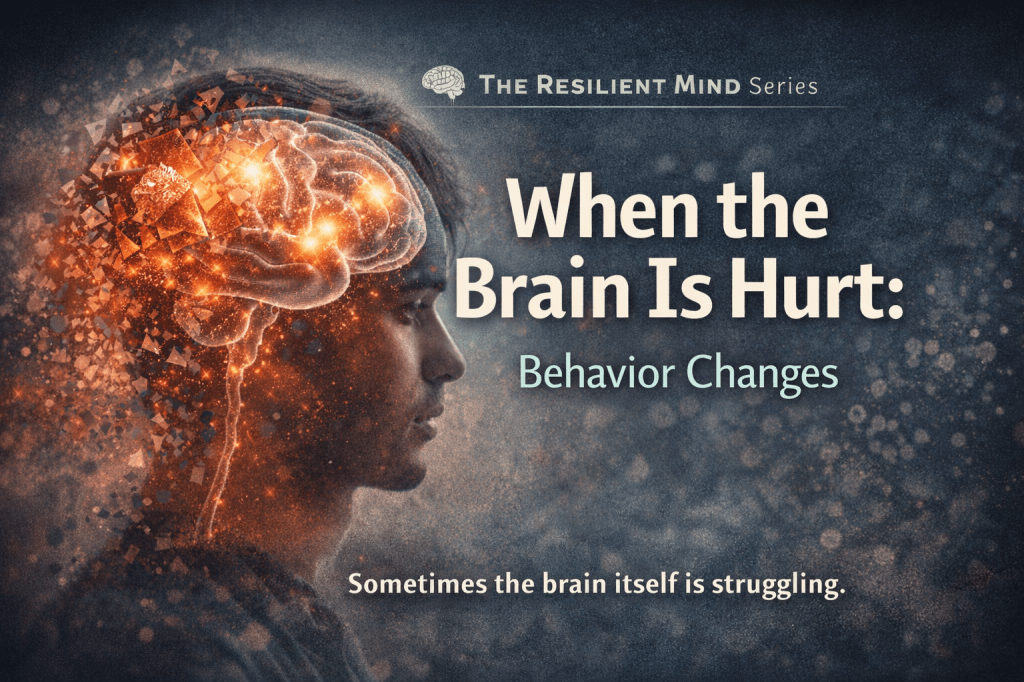
 - When the Brain Is Hurt, Behavior Changes
 Brain injuries can change how people think, react, and regulate their emotions. What looks like anger, distraction, or impulsiveness may actually be the brain struggling to function normally. Understanding the connection between brain health and behavior helps us approach challenges with empathy, awareness, and patience.
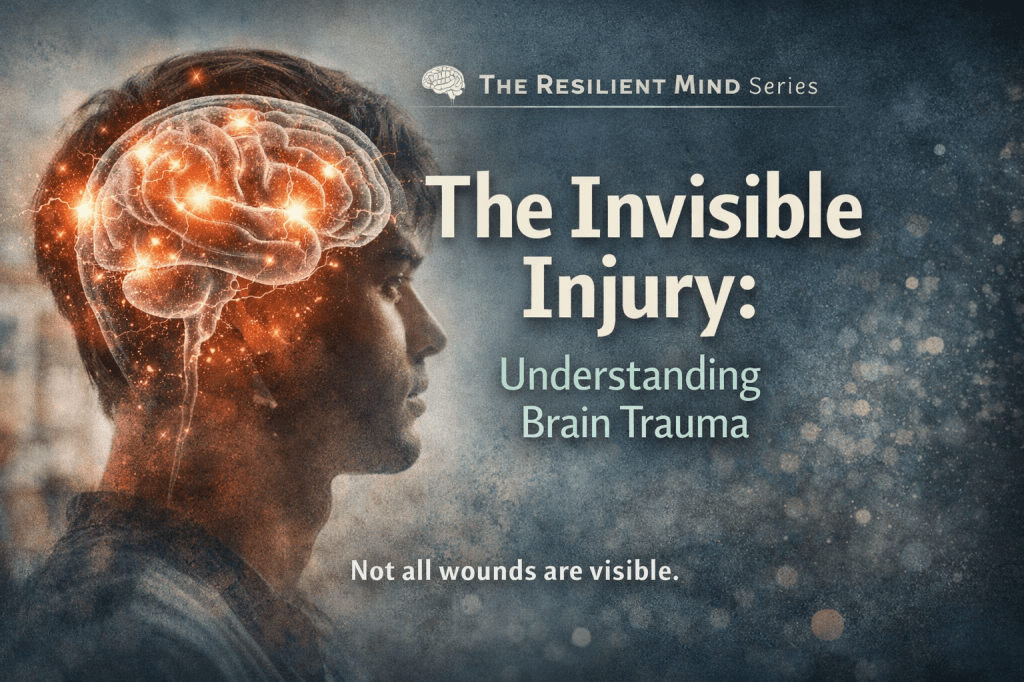
 - The Invisible Injury: Understanding Brain Trauma
 Many injuries are easy to see, but brain trauma often remains invisible. During Brain Injury Awareness Month, we explore how traumatic brain injuries affect the mind, behavior, and daily life. Understanding brain health is an important step toward compassion, awareness, and resilience in ourselves and in the people around us.
 - The Whale as a Classroom
 We fill our lives with noise, distractions, work, conversations, entertainment—anything that keeps us from sitting still long enough to hear what’s actually happening inside us.




 The Resilient Mind
Leave a comment