
Finding a Job/Career in Your 30’s
There are several reasons why men in their 30s might find it difficult to find a career they love. One reason is the changing job market, which has become more specialized and competitive in recent years. As a result, many men may find it difficult to find a job that matches their skills and interests.
Another reason is the pressure to conform to societal expectations, which often prioritize financial success and stability over personal fulfillment. This can make it difficult for men to pursue careers that they are passionate about if they do not offer the same level of financial security as more traditional career paths.
Lastly, some men may have difficulty committing to a single career path due to a fear of missing out on other opportunities, or a desire to maintain a sense of flexibility and independence in their work.
Overall, finding a career that one loves can be a challenging task at any age, and may require a combination of self-reflection, networking, and persistence.

The transition from your 20s to your 30s can be a time of great change and reflection. One of the most significant changes for many men during this time is their career path. While some men have already found their dream career, many others may be struggling to figure out what they want to do for the rest of their working lives. In this blog post, we’ll discuss some of the challenges that men in their 30s face when it comes to finding a career path that’s good for them and offer some tips for finding the perfect career.
Common Challenges
The pressure to have it all figured out.
As men enter their 30s, they may feel an increased pressure to have it all figured out. They may have friends and family members who are already settled in their careers, and it can be easy to compare oneself to others. However, it’s important to remember that everyone’s journey is different. Just because someone else has found their dream career doesn’t mean that it’s too late for you to do the same.
Difficulty figuring out what you want to do.
Many men in their 30s may find it challenging to figure out what they want to do for a career. They may have tried different jobs and industries, but nothing seems to click. It’s important to remember that finding the perfect career takes time and exploration. It’s okay to try different things and take on new challenges until you find the right fit.
Fear of failure.
Fear of failure can be a significant roadblock for men in their 30s who are trying to find their perfect career. They may worry about the financial implications of making a career change or the risk of starting over in a new industry. However, it’s important to remember that failure is a natural part of the journey to finding the right career. It’s okay to make mistakes and learn from them.
So, what can men in their 30s do to find the perfect career?
Here are a few tips:
Take a career assessment
One of the best ways to figure out what career is right for you is to take a career assessment. These assessments can help you identify your strengths, interests, and values, which can help you determine what career path is a good fit for you.
Network
Networking is an essential part of finding the right career. Reach out to people in industries that interest you and ask them about their experiences. Attend industry events and job fairs to meet people who can help you learn more about potential career paths.
Try different things
Trying different things is an essential part of finding the perfect career. Don’t be afraid to take on new challenges or try different industries until you find what works for you.
Be patient
Finding the right career takes time, so be patient with yourself. Remember that it’s okay to make mistakes and take on new challenges. Keep an open mind, and you’ll eventually find the perfect career for you.
In conclusion, men in their 30s may face many challenges when it comes to finding the perfect career. However, with patience, exploration, and a willingness to take on new challenges, it’s possible to find a career that is both fulfilling and financially rewarding. Remember that everyone’s journey is different, so don’t be too hard on yourself if you haven’t found the perfect career yet. Keep exploring, and you’ll eventually find what works for you.
Don’t let your potential go to waste! Sign up now to take our free aptitude test and discover your true strengths Don’t wait, your future success depends on it. Take charge and unleash your full potential today!
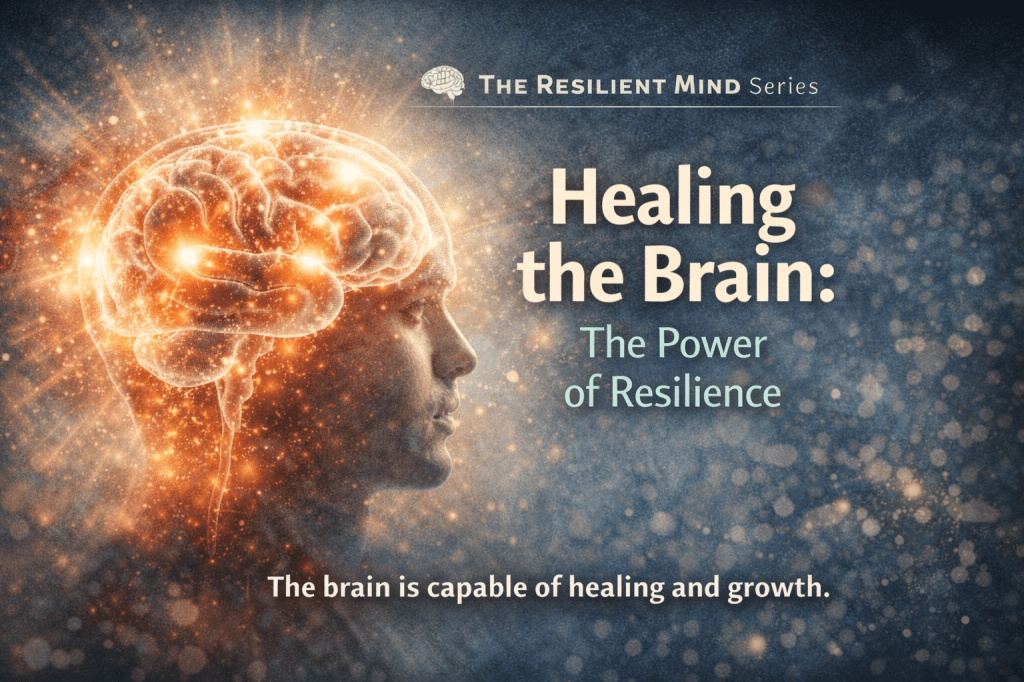
- Healing the Brain: The Power of Resilience
 The brain is incredibly resilient. Even after injury, it can adapt, rebuild connections, and continue healing over time. Recovery may involve therapy, support systems, and lifestyle changes. True resilience means continuing to grow and move forward, even while carrying experiences that have reshaped how we think and live.
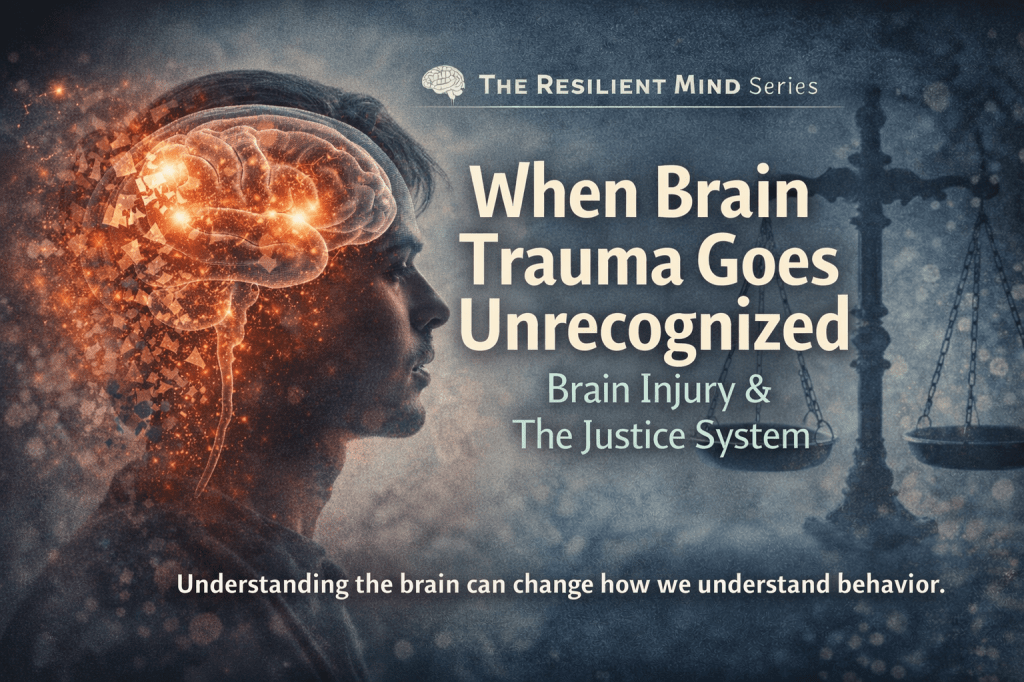
 - When Brain Trauma Goes Unrecognized
 When brain trauma goes unrecognized, people may struggle with impulse control, emotional regulation, and decision-making. These challenges can sometimes lead to misunderstandings or negative outcomes. Greater awareness of brain injuries helps communities and institutions respond with better understanding, support, and more informed approaches to human behavior.
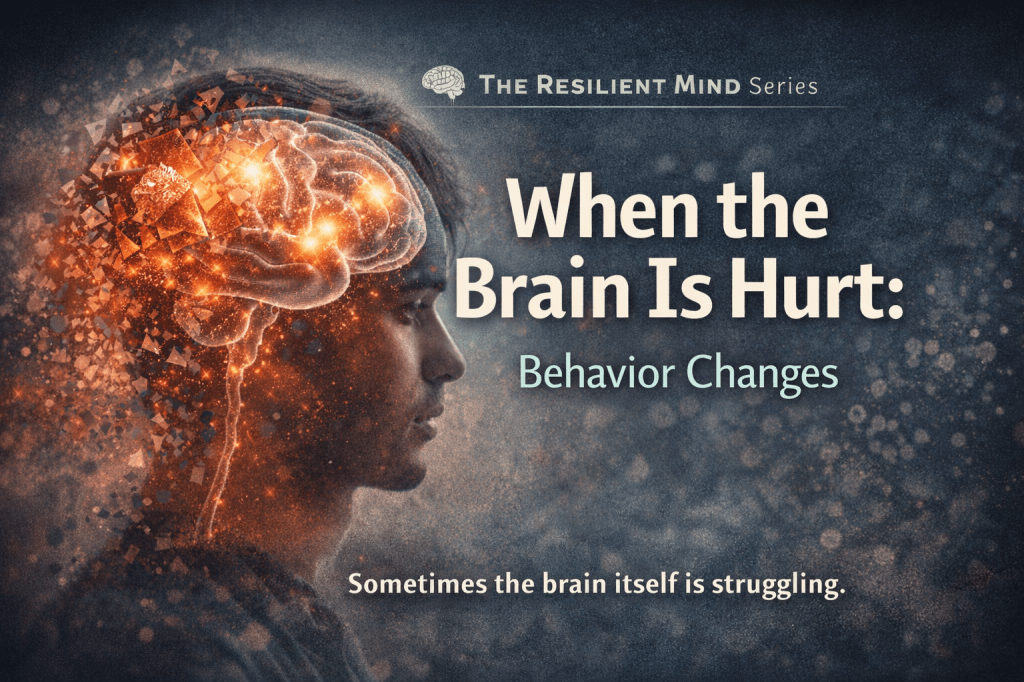
 - When the Brain Is Hurt, Behavior Changes
 Brain injuries can change how people think, react, and regulate their emotions. What looks like anger, distraction, or impulsiveness may actually be the brain struggling to function normally. Understanding the connection between brain health and behavior helps us approach challenges with empathy, awareness, and patience.
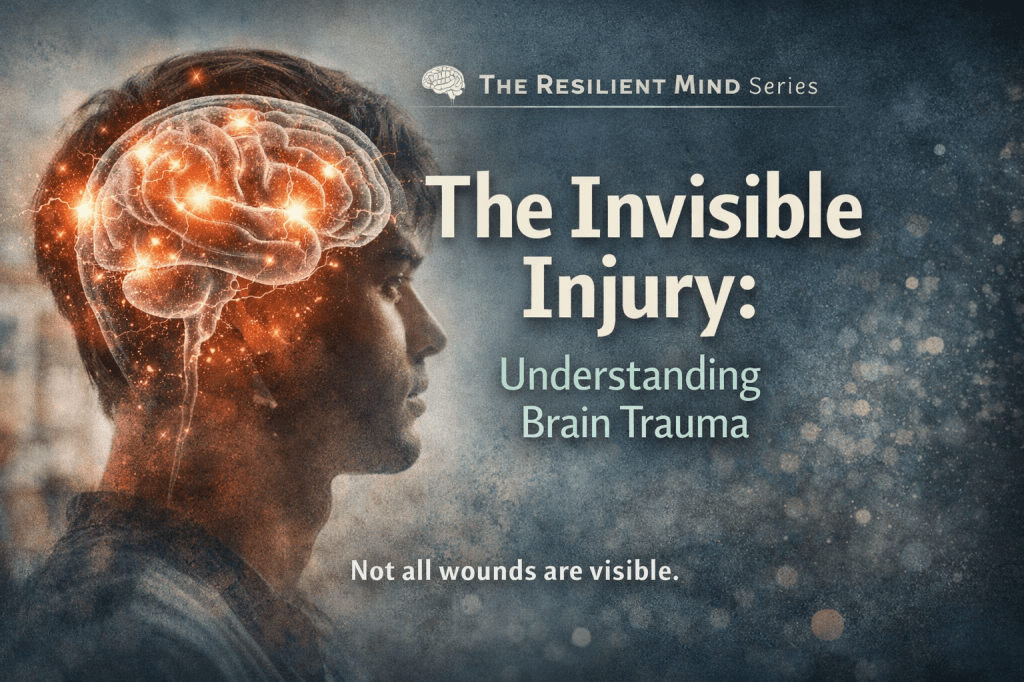
 - The Invisible Injury: Understanding Brain Trauma
 Many injuries are easy to see, but brain trauma often remains invisible. During Brain Injury Awareness Month, we explore how traumatic brain injuries affect the mind, behavior, and daily life. Understanding brain health is an important step toward compassion, awareness, and resilience in ourselves and in the people around us.
 - The Whale as a Classroom
 We fill our lives with noise, distractions, work, conversations, entertainment—anything that keeps us from sitting still long enough to hear what’s actually happening inside us.



 The Resilient Mind
Leave a comment