
How do you unwind after a demanding day?
For the most part my days are all the same and I maintain a pretty consistent work life balance, and I try to make it a point to set a time for my personal goals for growth at least 2 days a week.
On a regular day I’m up anywhere between 4 and 5 am, but I’m usually laying there for a good 30 to 45 minutes reflecting on the past 24 hours before I fire up my laptop and coffee pot, and I’m typically out the door on my way to work by 7.
Depending on how work goes for the day I’m usually back home no later than 7 pm. Sometimes work can be one big move for the day or three small ones, and the day can go from a regular 8 hour day to a hectic 12 to 14 hour day really fast. Overall, all of my days are pretty demanding.
When I finally do make it home I’m all wound up from the stress of the day so it’s hard to wind down. First, I hop in the shower to wash the day away then head straight to the fridge to either cook or warm up some left overs. Once I get my food situation settled I pick a movie to watch me while I scroll through Instagram and TikTok for the next hour before making a bowl of popcorn for my night cap and head to bed.
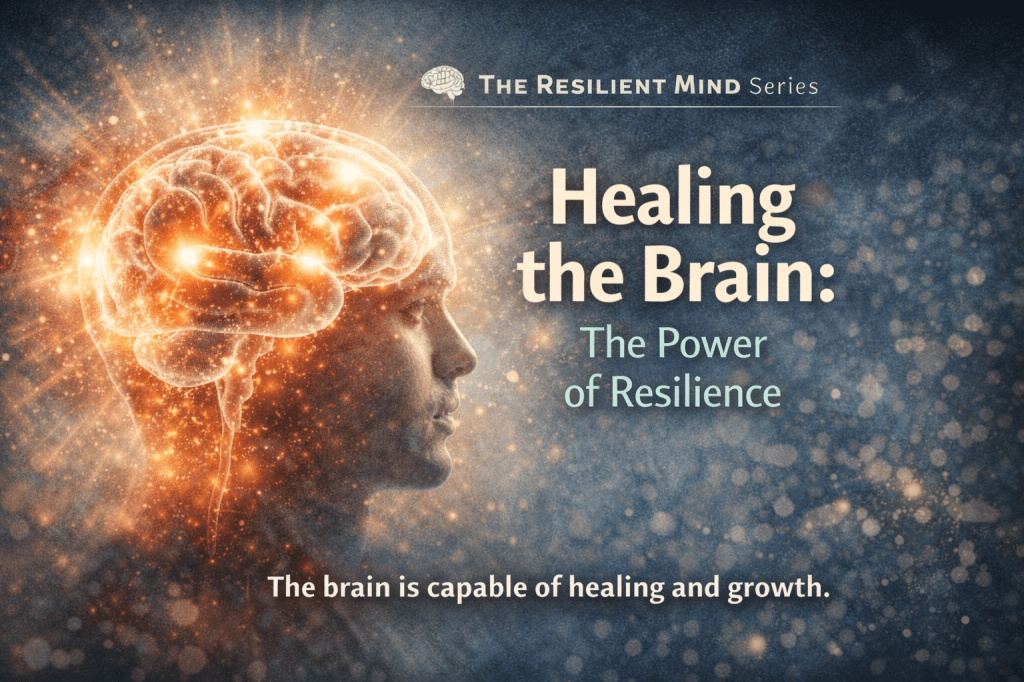
- Healing the Brain: The Power of Resilience
 The brain is incredibly resilient. Even after injury, it can adapt, rebuild connections, and continue healing over time. Recovery may involve therapy, support systems, and lifestyle changes. True resilience means continuing to grow and move forward, even while carrying experiences that have reshaped how we think and live.
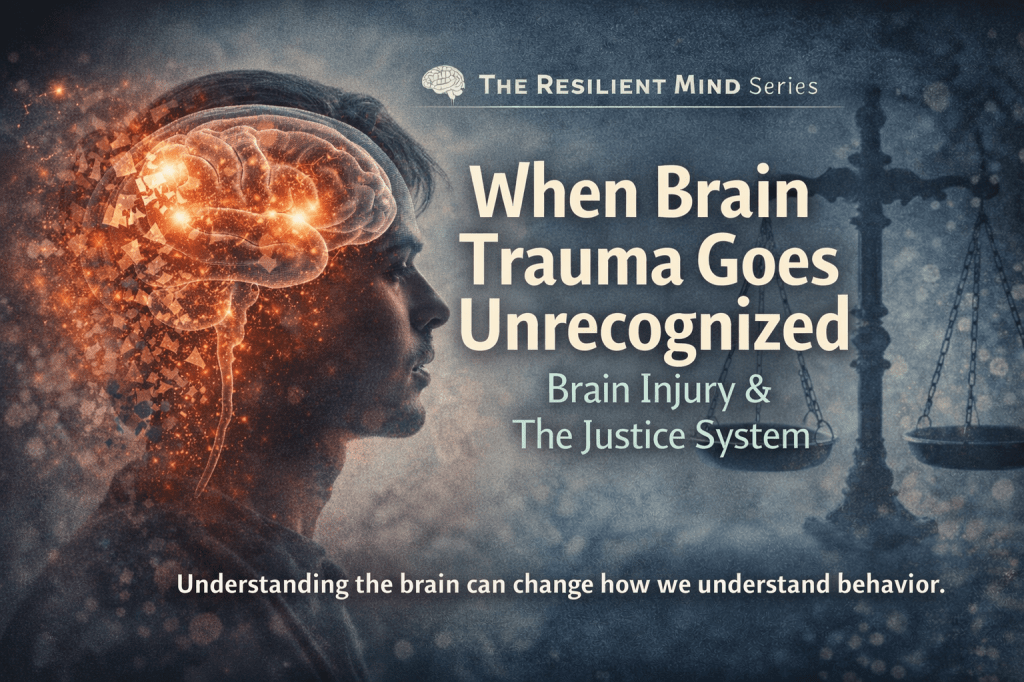
 - When Brain Trauma Goes Unrecognized
 When brain trauma goes unrecognized, people may struggle with impulse control, emotional regulation, and decision-making. These challenges can sometimes lead to misunderstandings or negative outcomes. Greater awareness of brain injuries helps communities and institutions respond with better understanding, support, and more informed approaches to human behavior.
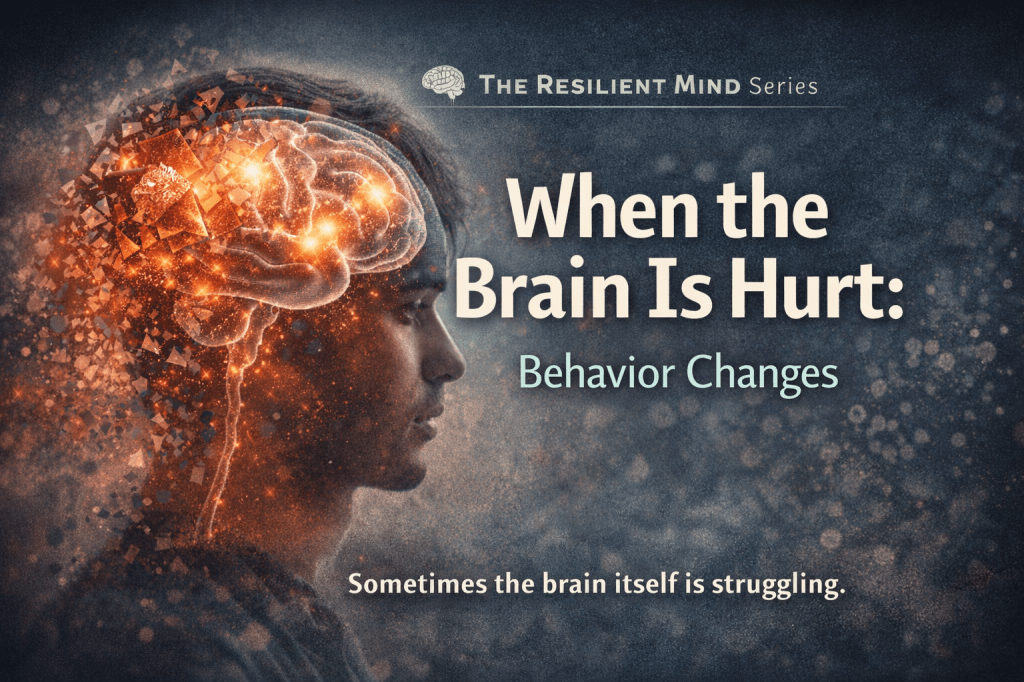
 - When the Brain Is Hurt, Behavior Changes
 Brain injuries can change how people think, react, and regulate their emotions. What looks like anger, distraction, or impulsiveness may actually be the brain struggling to function normally. Understanding the connection between brain health and behavior helps us approach challenges with empathy, awareness, and patience.
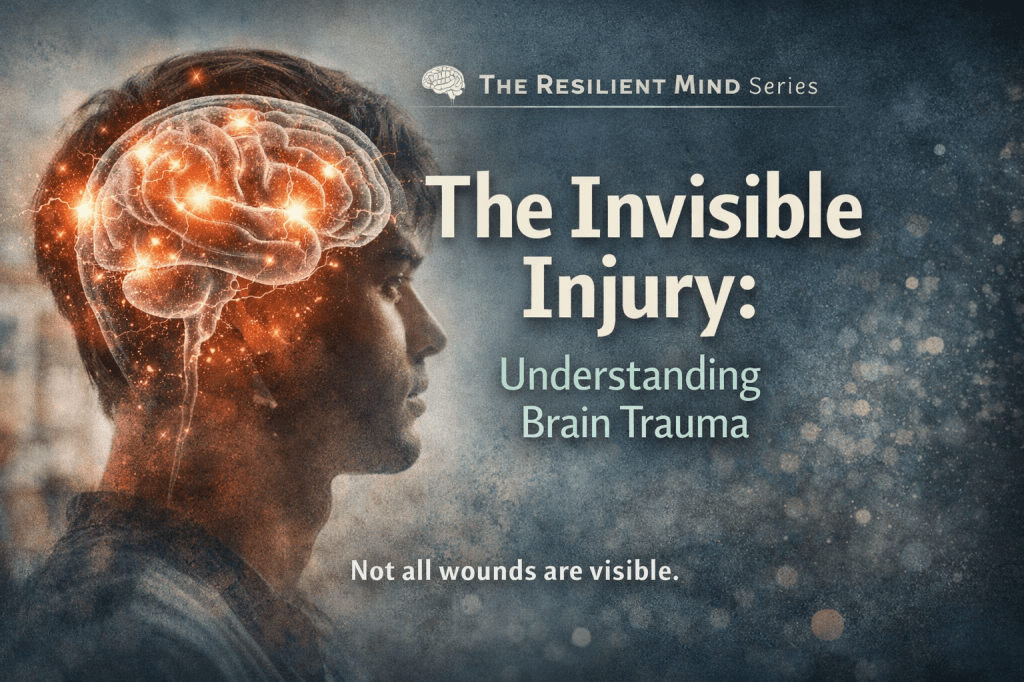
 - The Invisible Injury: Understanding Brain Trauma
 Many injuries are easy to see, but brain trauma often remains invisible. During Brain Injury Awareness Month, we explore how traumatic brain injuries affect the mind, behavior, and daily life. Understanding brain health is an important step toward compassion, awareness, and resilience in ourselves and in the people around us.
 - The Whale as a Classroom
 We fill our lives with noise, distractions, work, conversations, entertainment—anything that keeps us from sitting still long enough to hear what’s actually happening inside us.




 The Resilient Mind
Leave a comment