
What is inner-capital?
Inner capital refers to the personal resources and qualities that an individual has developed and cultivated throughout their life. It encompasses knowledge, skills, character traits, emotions, values, and social relationships. This inner capital helps shape an individual’s thoughts, actions, and interactions, enabling them to navigate their personal and professional lives more effectively.
Key components of inner capital include:
- Mental capital such as knowledge, experience, and cognitive skills.
- Emotional capital such as emotional intelligence, empathy, resilience.
- Social capital like networks, social connections, and trust.
Build up your inner capital by developing personal and professional qualities that foster emotional, mental, and spiritual well-being and boost the overall quality of your life.
Here are five ways to build your inner capital:
1. Develop Emotional Intelligence:
Improving your ability to understand, manage, and express emotions constructively will empower you in personal and professional relationships. Practice active listening, empathy, and assertiveness to better navigate emotions.
2. Cultivate Mindfulness and Meditation:
Engage in meditation or mindfulness exercises to increase self-awareness and enhance your ability to stay present. This can help reduce anxiety or stress and improve focus, resilience, and overall well-being.
3. Strengthen Personal Values and Ethics:
Aligning your actions with a strong set of personal values can improve decision-making, self-confidence, and inner stability. Reflect on your core values and work to forge actions and choices that are consistent with them.
4. Build a Support Network:
Cultivate close relationships with friends, family, and mentors who share your values and can provide guidance and support. These connections will help you form a sense of belonging and reinforce your inner capital growth.
5. Engage in Continuous Learning and Personal Growth:
Recognize the importance of lifelong learning and embrace opportunities for personal and professional development. Seek out diverse experiences, challenges, and skill-building activities to broaden your perspective and enhance your inner capital. Remember to remain open to feedback and be willing to reflect on your experiences.
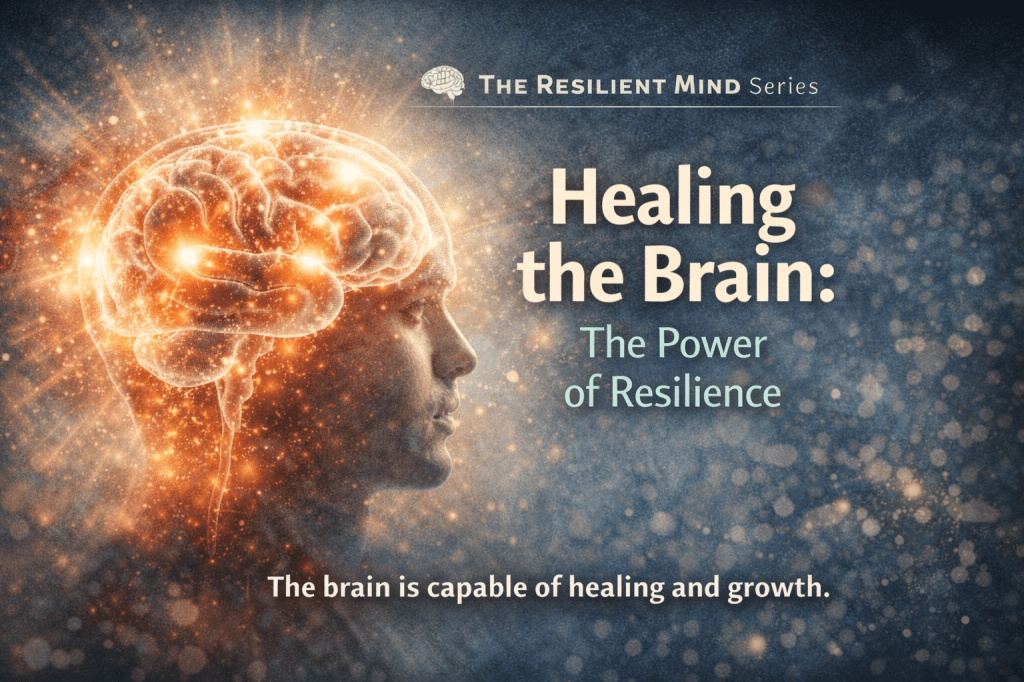
- Healing the Brain: The Power of Resilience
 The brain is incredibly resilient. Even after injury, it can adapt, rebuild connections, and continue healing over time. Recovery may involve therapy, support systems, and lifestyle changes. True resilience means continuing to grow and move forward, even while carrying experiences that have reshaped how we think and live.
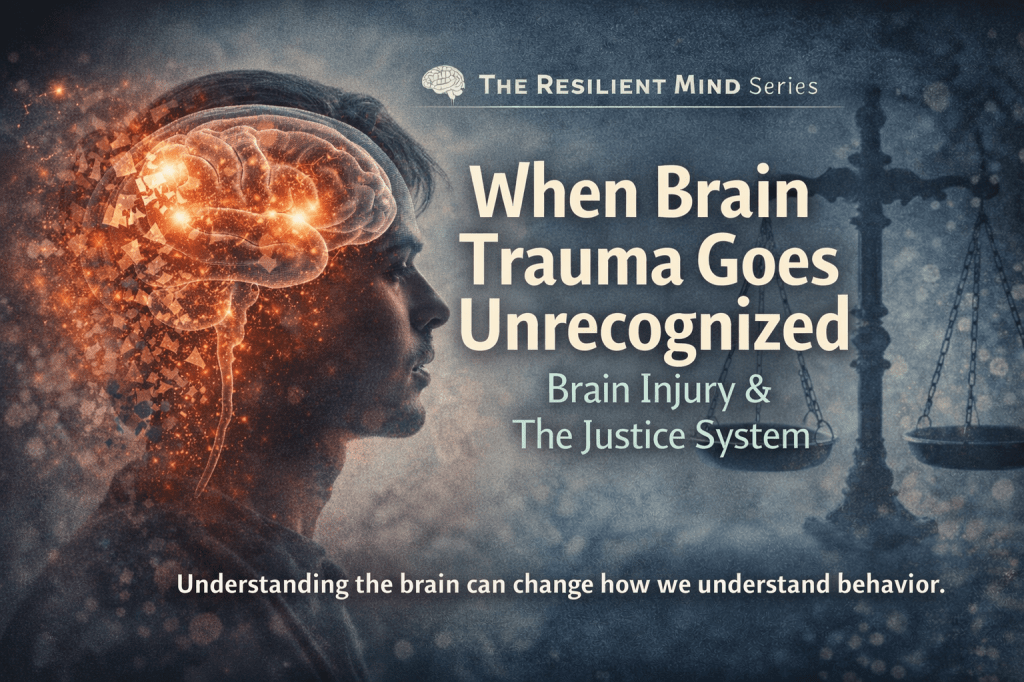
 - When Brain Trauma Goes Unrecognized
 When brain trauma goes unrecognized, people may struggle with impulse control, emotional regulation, and decision-making. These challenges can sometimes lead to misunderstandings or negative outcomes. Greater awareness of brain injuries helps communities and institutions respond with better understanding, support, and more informed approaches to human behavior.
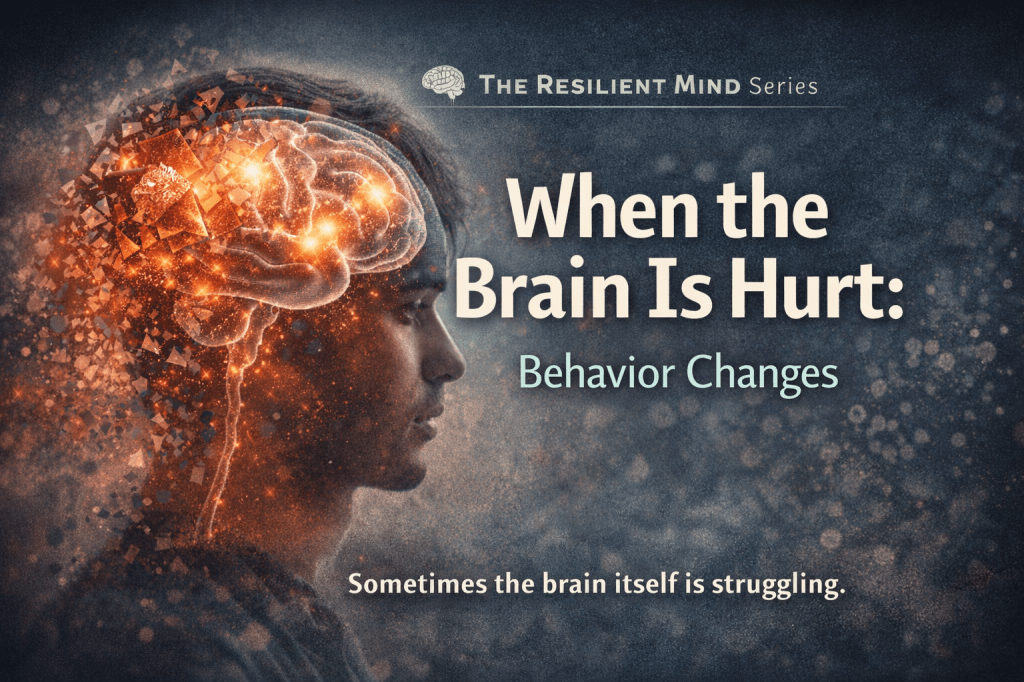
 - When the Brain Is Hurt, Behavior Changes
 Brain injuries can change how people think, react, and regulate their emotions. What looks like anger, distraction, or impulsiveness may actually be the brain struggling to function normally. Understanding the connection between brain health and behavior helps us approach challenges with empathy, awareness, and patience.
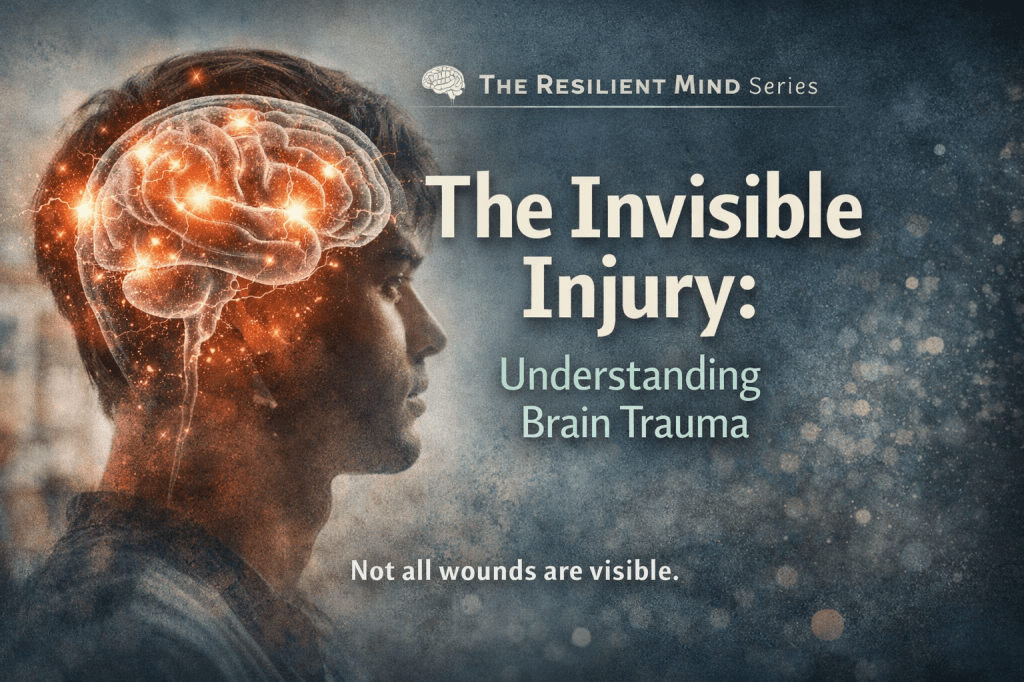
 - The Invisible Injury: Understanding Brain Trauma
 Many injuries are easy to see, but brain trauma often remains invisible. During Brain Injury Awareness Month, we explore how traumatic brain injuries affect the mind, behavior, and daily life. Understanding brain health is an important step toward compassion, awareness, and resilience in ourselves and in the people around us.
 - The Whale as a Classroom
 We fill our lives with noise, distractions, work, conversations, entertainment—anything that keeps us from sitting still long enough to hear what’s actually happening inside us.



 The Resilient Mind
Leave a comment