
In the pursuit of economic independence and personal wealth, it is essential to embrace the principles of free enterprise, develop a strong mindset, build valuable relationships, cultivate an entrepreneurial spirit, and recognize the significance of spiritual capital. In his influential book, “The Memo,” John Hope Bryant presents five fundamental rules that can empower individuals on their path to economic prosperity. In this post, I layout the 5 rules and why they are important, while answering some thought-provoking questions related to these rules.
I. Rule 1: Embrace the Free Enterprise System Free enterprise is the backbone of our economic system, promoting competition, innovation, and opportunity. It allows individuals to participate by starting their own businesses, investing, and pursuing entrepreneurial endeavors. To participate in the free enterprise system, individuals can explore opportunities to create and provide value to others, identify market gaps, and leverage their unique skills and talents to build successful enterprises.
Question 1: What is free enterprise and how can we participate?
II. Rule 2: The Power of Mindset in Wealth Creation Our mindset plays a critical role in our relationship with money and wealth. A positive and empowered mindset enables us to see opportunities where others see obstacles, take calculated risks, and persevere in the face of challenges. Conversely, a negative mindset can limit our potential and hinder our ability to achieve financial independence. By cultivating a mindset of abundance, gratitude, and continuous learning, we can attract wealth and create a prosperous future.
Question 2: How important is mindset in relation to your relationship with money?
III. Rule 3: Building Relationship Capital The quality of our relationships directly impacts our economic well-being. Building relationship capital involves nurturing meaningful connections, networking, and fostering mutually beneficial partnerships. By valuing and investing in our relationships, we create a network of support, collaboration, and opportunity. Strong relationships can open doors, lead to mentorship, and provide access to valuable resources and knowledge.
Question 3: Is networking a good way to build relationship capital, why or why not?
IV. Rule 4: Transitioning from Job to Entrepreneurship While a traditional job provides stability and income, transitioning into entrepreneurship offers the potential for greater financial freedom and autonomy. To leverage your job towards entrepreneurship, it is crucial to identify your skills, interests, and passions. Seek out opportunities within your current job to develop relevant expertise, build a network, and save financial resources to fuel your entrepreneurial endeavors. Additionally, you can start a side business while still working to test your ideas and gain valuable experience.
Question 4: How can you use your job to help you transition into being a full-time entrepreneur?
V. Rule 5: Spiritual Capital and True Wealth Spiritual capital encompasses the intangible values, principles, and purpose that guide our lives. It goes beyond material wealth and emphasizes personal growth, integrity, and making a positive impact on the world. By aligning our actions with our core values and purpose, we can achieve a sense of fulfillment and long-lasting wealth. Spiritual capital encourages self-reflection, self-awareness, and the pursuit of a purpose-driven life.
Question 5: Why is spiritual capital important for wealth building?
Conclusion: In summary, John Hope Bryant’s five rules for economic independence provide a comprehensive framework for personal and financial growth. Embracing the principles of free enterprise, cultivating a powerful mindset, building relationship capital, transitioning into entrepreneurship, and recognizing the significance of spiritual capital can pave the way to wealth and prosperity. By following these rules, individuals can take control of their economic future and unlock their full potential.


To further explore the principles discussed in “The Memo” by John Hope Bryant, I recommend listening to the audiobook through Amazon’s Audible app. With a free subscription to Audible, you can access a vast library of audiobooks, including “The Memo.” Click here to start your free Audible trial and delve into the transformative insights shared by John Hope Bryant:
Remember, economic independence begins with knowledge and action. Start your journey today and empower yourself with the wisdom and strategies presented in “The Memo.”
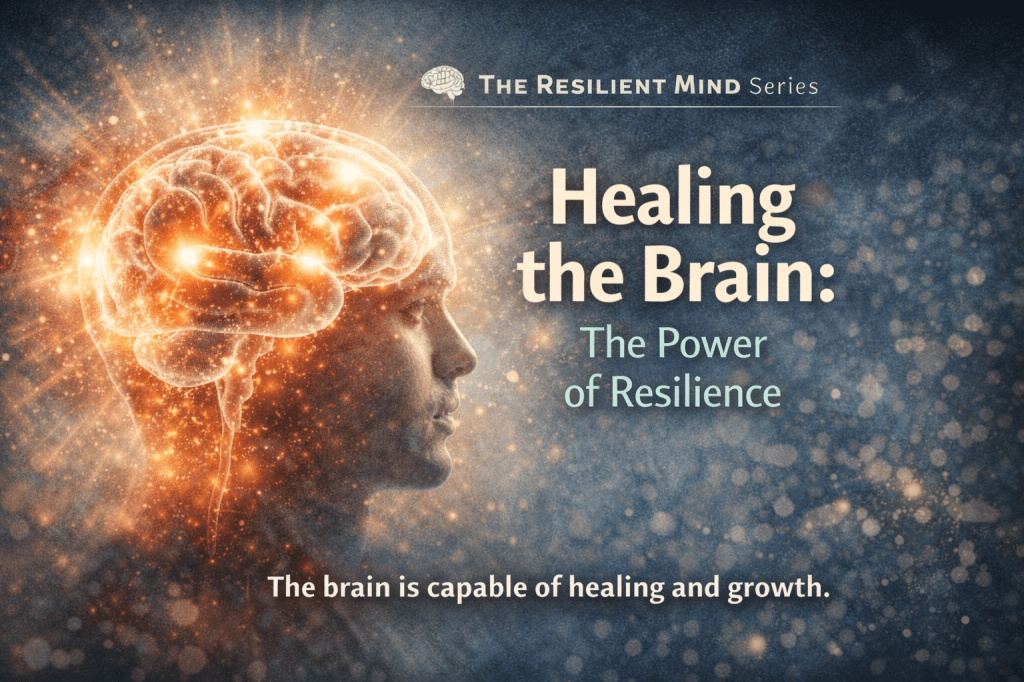
- Healing the Brain: The Power of Resilience
 The brain is incredibly resilient. Even after injury, it can adapt, rebuild connections, and continue healing over time. Recovery may involve therapy, support systems, and lifestyle changes. True resilience means continuing to grow and move forward, even while carrying experiences that have reshaped how we think and live.
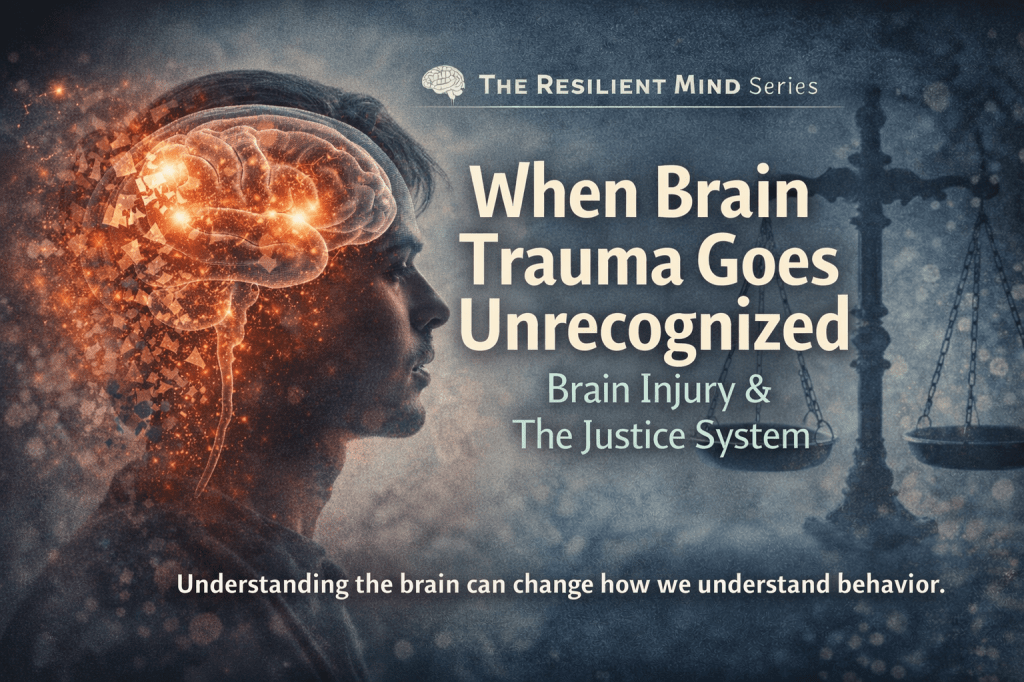
 - When Brain Trauma Goes Unrecognized
 When brain trauma goes unrecognized, people may struggle with impulse control, emotional regulation, and decision-making. These challenges can sometimes lead to misunderstandings or negative outcomes. Greater awareness of brain injuries helps communities and institutions respond with better understanding, support, and more informed approaches to human behavior.
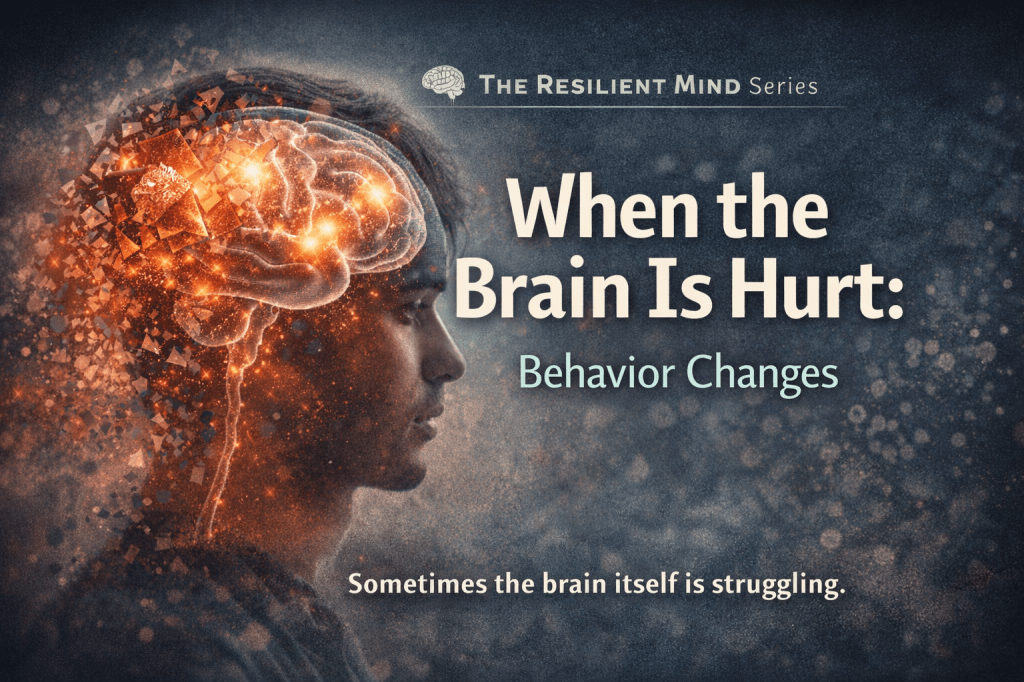
 - When the Brain Is Hurt, Behavior Changes
 Brain injuries can change how people think, react, and regulate their emotions. What looks like anger, distraction, or impulsiveness may actually be the brain struggling to function normally. Understanding the connection between brain health and behavior helps us approach challenges with empathy, awareness, and patience.
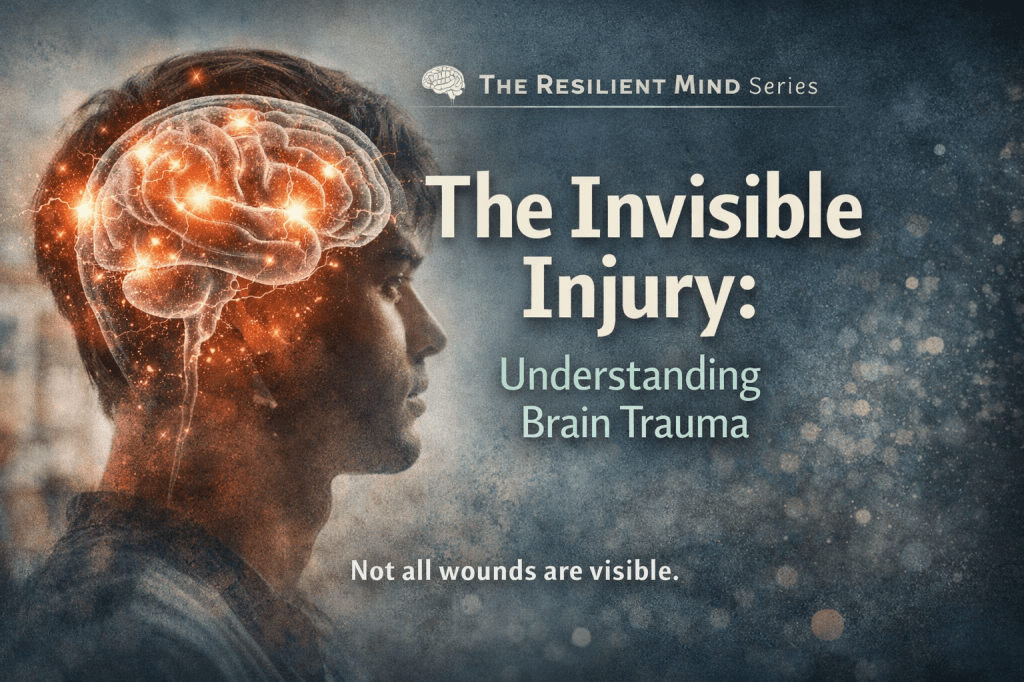
 - The Invisible Injury: Understanding Brain Trauma
 Many injuries are easy to see, but brain trauma often remains invisible. During Brain Injury Awareness Month, we explore how traumatic brain injuries affect the mind, behavior, and daily life. Understanding brain health is an important step toward compassion, awareness, and resilience in ourselves and in the people around us.
 - The Whale as a Classroom
 We fill our lives with noise, distractions, work, conversations, entertainment—anything that keeps us from sitting still long enough to hear what’s actually happening inside us.
Disclaimer: As an Amazon Associate, I earn from qualifying purchases.



 The Resilient Mind
Leave a comment