Unlocking Economic Success and Prosperity Through Financial Literacy and Planning
Black men have the power to change their financial futures for the better! By placing a strong emphasis on financial literacy and planning, they can lay the groundwork for long-term economic security. Through gaining a comprehensive understanding of personal finance, including crucial aspects like budgeting, saving, and investing, individuals can make informed decisions that will pave the way for wealth creation. Equipping oneself with financial knowledge and seeking professional advice can empower black men to make strategic choices, maximize opportunities, and effectively safeguard against any unexpected setbacks that may arise. Embracing this optimistic approach to financial well-being will undoubtedly lead to a brighter future filled with economic success and prosperity.
How can black men access the necessary resources and support systems to improve their financial literacy and planning abilities, considering the potential barriers they may face?
To help black men access the necessary resources and support systems to enhance their financial literacy and planning abilities, it is important to address the potential barriers they may face. Here are some strategies:
1. Education and Awareness:
Promote financial literacy education and workshops specifically tailored to the black community, addressing barriers and unique challenges.
Collaborate with community organizations and institutions to organize seminars, webinars, and conferences that focus on financial planning and literacy for black men.
Utilize social media platforms and other digital resources to disseminate valuable information and resources tailored to black men’s financial needs.
2. Mentorship and Role Models:
Establish mentorship programs where successful black men in finance, business, or related fields can guide and support others.
Encourage successful black men to share their personal finance journeys, challenges they faced, and lessons learned to inspire others. Platforms like TED talks, podcasts, and written profiles can help amplify their voices and experiences.
3. Accessible Financial Resources:
Enhance access to affordable financial services, such as banking, credit unions, and community development financial institutions (CDFIs), which may be more responsive to the needs of black communities.
Collaborate with local banks and financial service providers to develop tailored products and services that address the unique financial needs of black men.
Leverage technology to provide accessible financial resources and tools, such as budgeting apps, investment platforms, and online courses, making them available on smartphones and other devices.
4. Targeted Support Programs:
Advocate for targeted programs and policies that address systemic barriers faced by black men, such as discriminatory lending practices, limited access to loans, and affordable housing.
Collaborate with employers, community organizations, and government agencies to develop initiatives that prioritize financial education, planning, and support for black men.
Establish support groups or financial empowerment networks where black men can share experiences, strategies, and resources to enhance each other’s financial knowledge and decision-making abilities.
5. Culturally Relevant Content:
Develop culturally relevant financial literacy resources, including books, videos, podcasts, and online platforms that specifically address black men’s financial challenges.
Collaborate with financial experts, influencers, and content creators from the black community to produce content that resonates and aligns with their experiences and culture.
Engage with black-owned financial institutions and professionals who can provide services and advice tailored to the specific needs and goals of black men.
Overall, addressing the barriers to financial literacy and planning for black men requires a multi-faceted approach involving education, mentorship, accessible resources, targeted programs, and culturally relevant content. By implementing these strategies, we can create a more supportive and inclusive environment for black men to improve their financial literacy and plan for a stronger future.
- Healing the Brain: The Power of Resilience
 The brain is incredibly resilient. Even after injury, it can adapt, rebuild connections, and continue healing over time. Recovery may involve therapy, support systems, and lifestyle changes. True resilience means continuing to grow and move forward, even while carrying experiences that have reshaped how we think and live.
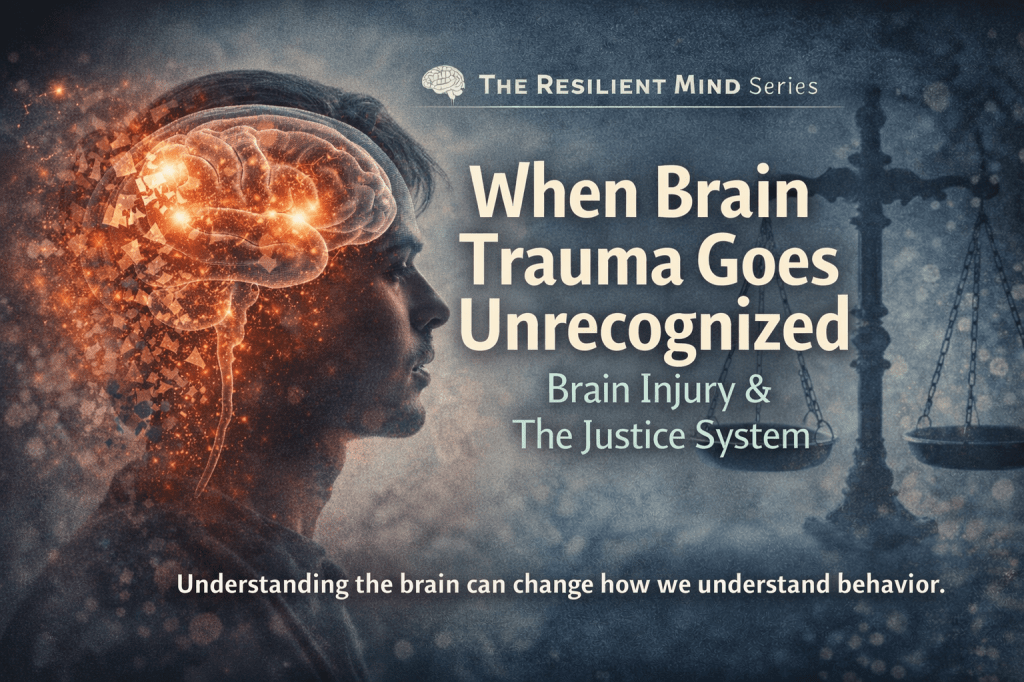
 - When Brain Trauma Goes Unrecognized
 When brain trauma goes unrecognized, people may struggle with impulse control, emotional regulation, and decision-making. These challenges can sometimes lead to misunderstandings or negative outcomes. Greater awareness of brain injuries helps communities and institutions respond with better understanding, support, and more informed approaches to human behavior.
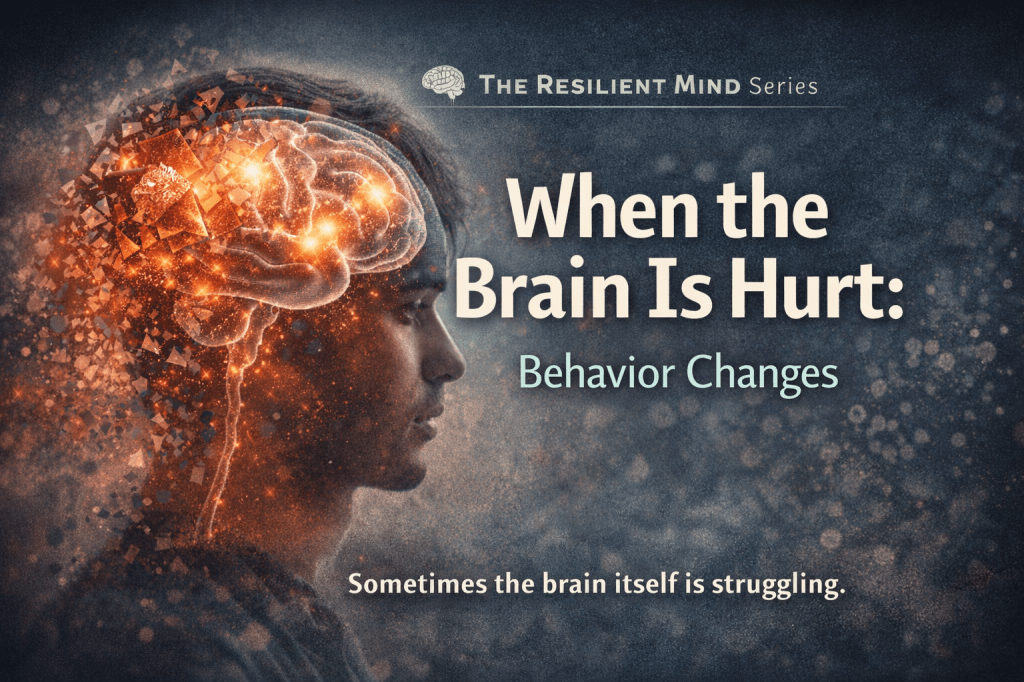
 - When the Brain Is Hurt, Behavior Changes
 Brain injuries can change how people think, react, and regulate their emotions. What looks like anger, distraction, or impulsiveness may actually be the brain struggling to function normally. Understanding the connection between brain health and behavior helps us approach challenges with empathy, awareness, and patience.
 - The Invisible Injury: Understanding Brain Trauma
 Many injuries are easy to see, but brain trauma often remains invisible. During Brain Injury Awareness Month, we explore how traumatic brain injuries affect the mind, behavior, and daily life. Understanding brain health is an important step toward compassion, awareness, and resilience in ourselves and in the people around us.
 - The Whale as a Classroom
 We fill our lives with noise, distractions, work, conversations, entertainment—anything that keeps us from sitting still long enough to hear what’s actually happening inside us.





 The Resilient Mind
Leave a comment