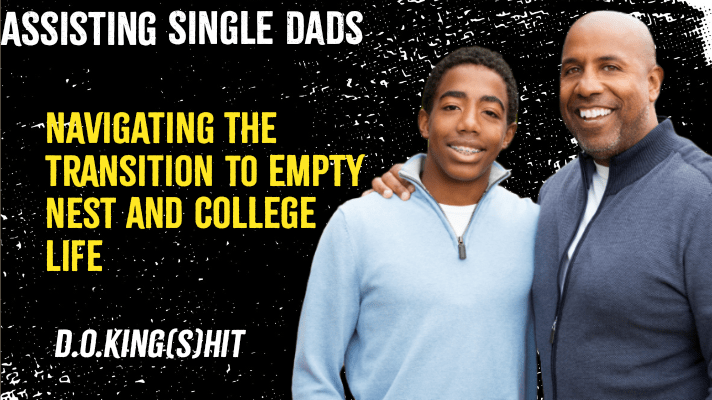
We have absolutely loved assisting numerous single dads with their moving needs recently. Many of these incredible fathers are going through a period of downsizing as their children embark on the exciting journey of college life. As we support these dads during this significant transition, we believe it’s crucial to explore how they can actively help their kids adjust to living independently outside the comfort of home. Additionally, as empty nesters, we want to encourage dads to discover new hobbies and activities to make the most of this unique phase in their lives.
Empowering your children to thrive outside the nest is an incredible gift you can offer as a dad. Here are some meaningful ways you can assist them during their transition into an independent life:
1. Foster open communication: Maintain regular contact with your kids but encourage them to solve their own problems. Offer advice when needed but ensure they gain confidence in making decisions independently.
2. Teach essential life skills: Share valuable practical knowledge like basic cooking, laundry, budgeting, and personal finance skills. Equipping your children with these abilities will boost their self-sufficiency and ease their transition.
3. Provide emotional support: Moving away from home can be emotionally challenging. Be there for your kids, lend a listening ear, and offer guidance when they feel homesick or overwhelmed. Encouraging them to build a support network in their new surroundings is also essential.
4. Encourage involvement: Encourage your children to engage in campus activities, clubs, and organizations. Involvement in extracurriculars fosters personal growth, builds friendships, and creates a sense of belonging.
Upon becoming an empty nester, dads may find themselves with newfound time and space. Embrace this exciting chapter by exploring various hobbies and interests that bring fulfillment and enjoyment. Here are some ideas to get you started:
1. Rediscover old passions: Revisit activities you loved in the past but didn’t have enough time for. Whether it’s playing a musical instrument, painting, gardening, or writing, reconnecting with these hobbies can bring immense joy.
2. Engage in physical fitness: Stay active by taking up activities like cycling, swimming, hiking, or joining a local sports club. Exercising not only improves physical health but also boosts mood and energy levels.
3. Volunteer and give back: Dedicate your time to volunteer work or community initiatives. Get involved in organizations that align with your values, supporting causes you’re passionate about. Making a positive impact will provide a sense of purpose and fulfillment.
4. Explore new interests: Venture into uncharted territories by learning something entirely new. Enroll in a cooking class, try photography, take up woodworking, or learn a foreign language. The possibilities are endless!
Remember, this transition period is an opportunity for personal growth and self-discovery. Embrace it as a chance to explore your own dreams, passions, and aspirations. Cherish the memories you created as a hands-on dad, and now, with your children embarking on their own adventures, nurture your own journey towards a fulfilling and exciting future. Your dedication and love have laid the foundation for their success, and now it’s time for you to seize the incredible opportunities that lie ahead, one step at a time.
Happy parenting and happy empty nesting!

- Healing the Brain: The Power of Resilience
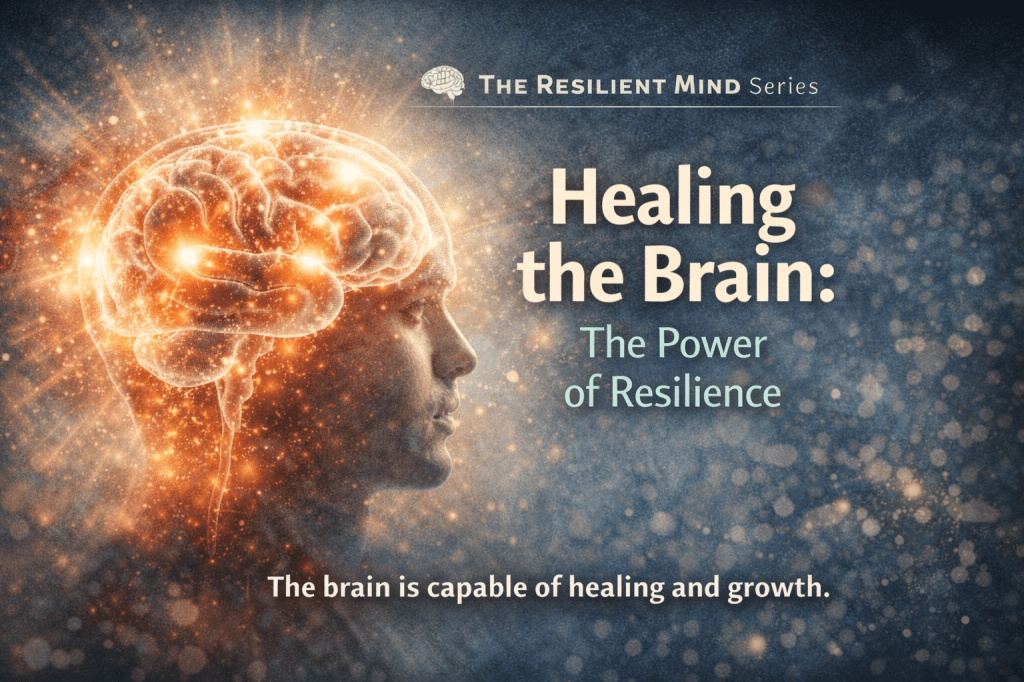
 The brain is incredibly resilient. Even after injury, it can adapt, rebuild connections, and continue healing over time. Recovery may involve therapy, support systems, and lifestyle changes. True resilience means continuing to grow and move forward, even while carrying experiences that have reshaped how we think and live.
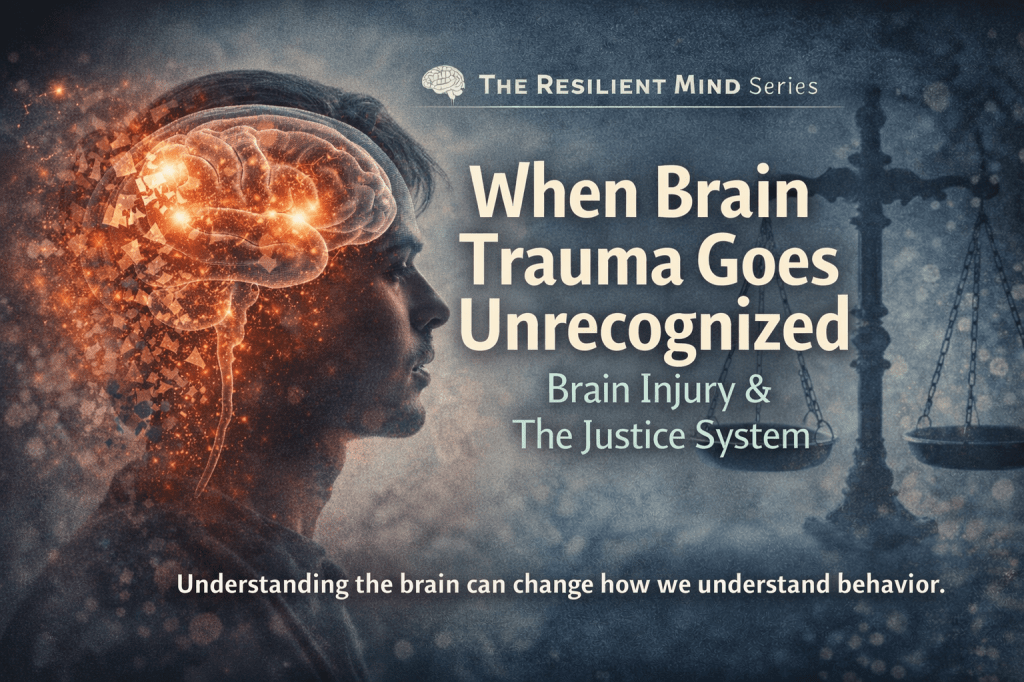
 - When Brain Trauma Goes Unrecognized
 When brain trauma goes unrecognized, people may struggle with impulse control, emotional regulation, and decision-making. These challenges can sometimes lead to misunderstandings or negative outcomes. Greater awareness of brain injuries helps communities and institutions respond with better understanding, support, and more informed approaches to human behavior.
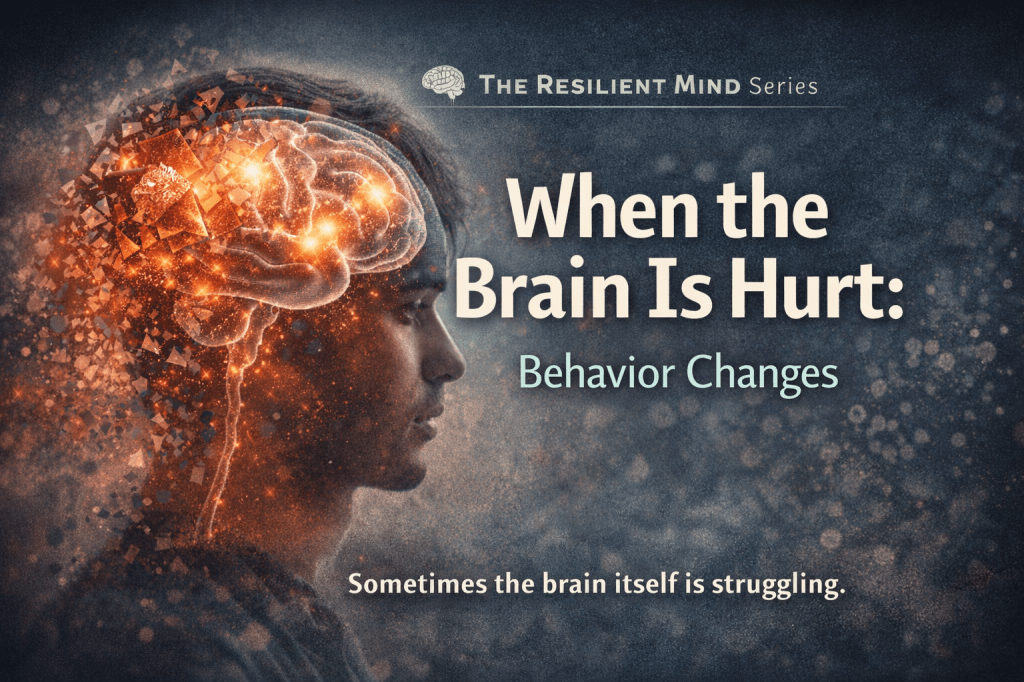
 - When the Brain Is Hurt, Behavior Changes
 Brain injuries can change how people think, react, and regulate their emotions. What looks like anger, distraction, or impulsiveness may actually be the brain struggling to function normally. Understanding the connection between brain health and behavior helps us approach challenges with empathy, awareness, and patience.
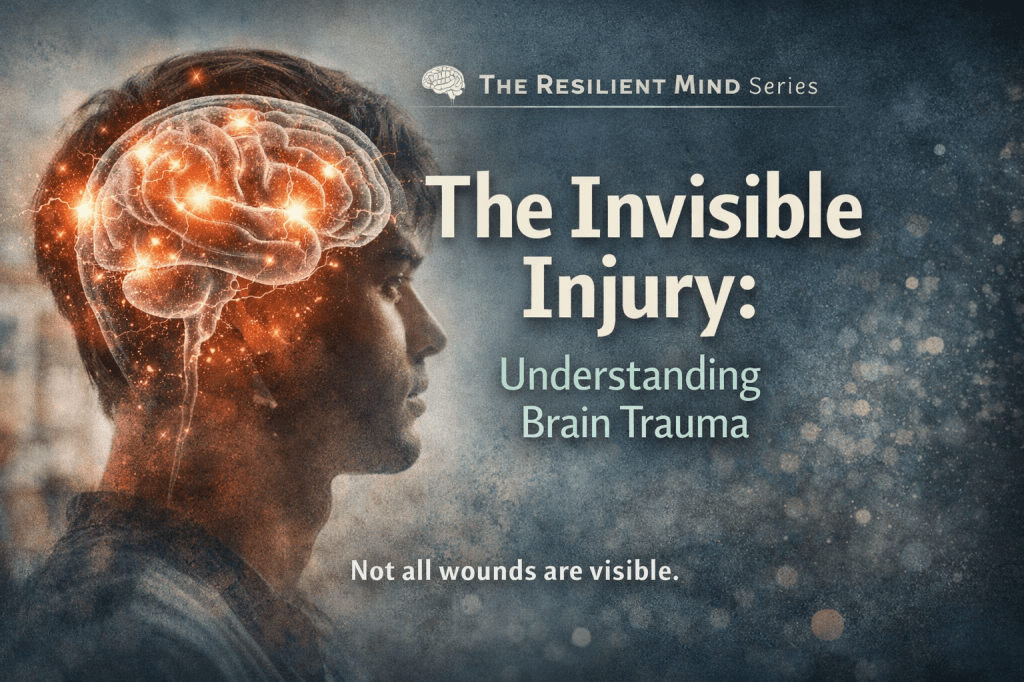
 - The Invisible Injury: Understanding Brain Trauma
 Many injuries are easy to see, but brain trauma often remains invisible. During Brain Injury Awareness Month, we explore how traumatic brain injuries affect the mind, behavior, and daily life. Understanding brain health is an important step toward compassion, awareness, and resilience in ourselves and in the people around us.
 - The Whale as a Classroom
 We fill our lives with noise, distractions, work, conversations, entertainment—anything that keeps us from sitting still long enough to hear what’s actually happening inside us.



 The Resilient Mind
Leave a comment