
Is money the root of all evil? Or is it the lack of money that breeds evil thoughts and actions? These are questions that often go unexplored in our society, as we tend to view money as the ultimate solution to all our problems. However, upon closer examination, it becomes evident that the relationship between money and evil is far more complex than we initially perceive.
In a world driven by consumerism and insatiable desires, it is easy to fall into the trap of believing that money can buy happiness and fulfillment. We constantly compare ourselves to others, especially on social media platforms, and feel a deep sense of worthlessness when we lack the material possessions that seemingly define success. Our thoughts become consumed with envy, frustration, and greed, all driven by the lack of money. These negative emotions can lead us down a dark path, causing us to engage in self-destructive behaviors such as addiction or self-medication.
However, it is important to note that money itself is not inherently evil. It is a neutral tool that can be used for both good and evil purposes. The key lies in how we choose to utilize it. Some individuals become depressed and succumb to their addictions, using money as a means to escape their problems. Others, however, take a different approach and become proactive in finding solutions to their financial predicaments.
When faced with financial challenges, it is crucial to adopt an active mindset and free ourselves from negative thinking patterns. Yes, the reality of being financially strapped is undoubtedly daunting, but dwelling on these thoughts will only further perpetuate our struggles. We need to consciously shift our focus towards finding solutions and taking action.
Developing a routine can be immensely helpful in this regard. Starting the day with positive habits, such as listening to motivational podcasts or going for a morning walk, can set the tone for a productive and proactive mindset. It is essential to distance ourselves from social media platforms that constantly remind us of what we lack, as they can foster feelings of inadequacy and fuel our negative thoughts.
Creating goals and formulating a plan are also pivotal steps in overcoming financial stress. Often, the lack of emergency funds is directly tied to poor credit management and a sole focus on meeting basic needs. By examining our credit report and assessing our financial standing, we can gain clarity on the steps required to relieve our financial burdens. Accountability is crucial in this process, as we must confront any past mistakes and commit ourselves to a more responsible financial future.
Saving money is another crucial aspect of overcoming financial struggles. We must resist the temptation to spend every dime and instead develop the discipline to say no when unnecessary expenses arise. This requires acknowledging our innate desire to help others, even when it is not financially viable. Saving money is not a burden, but rather an investment in our future financial security.
Lastly, it is vital to invest in ourselves beyond the realm of bills and savings. Finding activities or pursuits that bring personal fulfillment and happiness is essential for maintaining a positive mindset. This could be joining a gym, seeking the guidance of a life coach, or exploring new hobbies that have the potential to supplement our income. By realizing our self-worth and prioritizing personal growth, we can break free from the negative thoughts and feelings associated with financial struggles.
In conclusion, money itself is not inherently evil. It is our thoughts, actions, and perceptions that determine whether money becomes a catalyst for evil or a tool for positive change. The lack of money can undoubtedly generate feelings of worthlessness and breed negative thoughts, but through a shift in mindset and proactive behavior, we can break free from these chains. By getting active mentally, developing a routine, setting goals, saving money, and investing in ourselves, we can overcome the root causes of evil thoughts and pave the way for a brighter and more financially secure future.

Want to Read More but You’re Always on the Go?
Plug into an audiobook from Audible!

Have you ever thought about being the owner of your own moving company?
Here are 3 things you should do:
- Start small and gain valuable industry experience and insights
- Build your customer base and establish long standing relationships
- Develop a brand and create social proof to gain trust in the community
Remember, owning your own moving company is not an overnight success story. It requires hard work, perseverance, and a commitment to continuous improvement.
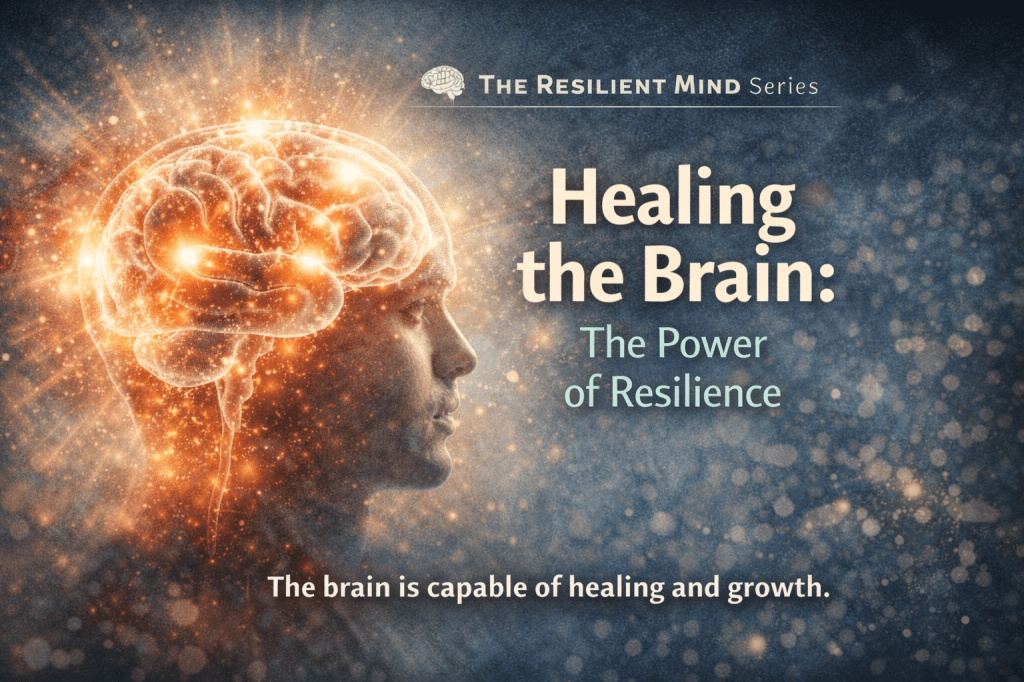
- Healing the Brain: The Power of Resilience
 The brain is incredibly resilient. Even after injury, it can adapt, rebuild connections, and continue healing over time. Recovery may involve therapy, support systems, and lifestyle changes. True resilience means continuing to grow and move forward, even while carrying experiences that have reshaped how we think and live.
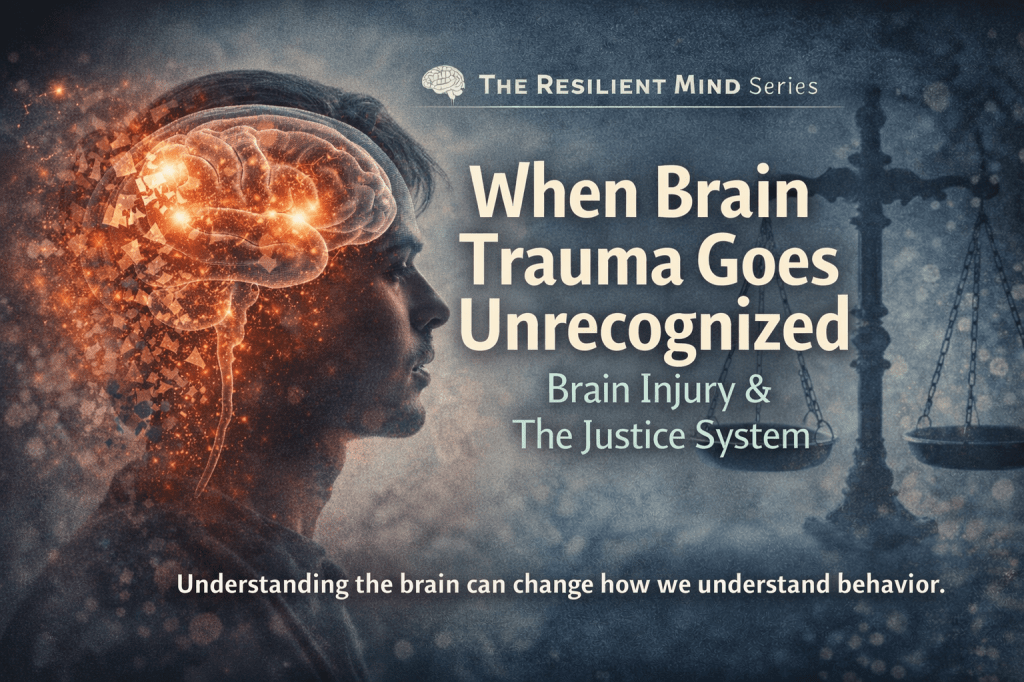
 - When Brain Trauma Goes Unrecognized
 When brain trauma goes unrecognized, people may struggle with impulse control, emotional regulation, and decision-making. These challenges can sometimes lead to misunderstandings or negative outcomes. Greater awareness of brain injuries helps communities and institutions respond with better understanding, support, and more informed approaches to human behavior.
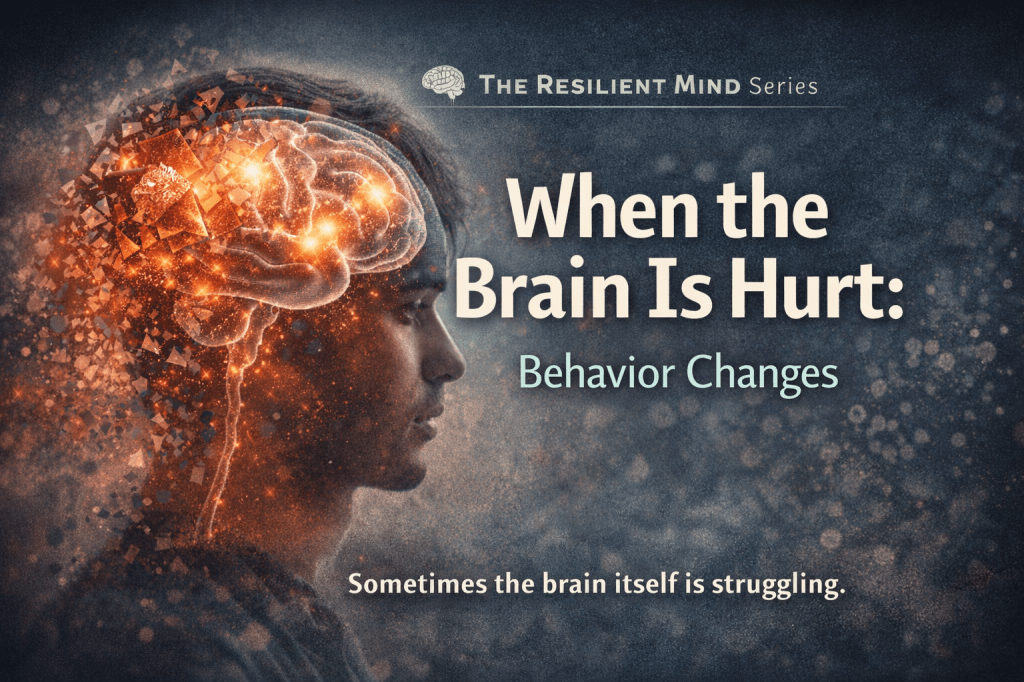
 - When the Brain Is Hurt, Behavior Changes
 Brain injuries can change how people think, react, and regulate their emotions. What looks like anger, distraction, or impulsiveness may actually be the brain struggling to function normally. Understanding the connection between brain health and behavior helps us approach challenges with empathy, awareness, and patience.
 - The Invisible Injury: Understanding Brain Trauma
 Many injuries are easy to see, but brain trauma often remains invisible. During Brain Injury Awareness Month, we explore how traumatic brain injuries affect the mind, behavior, and daily life. Understanding brain health is an important step toward compassion, awareness, and resilience in ourselves and in the people around us.
 - The Whale as a Classroom
 We fill our lives with noise, distractions, work, conversations, entertainment—anything that keeps us from sitting still long enough to hear what’s actually happening inside us.




 The Resilient Mind
Leave a comment