
I don’t know about you, so I’ll only speak for myself when I say, “I hate paying bills.” The sight of money in my bank account brings me a certain level of joy and security. I have a peculiar habit where I accumulate countless pictures on my phone, fearing that I might need them one day, even though I know it’s time to delete a few to make room for more.
Yes, that mirrors my behavior with money.
However, this mindset poses a problem in the long run. As I sit and watch the money accumulate, it somehow dissipates gradually without any savings. By the time I realize it, it’s often too late to do anything about it except wait until the next paycheck. This erratic behavior has led me to question the true importance of cash in our lives.
Gone are the days where cash was considered the ultimate goal. Society has often glamourized the mantra of “cash over everything,” as if money is the sole determinant of one’s success and happiness. Yet, the game of financial stability is not primarily about cash; it revolves around generating positive cash flow to build and leverage our credit.
Paying bills on time is no longer a mundane and burdensome task. It is a valuable investment into our credit, which holds significant weight in today’s financial landscape. Each bill paid on time contributes to building a positive credit history, showcasing our responsibility and reliability as borrowers. Strong credit opens doors to various opportunities, including lower interest rates, higher credit limits, and favourable loan terms. It empowers us to achieve our goals, whether it’s buying a dream home or starting a new business. Therefore, viewing bill payments as an investment in our credit is a paradigm shift that can transform our financial well-being.
Moreover, paying bills promptly demonstrates discipline, responsibility, and commitment to financial obligations. It reflects financial maturity and is indicative of an individual who can manage their resources effectively. This consistency inspires confidence in lenders and financial institutions, leading to stronger trust and positive rapport in future endeavors.
While it may seem easier to succumb to the temptation of impulsive spending or the allure of instant gratification, it’s crucial to remember the long-term consequences of such actions. Paying bills punctually contributes to building a solid financial foundation, essential for navigating life’s uncertainties and achieving our desired goals.
In conclusion, instead of dreading bill payments, let us embrace them as opportunities to invest in our financial stability. By recognizing the value of paying bills on time, we can nurture a positive credit history and unlock doors to a plethora of financial possibilities.
Reframing our perspective allows us to see that the game is not solely about accumulating cash, but about generating positive cash flow to bolster our credit. Each timely payment becomes an investment that paves the way for a brighter financial future. So, let us approach bill payments with a different outlook – one that is encouraging, knowing that each paymenht brings us closer to our goals and dreams.

Boost Your Cash Flow Wisdom: Unleash Your Financial Potential with Amazon’s Audible Free Trial!
Honoring Men Doing King Shit!

If you’re ready to show the world that you’re a force to be reckoned with, the District Soft-Touch “DO King Shit” T-Shirt is the perfect fit for you. Order yours today and start Doing King Shit!

5 Ways to Turn Your Personal Cash Flow from Negative to Positive
1. Budget and Track Spending
The first essential step towards changing your cash flow is understanding where your money is going. Comprehensive budgeting will help you discover where you can save. It will distinguish between necessary expenses (rent, utilities, food) and discretionary spending (entertainment, dining out, luxury items). By maintaining a record of your personal expenses, you can be more discerning about non-essential spending and reduce it where possible.
2. Pay Off High-Interest Debt
Paying off high-interest debt should be a priority. It can eat a significant portion of your income over time. The faster you repay these debts (credit cards, personal loans, etc.), the more you’ll save in interest. It can be more beneficial to your cash flow to repay these debts than to earn interest on savings.
3. Increase Your Income
Focus on boosting your income. It could be either by negotiating a pay increase, working overtime, taking on freelance or part-time jobs, or turning a hobby into a side business. Developing other income streams is one of the most effective ways to improve your personal cash flow.
4. Automate Savings
Just as companies pay their bills before distributing profits, you should take care of your savings before covering your expenses. Automate a certain portion of your paycheck to go directly into savings. By treating savings as a non-negotiable expense, you ensure that you continually build wealth, even if it’s only a small amount initially.
5. Invest Wisely
Invest in assets that will generate positive cash flow. This could be stocks that pay dividends, rental real estate, peer-to-peer lending, or bonds. Investing involves risks, but with research and perhaps some professional guidance, you can manage those risks and develop streams of passive income that improve your cash flow.
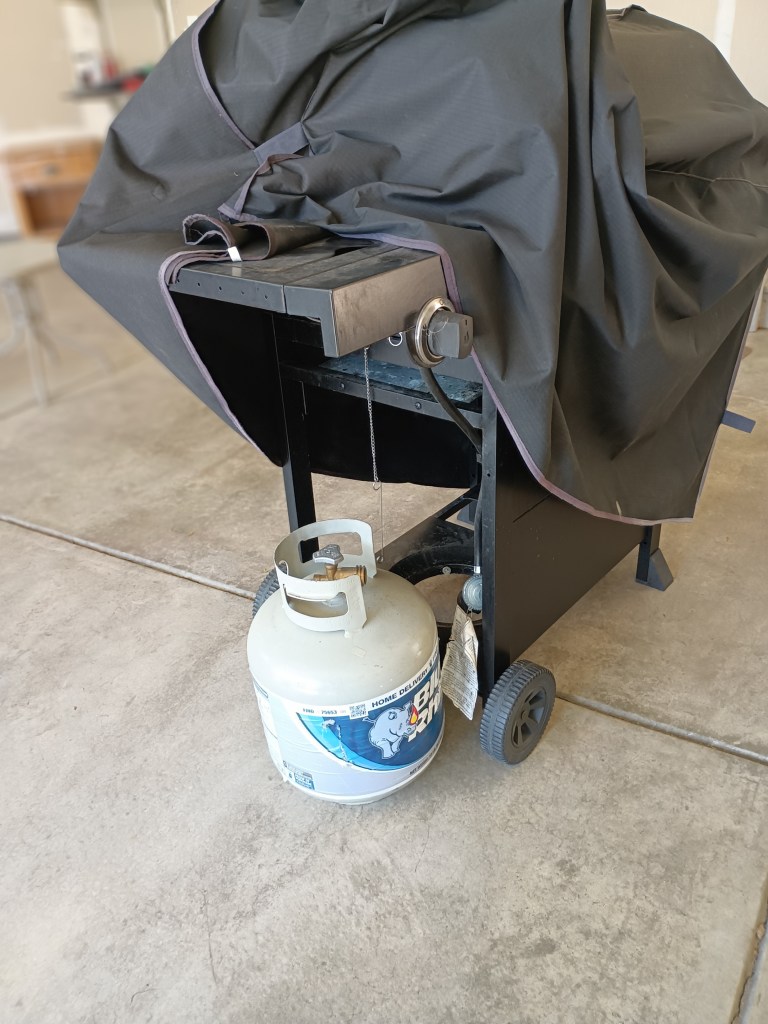
Protect Yourself with These Propane Storing Tips!
Hazardous Materials Movers Can’t Move & Advice for Safely Moving and Storing Propane Tanks!
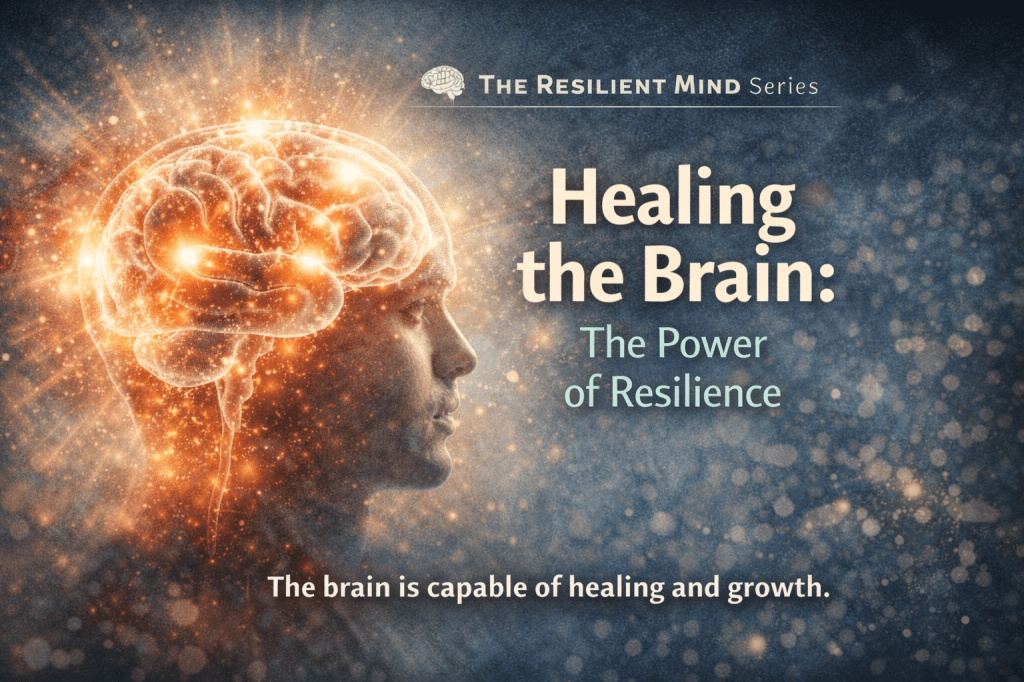
- Healing the Brain: The Power of Resilience
 The brain is incredibly resilient. Even after injury, it can adapt, rebuild connections, and continue healing over time. Recovery may involve therapy, support systems, and lifestyle changes. True resilience means continuing to grow and move forward, even while carrying experiences that have reshaped how we think and live.
 - When Brain Trauma Goes Unrecognized
 When brain trauma goes unrecognized, people may struggle with impulse control, emotional regulation, and decision-making. These challenges can sometimes lead to misunderstandings or negative outcomes. Greater awareness of brain injuries helps communities and institutions respond with better understanding, support, and more informed approaches to human behavior.
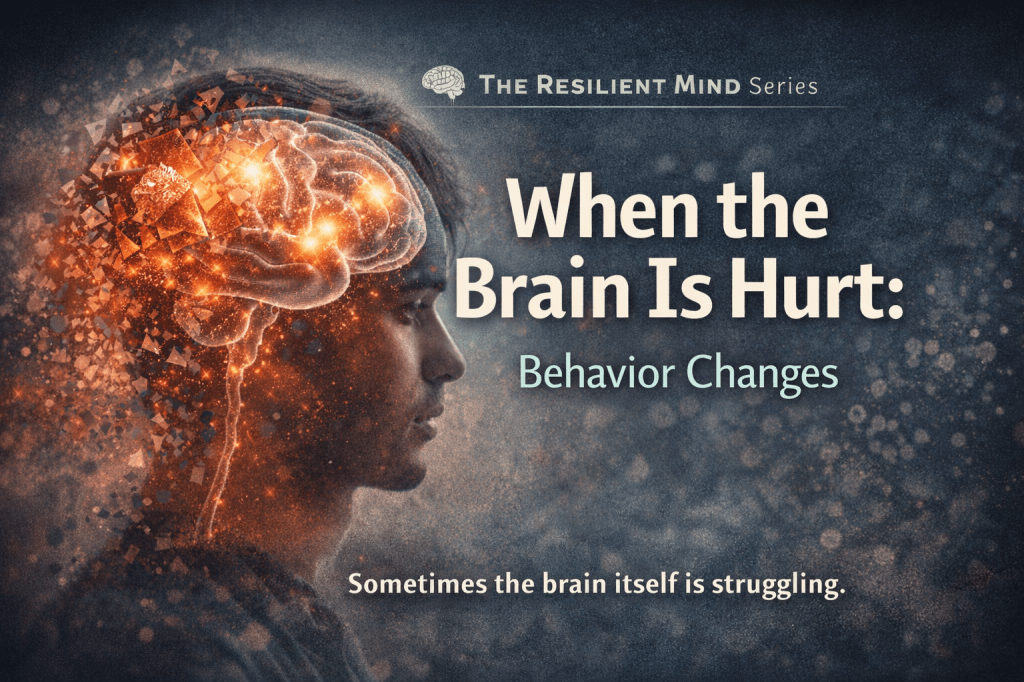
 - When the Brain Is Hurt, Behavior Changes
 Brain injuries can change how people think, react, and regulate their emotions. What looks like anger, distraction, or impulsiveness may actually be the brain struggling to function normally. Understanding the connection between brain health and behavior helps us approach challenges with empathy, awareness, and patience.





 The Resilient Mind
Leave a comment