
Prosperity, unlike mere profit, is a holistic state that encompasses not just material wealth, but also mental, emotional, and societal well-being. It’s about making lasting contributions that resonate beyond the confines of bank statements. While financial success is undoubtedly a part of this journey, it’s but a rung on the ladder to a richer, more fulfilling existence.
So, in what areas should men, especially black men facing unique challenges, seek to prosper? Let’s delve into some key domains that can shape a truly prosperous life:
1. **Education and Self-Improvement:** Prosperity begins with the mind. Seeking knowledge, acquiring skills, and fostering personal growth are vital steps. Education isn’t just about formal degrees; it’s about continuous learning that enhances your understanding of the world and your role in it.
2. **Mental and Emotional Well-being:** Prosperity entails a sense of balance and harmony within oneself. Addressing mental health and emotional well-being is not a sign of weakness but a testament to strength. By nurturing mental and emotional health, one can build a solid foundation for long-term prosperity.
3. **Community Engagement and Social Impact:** True prosperity extends to the community and society at large. Engaging with one’s community, addressing societal issues, and contributing positively can create a ripple effect of prosperity for others. This is particularly important for marginalized communities, where collective progress can lead to lasting change.
4. **Relationships and Family:** Building meaningful connections with loved ones is a cornerstone of prosperity. Prioritizing relationships and maintaining a healthy work-life balance are instrumental in achieving a well-rounded, fulfilling life.
5. **Passion and Purpose:** Prosperity is intertwined with pursuing what genuinely ignites your passion and aligns with your purpose. Finding meaningful work that resonates with your values can lead to both financial success and personal fulfillment.
Now, how can one utilize the profits from financial endeavors to achieve these dimensions of prosperity? Here’s a roadmap:
1. **Invest in Self:** Allocate resources to continuous education, skill development, and personal growth. This not only enhances your potential for financial growth but also enriches your inner world.
2. **Support Others:** Use your financial success to uplift others in your community. This could involve mentoring, offering scholarships, or funding initiatives that address societal challenges.
3. **Give Back:** Prosperity is about shared abundance. Contribute to philanthropic efforts that align with your values, thereby making a tangible impact on the causes you care about.
4. **Work-Life Integration:** Strike a balance between work and personal life. Use your financial means to create time for family, hobbies, and self-care, nurturing your overall well-being.
5. **Chase Passions:** Invest in endeavors that fuel your passions and align with your purpose. This could be the creative pursuit of making short videos about pop culture icons or engaging in other activities that bring you joy.
In the pursuit of prosperity, remember that it’s a dynamic and evolving journey. Financial success is a part of this journey, but it’s not the sole destination. By fostering holistic well-being, engaging with your community, and contributing positively to society, you can ascend to heights that go far beyond monetary gains. So, let’s reshape the narrative and recognize that prosperity is the true north guiding us toward a richer, more fulfilling life.
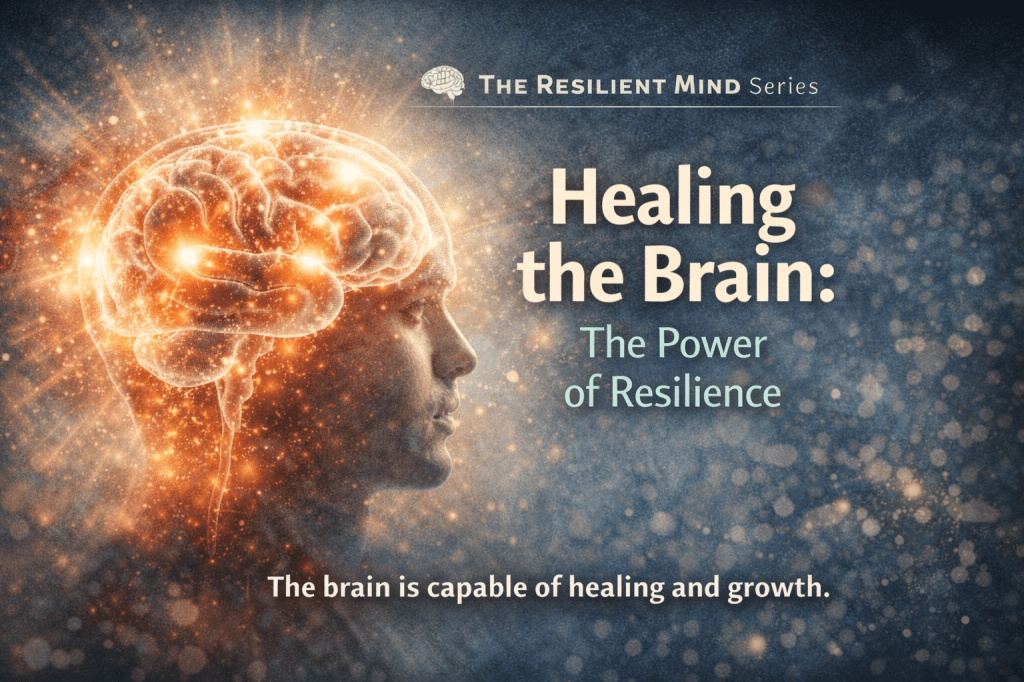
- Healing the Brain: The Power of Resilience
 The brain is incredibly resilient. Even after injury, it can adapt, rebuild connections, and continue healing over time. Recovery may involve therapy, support systems, and lifestyle changes. True resilience means continuing to grow and move forward, even while carrying experiences that have reshaped how we think and live.
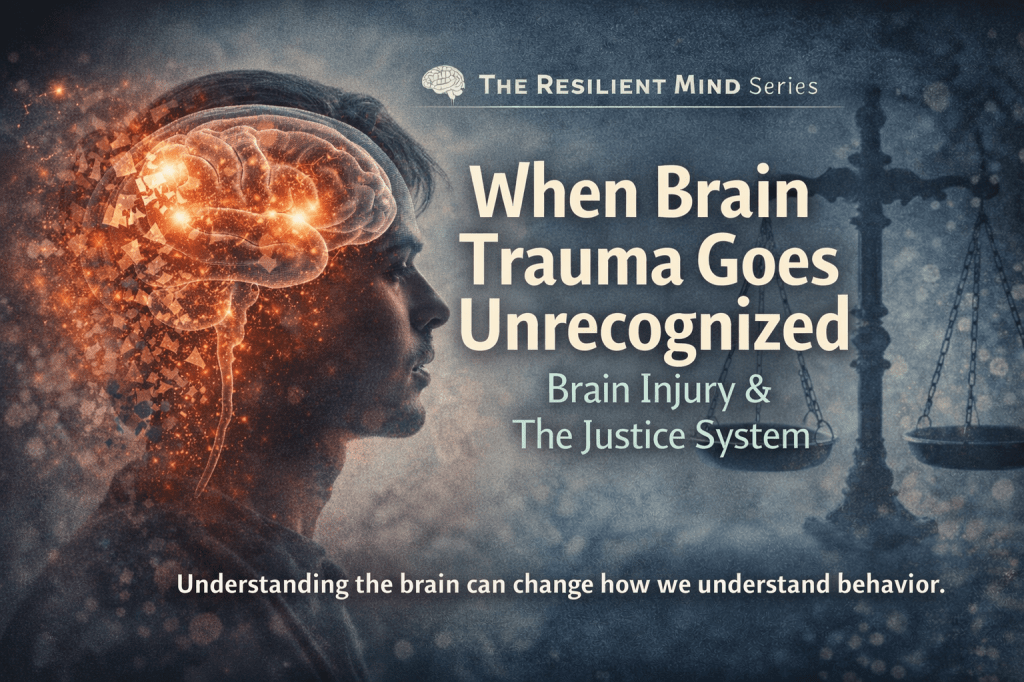
 - When Brain Trauma Goes Unrecognized
 When brain trauma goes unrecognized, people may struggle with impulse control, emotional regulation, and decision-making. These challenges can sometimes lead to misunderstandings or negative outcomes. Greater awareness of brain injuries helps communities and institutions respond with better understanding, support, and more informed approaches to human behavior.
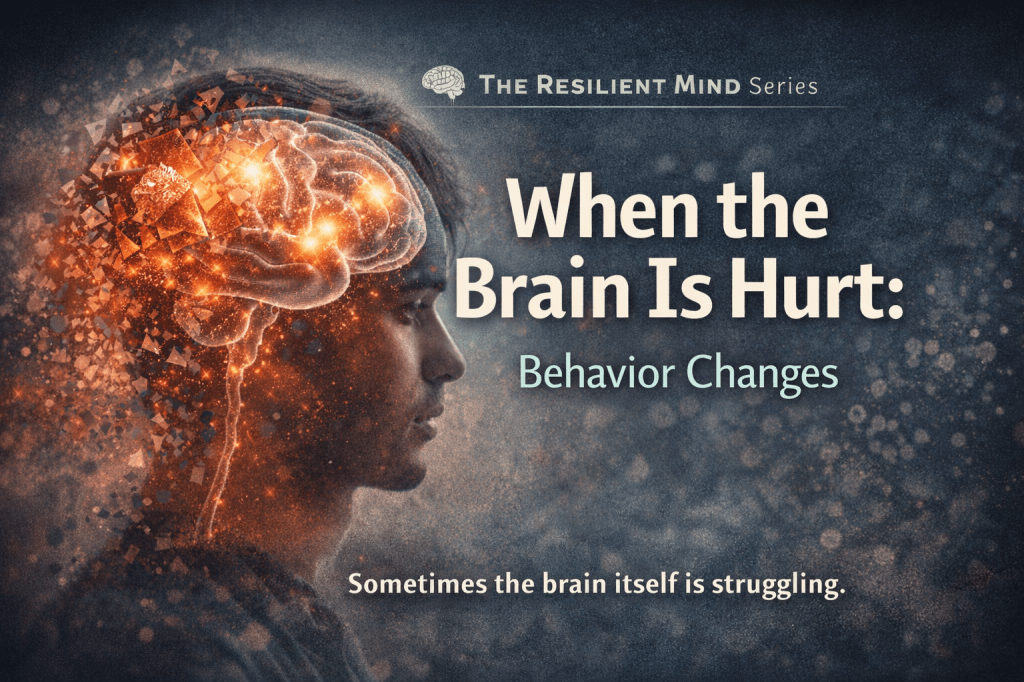
 - When the Brain Is Hurt, Behavior Changes
 Brain injuries can change how people think, react, and regulate their emotions. What looks like anger, distraction, or impulsiveness may actually be the brain struggling to function normally. Understanding the connection between brain health and behavior helps us approach challenges with empathy, awareness, and patience.
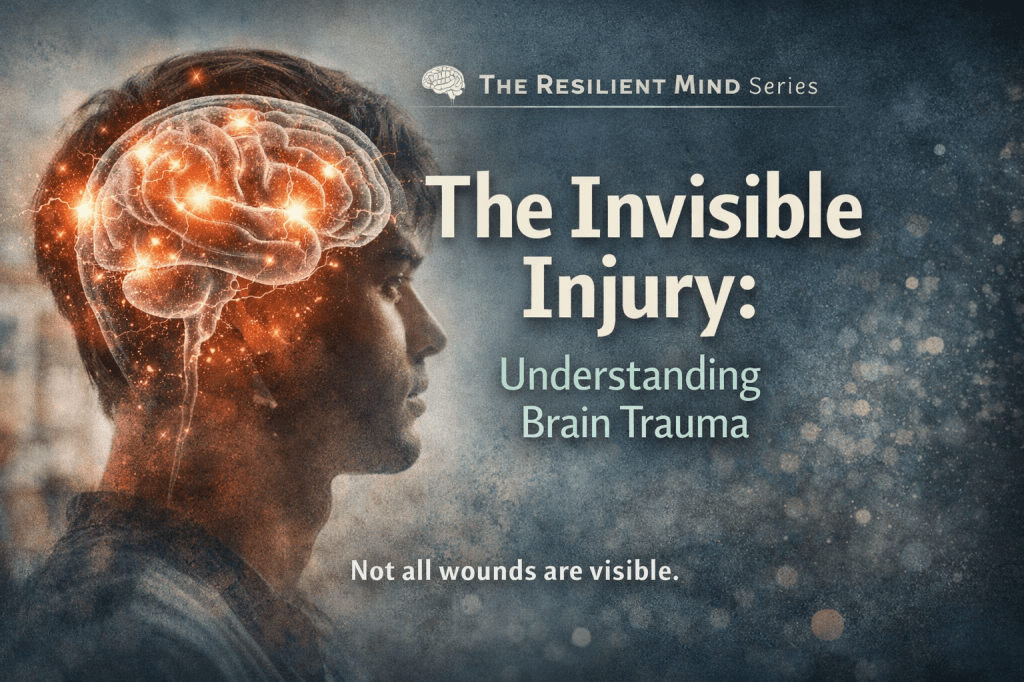
 - The Invisible Injury: Understanding Brain Trauma
 Many injuries are easy to see, but brain trauma often remains invisible. During Brain Injury Awareness Month, we explore how traumatic brain injuries affect the mind, behavior, and daily life. Understanding brain health is an important step toward compassion, awareness, and resilience in ourselves and in the people around us.
 - The Whale as a Classroom
 We fill our lives with noise, distractions, work, conversations, entertainment—anything that keeps us from sitting still long enough to hear what’s actually happening inside us.



 The Resilient Mind
Leave a comment