
Low testosterone, also known as hypogonadism, can affect men of all ages. Testosterone plays a vital role in various bodily functions, including muscle development, bone density, mood regulation, and sexual health. In this article, we will explore five common signs that may indicate low testosterone levels.
1. Decreased Energy and Fatigue:
One of the early signs of low testosterone is a significant decrease in energy levels and persistent fatigue. Men with low testosterone may feel exhausted throughout the day, even after getting adequate sleep. Tasks that were once easy to complete may now feel overwhelming. This lack of energy can negatively impact productivity and overall quality of life.
2. Changes in Mood:
Fluctuations in testosterone levels can have a direct effect on a person’s mood and emotional well-being. Men with low testosterone may experience increased irritability, mood swings, or feelings of depression. These changes can impact relationships, work performance, and overall mental health. It’s important to recognize these signs and seek medical advice if necessary.
3. Reduced Muscle Mass and Strength:
Testosterone plays a significant role in maintaining muscle mass and strength. When testosterone levels decline, men may experience a decrease in muscle mass and a loss of overall strength. Additionally, it may become more challenging to build and tone muscles through exercise. Regular resistance training and a proper diet can help slow down potential muscle loss.
4. Decreased Libido and Sexual Function:
Low testosterone can affect a man’s sexual health and desire. A decline in testosterone levels often results in a reduced sex drive, decreased quality of erections, and difficulties maintaining an erection. These changes can lead to a decrease in sexual satisfaction and strain on relationships. It’s essential to communicate with a healthcare professional if these signs persist.
5. Changes in Body Composition and Bone Density:
Testosterone plays a crucial role in regulating body fat distribution and maintaining bone density. Men with low testosterone may notice an increase in body fat, particularly in the abdominal area, and a decrease in muscle mass. Furthermore, decreased bone density can lead to an increased risk of osteoporosis and fractures. Regular exercise, a balanced diet, and adequate calcium and vitamin D intake can help support bone health.
Recognizing and addressing the signs of low testosterone is essential for maintaining overall health and well-being. If you or someone you know is experiencing any of these signs, it’s advisable to consult with a healthcare professional. They can conduct appropriate tests, diagnose the condition, and advise on the most suitable treatment options.
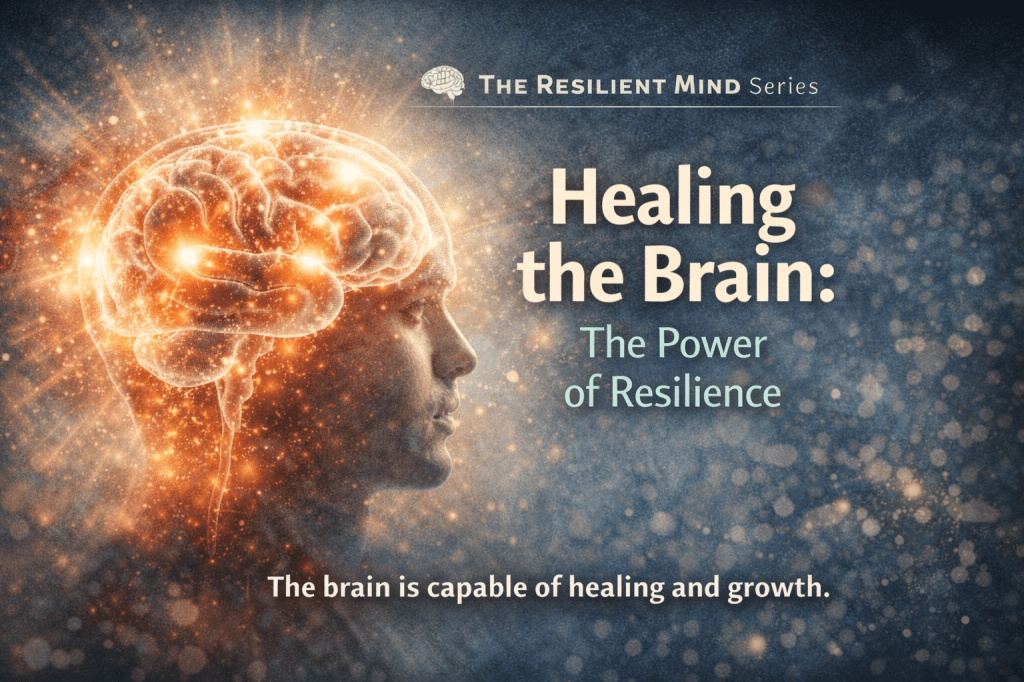
- Healing the Brain: The Power of Resilience
 The brain is incredibly resilient. Even after injury, it can adapt, rebuild connections, and continue healing over time. Recovery may involve therapy, support systems, and lifestyle changes. True resilience means continuing to grow and move forward, even while carrying experiences that have reshaped how we think and live.
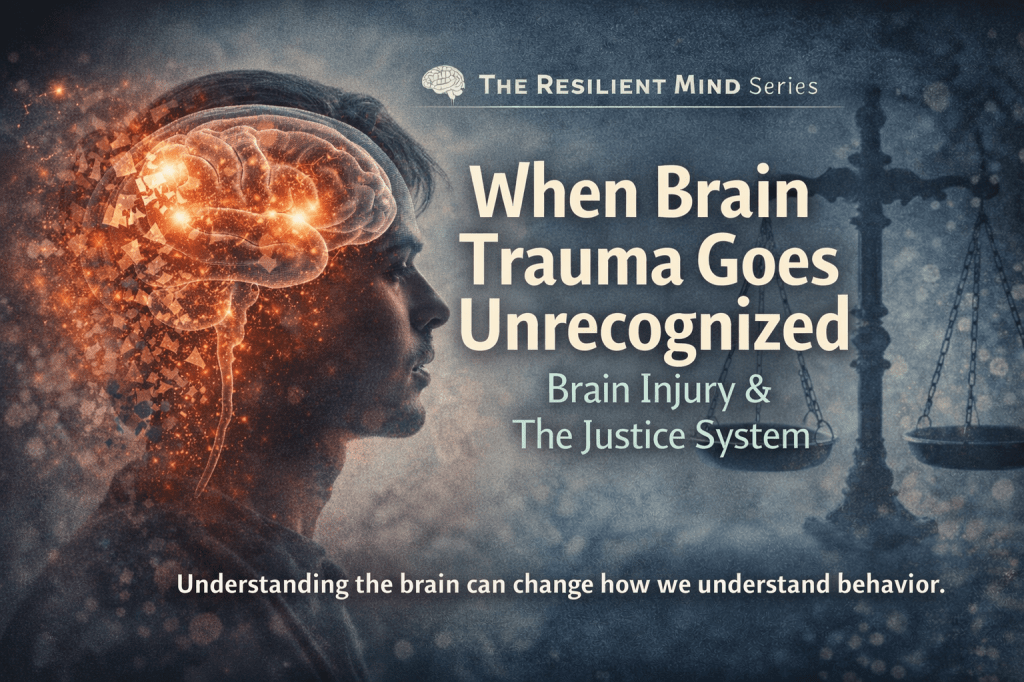
 - When Brain Trauma Goes Unrecognized
 When brain trauma goes unrecognized, people may struggle with impulse control, emotional regulation, and decision-making. These challenges can sometimes lead to misunderstandings or negative outcomes. Greater awareness of brain injuries helps communities and institutions respond with better understanding, support, and more informed approaches to human behavior.
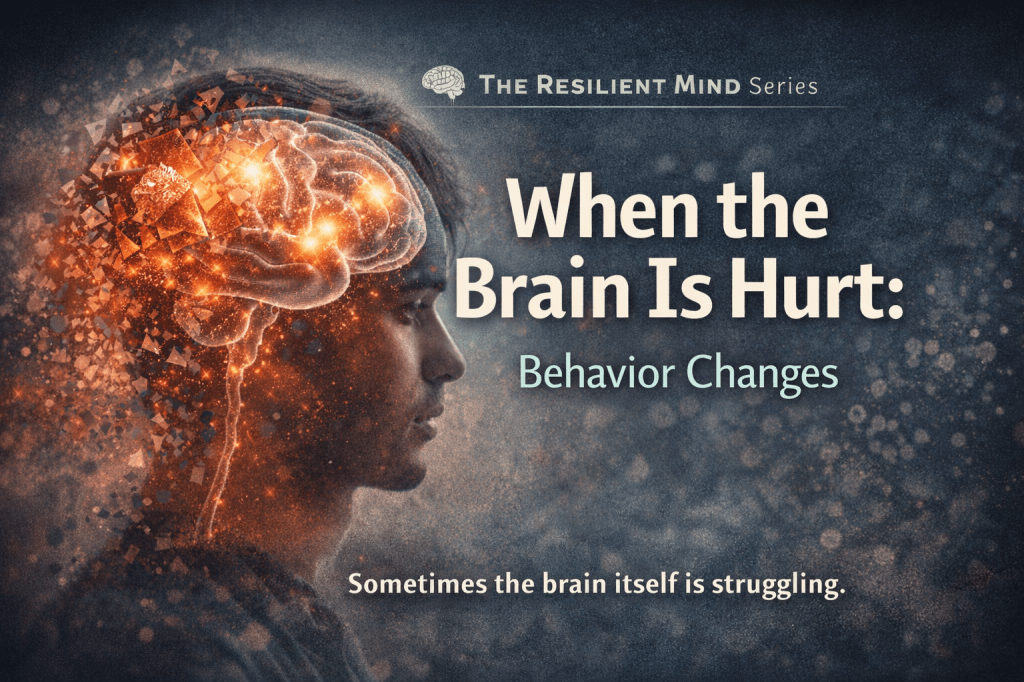
 - When the Brain Is Hurt, Behavior Changes
 Brain injuries can change how people think, react, and regulate their emotions. What looks like anger, distraction, or impulsiveness may actually be the brain struggling to function normally. Understanding the connection between brain health and behavior helps us approach challenges with empathy, awareness, and patience.
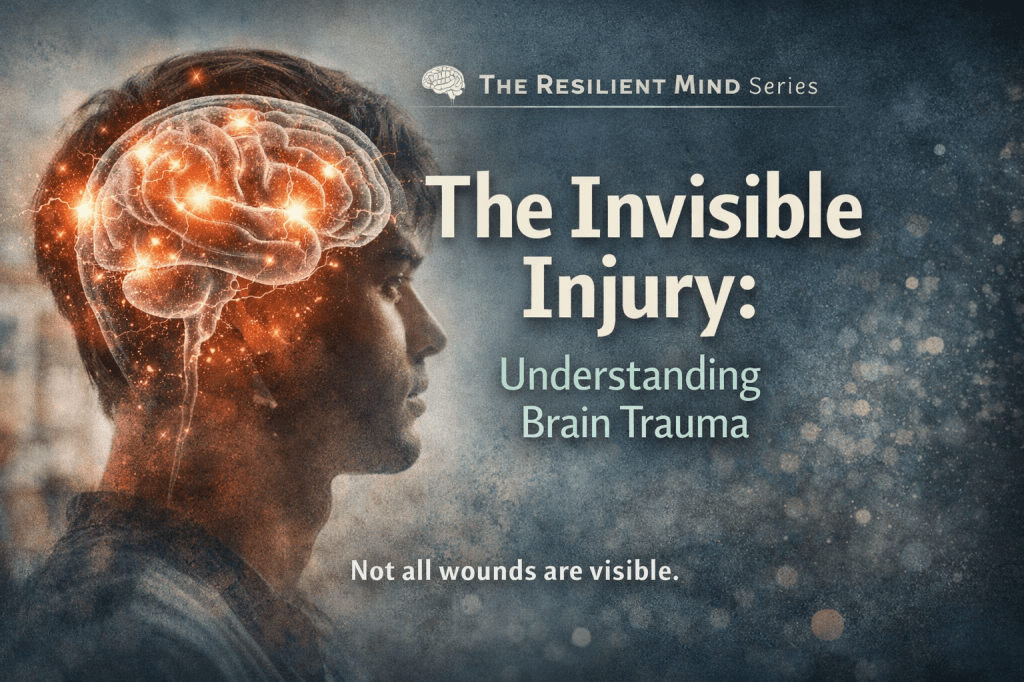
 - The Invisible Injury: Understanding Brain Trauma
 Many injuries are easy to see, but brain trauma often remains invisible. During Brain Injury Awareness Month, we explore how traumatic brain injuries affect the mind, behavior, and daily life. Understanding brain health is an important step toward compassion, awareness, and resilience in ourselves and in the people around us.
 - The Whale as a Classroom
 We fill our lives with noise, distractions, work, conversations, entertainment—anything that keeps us from sitting still long enough to hear what’s actually happening inside us.



 The Resilient Mind
Leave a comment