
You can’t…
Work ethic is not something you pick up in a book, you can’t watch any YouTube tutorials, or attend any seminars, and there is definitely no 90 day plan to extreme work ethic and let’s face it if there was you probably wouldn’t follow through if work ethic is the one thing you lack.
It’s one of those things that you have or don’t have. Sure, you can practice tricks to not be lazy. Set some schedules, set some alarms, set some tasks to do throughout the day and practice a routine, but without a good work ethic how long will that really last.
I tell my son, “just do what you have to do, and it will be done…” it’s not about doing what you want to do, it’s about doing what you have to do.
I tell him that because at a young age is when work ethic is developed and it’s typically something father’s pass down. As a young man myself my father dragged me along on every mission he could conjure up to earn a buck and put some food on the table that night. Picking pecans, selling fish, candy, newspapers, and other things I don’t necessarily feel are worth mentioning in this article but you get the picture.
As men we play a strong part in developing the work ethic in the next generation. A strong work ethic is foundational to the success of a man. Unfortunately as you grow older it’s less likely that you will develop the mindset you need to have in order to have an exceptional work ethic.
“DO WHAT YOU MUST”
Descendants of Kings
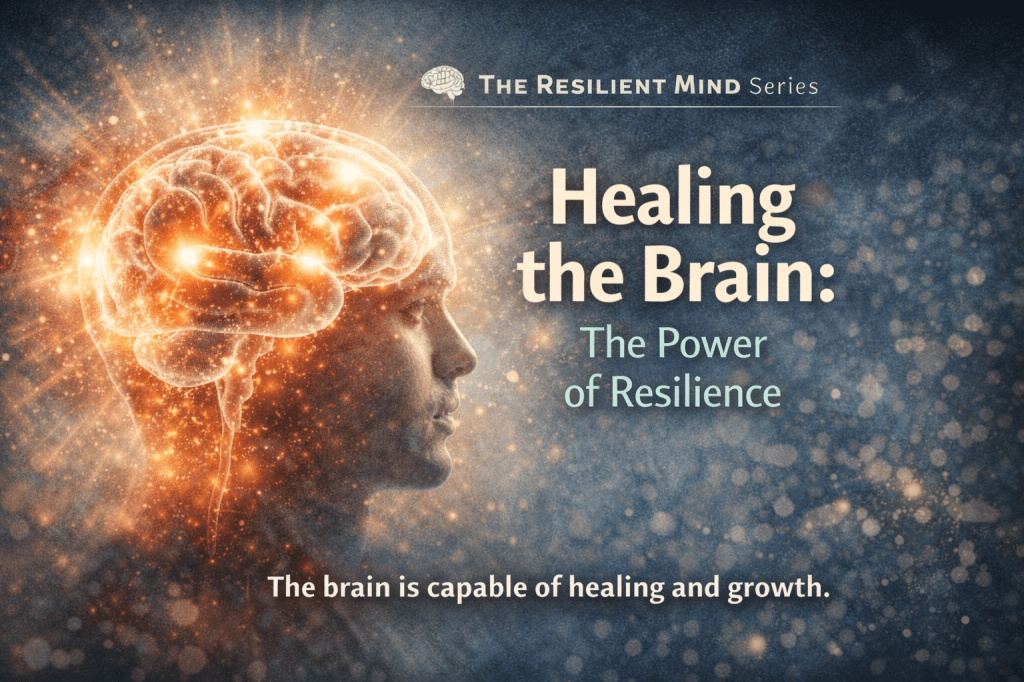
- Healing the Brain: The Power of Resilience
 The brain is incredibly resilient. Even after injury, it can adapt, rebuild connections, and continue healing over time. Recovery may involve therapy, support systems, and lifestyle changes. True resilience means continuing to grow and move forward, even while carrying experiences that have reshaped how we think and live.
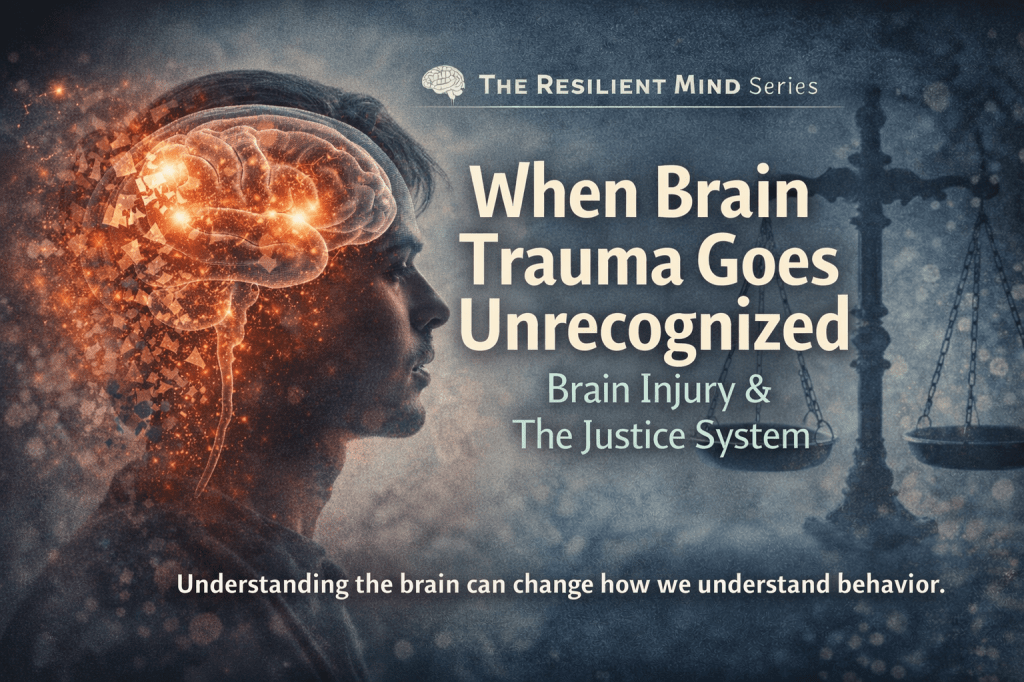
 - When Brain Trauma Goes Unrecognized
 When brain trauma goes unrecognized, people may struggle with impulse control, emotional regulation, and decision-making. These challenges can sometimes lead to misunderstandings or negative outcomes. Greater awareness of brain injuries helps communities and institutions respond with better understanding, support, and more informed approaches to human behavior.
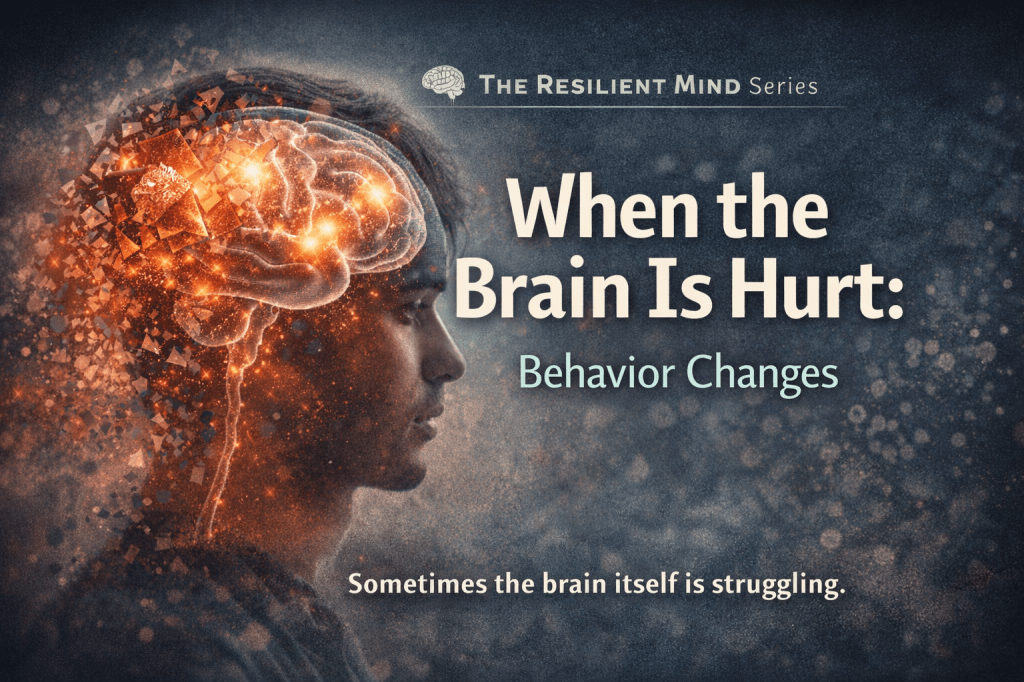
 - When the Brain Is Hurt, Behavior Changes
 Brain injuries can change how people think, react, and regulate their emotions. What looks like anger, distraction, or impulsiveness may actually be the brain struggling to function normally. Understanding the connection between brain health and behavior helps us approach challenges with empathy, awareness, and patience.
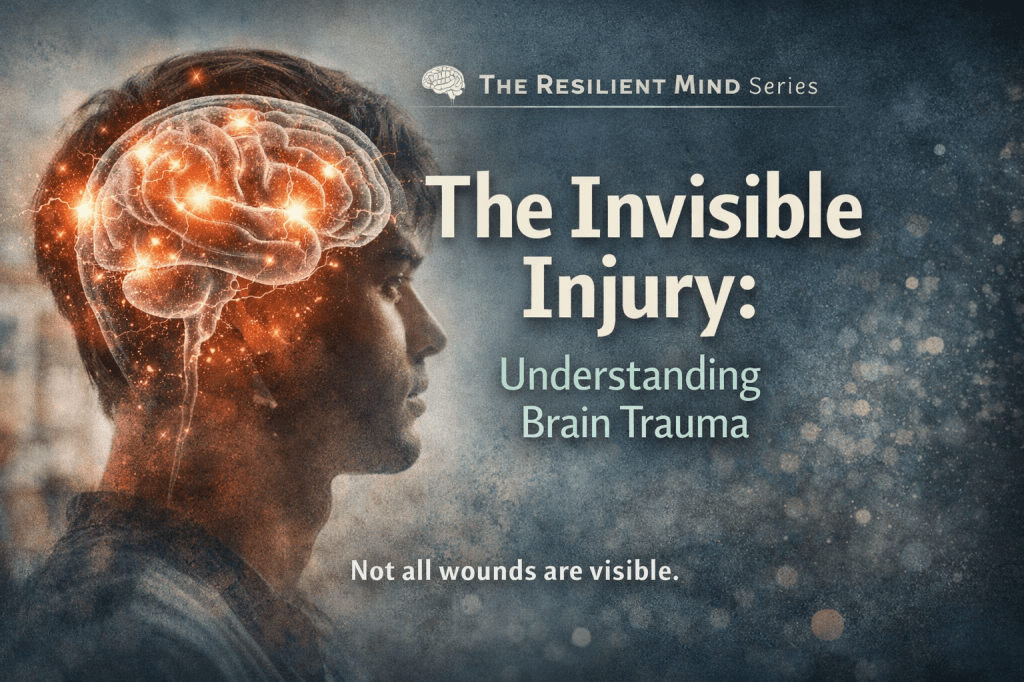
 - The Invisible Injury: Understanding Brain Trauma
 Many injuries are easy to see, but brain trauma often remains invisible. During Brain Injury Awareness Month, we explore how traumatic brain injuries affect the mind, behavior, and daily life. Understanding brain health is an important step toward compassion, awareness, and resilience in ourselves and in the people around us.
 - The Whale as a Classroom
 We fill our lives with noise, distractions, work, conversations, entertainment—anything that keeps us from sitting still long enough to hear what’s actually happening inside us.




 The Resilient Mind
Leave a comment