
Success is a journey, not a destination. On this path, we often find ourselves in unfamiliar territory, facing challenges we’ve never encountered before. In such moments, seeking advice from those who have walked similar paths can be invaluable. To help you navigate your journey to success, it’s crucial to connect with three types of men who offer unique perspectives and insights: those who have proven themselves, the new up-and-coming men, and those who had the courage but couldn’t quite make it all the way.
- The Proven Men: Your Guiding Stars
The first group of men you should turn to for advice are those who have proven themselves in their respective fields. These individuals have experienced success and are often willing to share their wisdom and guidance with those who aspire to follow in their footsteps. Their insights can give you a clear roadmap of what to expect and help you avoid common pitfalls.
When seeking advice from these individuals, remember that their perspectives come from years of hard work and experience. They can offer valuable lessons on perseverance, goal-setting, and the importance of resilience. They can also provide invaluable connections and introduce you to their networks, opening doors that you may not have been able to access on your own.
- The Newbies: The Courageous Trailblazers
The journey to success is not just about following in the footsteps of those who have gone before you; it’s also about creating your own path. New up-and-coming men, who are stumbling their way through the early stages of their careers or ventures, offer a fresh perspective on the challenges and opportunities that lie ahead.
Connecting with these individuals can give you a realistic view of the current landscape. Their experiences may be relatable, as they are navigating the same hurdles and uncertainties you are facing. Sharing insights, failures, and successes with this group can be motivating, as it reminds you that success is an achievable goal, and others are also striving for it alongside you.
- The Courageous, Yet Unsuccessful: Lessons in Resilience
While learning from those who have reached the summit of success is important, it’s equally crucial to engage with individuals who embarked on the journey but couldn’t make it all the way. These men can provide valuable insights into the challenges that sometimes lead to setbacks or failure.
Listening to their stories can help you prepare for the unexpected and teach you the importance of resilience. Their experiences may highlight the importance of adapting, learning from mistakes, and having the courage to start anew when things don’t go as planned. While they may not have reached their desired destination, they can offer valuable wisdom about the journey itself.
In conclusion, success is not a linear path, and it’s essential to seek advice from a variety of sources to navigate it effectively. The guidance of proven men, the fresh perspectives of newbies, and the resilience lessons from those who fell short can collectively provide a well-rounded view of what to expect along your journey to success.
No matter where you are on your path, always remember to embrace your journey with courage and determination. As you take advice from these three types of men, keep in mind that your success is defined by your own unique journey. So, in the face of challenges and setbacks, always strive to do “king shit” – make bold decisions, learn from your experiences, and keep pushing forward on your quest for success.
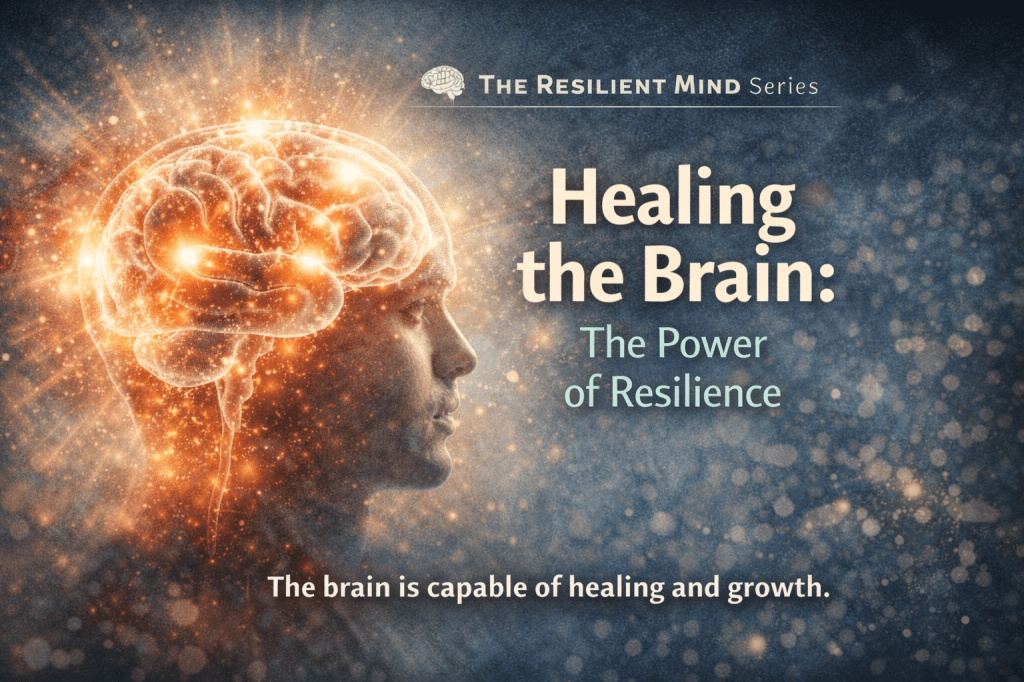
- Healing the Brain: The Power of Resilience
 The brain is incredibly resilient. Even after injury, it can adapt, rebuild connections, and continue healing over time. Recovery may involve therapy, support systems, and lifestyle changes. True resilience means continuing to grow and move forward, even while carrying experiences that have reshaped how we think and live.
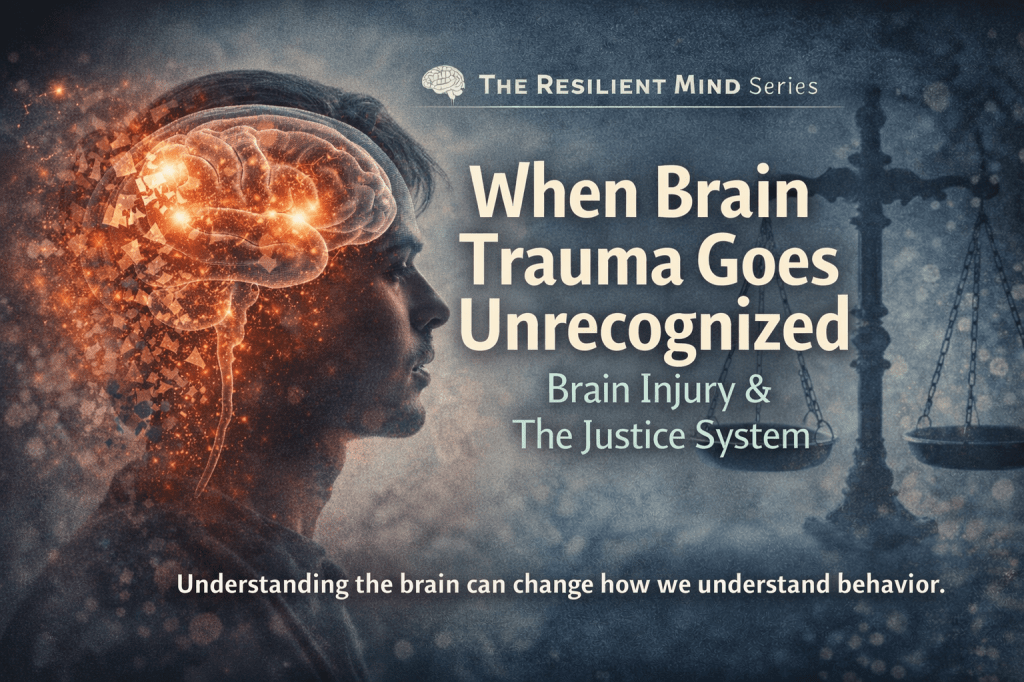
 - When Brain Trauma Goes Unrecognized
 When brain trauma goes unrecognized, people may struggle with impulse control, emotional regulation, and decision-making. These challenges can sometimes lead to misunderstandings or negative outcomes. Greater awareness of brain injuries helps communities and institutions respond with better understanding, support, and more informed approaches to human behavior.
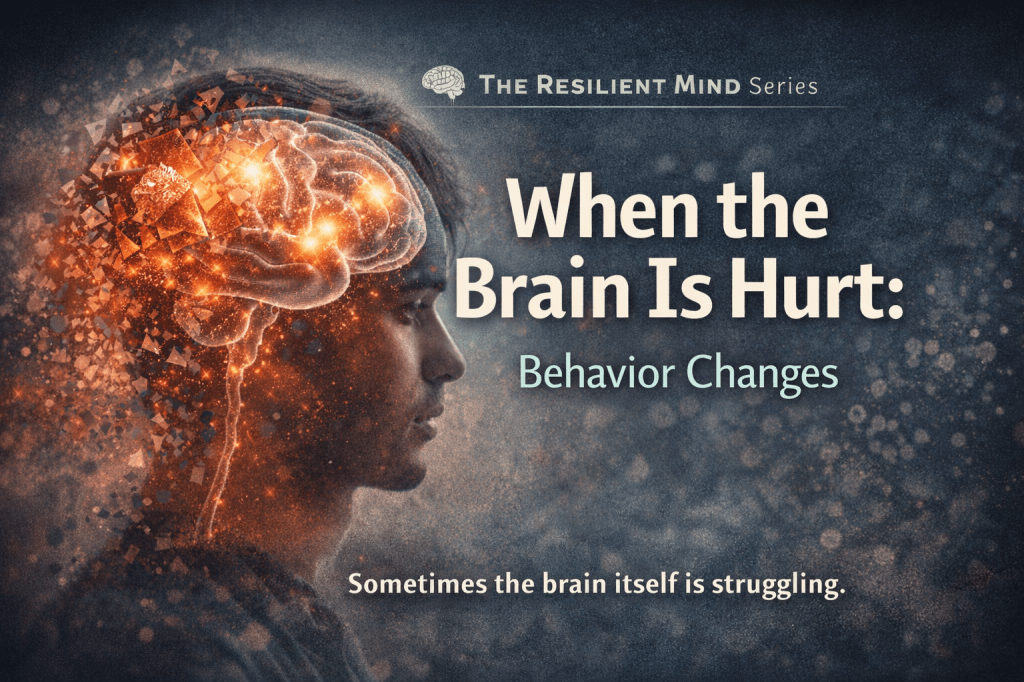
 - When the Brain Is Hurt, Behavior Changes
 Brain injuries can change how people think, react, and regulate their emotions. What looks like anger, distraction, or impulsiveness may actually be the brain struggling to function normally. Understanding the connection between brain health and behavior helps us approach challenges with empathy, awareness, and patience.
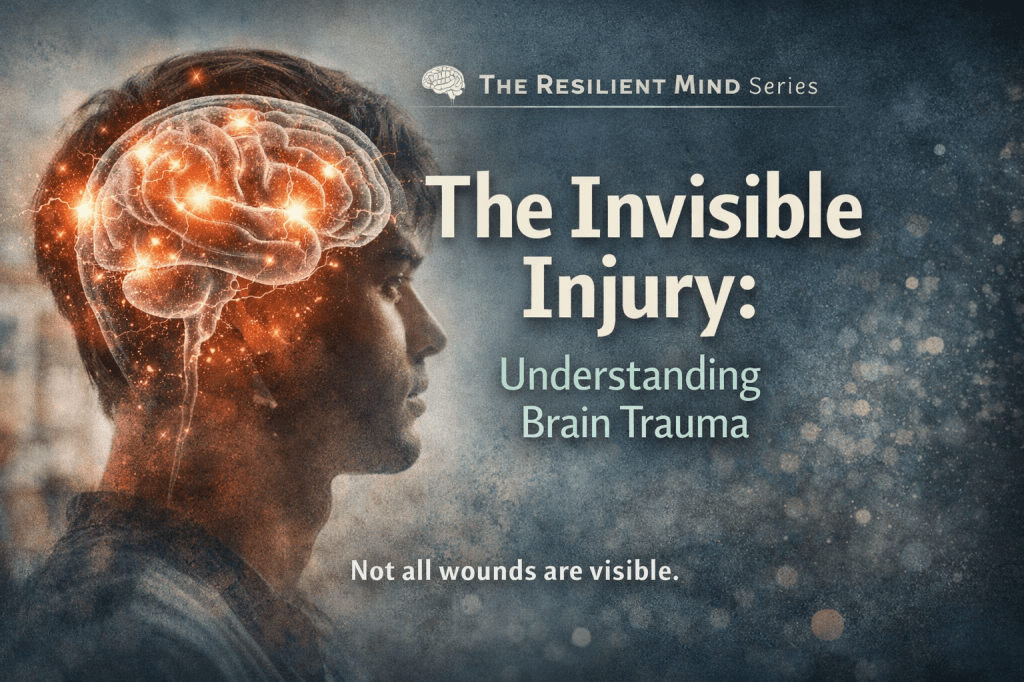
 - The Invisible Injury: Understanding Brain Trauma
 Many injuries are easy to see, but brain trauma often remains invisible. During Brain Injury Awareness Month, we explore how traumatic brain injuries affect the mind, behavior, and daily life. Understanding brain health is an important step toward compassion, awareness, and resilience in ourselves and in the people around us.
 - The Whale as a Classroom
 We fill our lives with noise, distractions, work, conversations, entertainment—anything that keeps us from sitting still long enough to hear what’s actually happening inside us.



 The Resilient Mind
Leave a comment