
As a young and driven 15-year-old, I vividly recall the moment when I realized that a mere $15 allowance from my foster mother simply wouldn’t cut it for me. Determined to secure my financial independence, I took it upon myself to seek out opportunities for employment. I boldly approached the neighborhood cornerstore and convinced the owner, Bob, to give me a chance. Despite initially only being assigned “busy work,” I soon recognized the importance of these seemingly mundane tasks in contributing to my personal and professional growth. As I transitioned into the role of an entrepreneur, I came to understand that staying busy and engaged with these smaller tasks is an integral component of achieving success and remaining relevant in a constantly evolving business landscape. In essence, busy work is not merely a means to fill idle time, but a strategic approach to staying ahead in the game of entrepreneurship.


Maintaining Productivity, Developing Skills, Optimizing Operations, Boosting Morale, Demonstrating Adaptability, and Preparing for Future Growth
In tough times or slow business periods, busy work plays a significant role in keeping operations running smoothly and maintaining momentum. It’s during these challenging phases that the impact of busy work becomes even more pronounced. Here’s why busy work is particularly relevant in such situations:
1. Productivity Maintenance: When the demand for major tasks decreases, it’s crucial to stay productive and engaged. Busy work ensures that you and your team remain active and focused during slower periods, preventing a dip in overall productivity.
2. Skill Development: Some tasks that may be considered “busy work” actually provide valuable opportunities for skill development. Whether it’s refining existing skills or learning new ones, these tasks can contribute to personal and professional growth, positioning you and your team for success when business picks up again.
3. Operational Optimization: Engaging in busy work allows for the optimization of operational processes. This is an ideal time to streamline workflows, organize workspaces, and address any pending administrative tasks that may have been set aside during busier periods.
4. Employee Morale: During tough times, employees may experience feelings of uncertainty or decreased morale. Providing meaningful busy work can help employees feel valued and engaged, fostering a sense of purpose and contributing to overall team morale.
5. Flexibility and Adaptability: Embracing busy work during slower periods demonstrates an ability to be flexible and adaptable in the face of challenges. It allows for a shift in focus and priorities, showcasing resilience and agility within your team and organization.
6. Preparation for Growth: Investing time in busy work can position your business for growth when conditions improve. By addressing smaller tasks and areas for improvement during slow periods, you create a foundation for a more efficient and effective operation when business picks up again.
In essence, busy work during tough times or slow business periods serves as a proactive approach to maintaining productivity, developing skills, optimizing operations, boosting morale, demonstrating adaptability, and preparing for future growth. When harnessed effectively, busy work becomes an essential component in navigating through challenging times while setting the stage for future success.
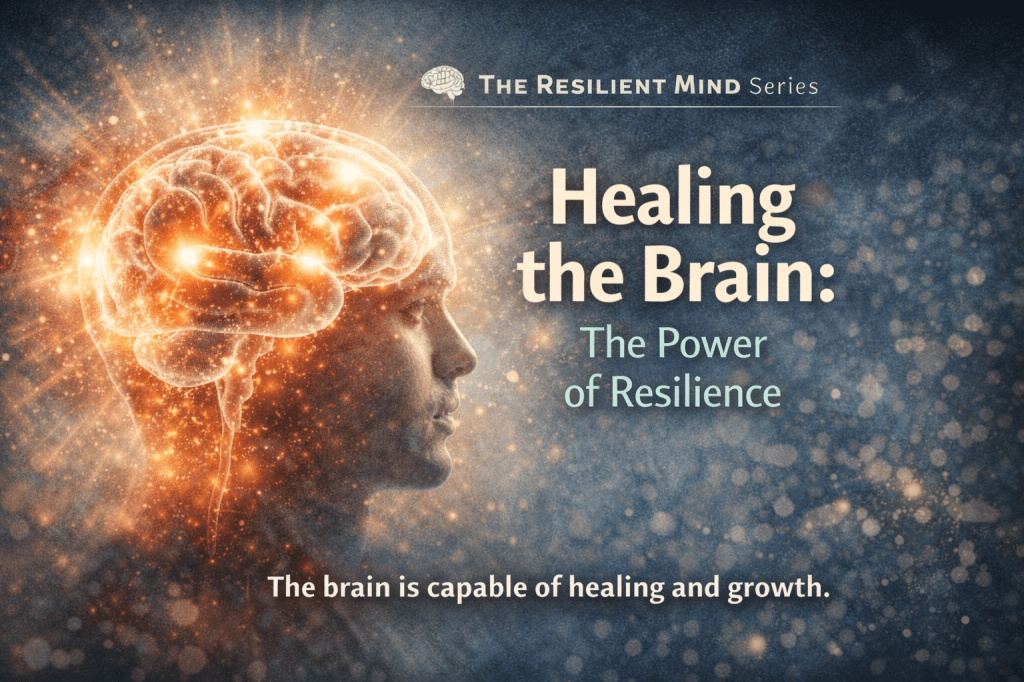
- Healing the Brain: The Power of Resilience
 The brain is incredibly resilient. Even after injury, it can adapt, rebuild connections, and continue healing over time. Recovery may involve therapy, support systems, and lifestyle changes. True resilience means continuing to grow and move forward, even while carrying experiences that have reshaped how we think and live.
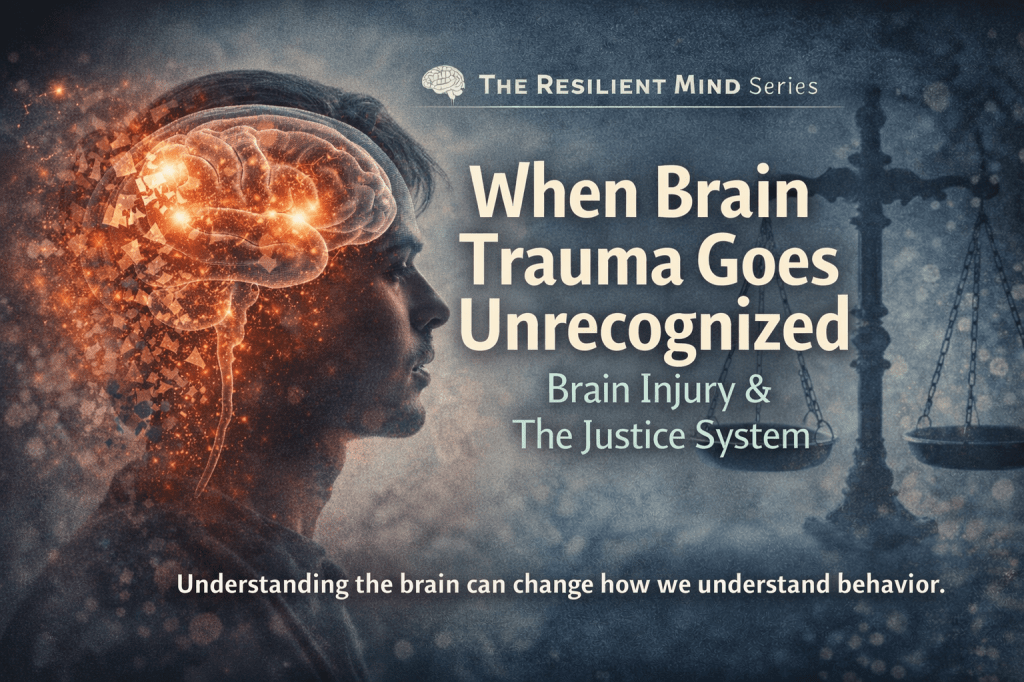
 - When Brain Trauma Goes Unrecognized
 When brain trauma goes unrecognized, people may struggle with impulse control, emotional regulation, and decision-making. These challenges can sometimes lead to misunderstandings or negative outcomes. Greater awareness of brain injuries helps communities and institutions respond with better understanding, support, and more informed approaches to human behavior.
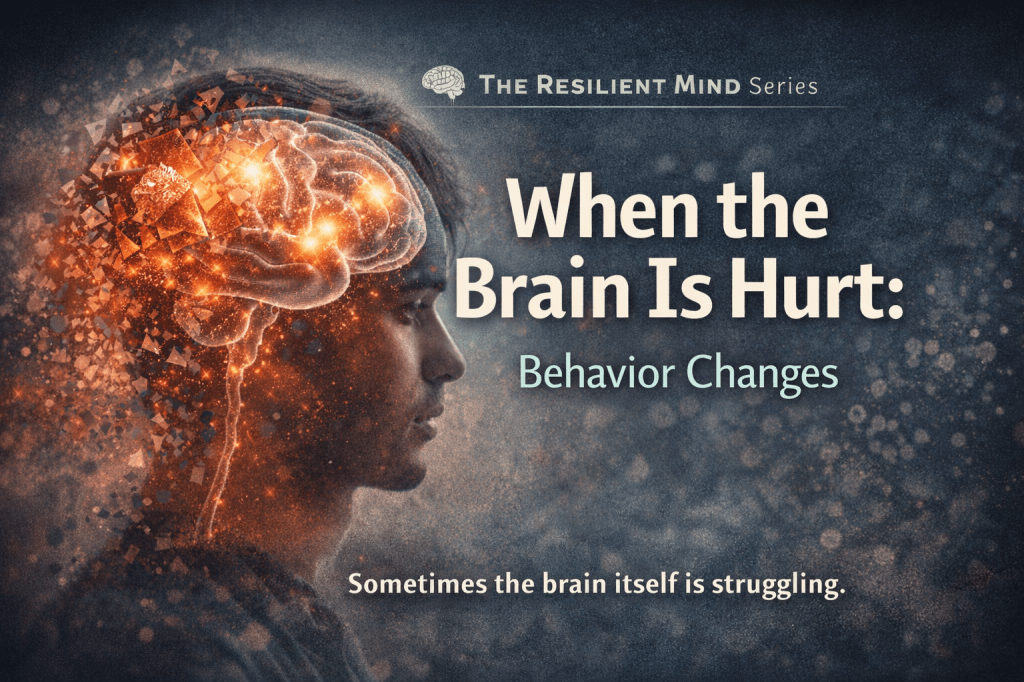
 - When the Brain Is Hurt, Behavior Changes
 Brain injuries can change how people think, react, and regulate their emotions. What looks like anger, distraction, or impulsiveness may actually be the brain struggling to function normally. Understanding the connection between brain health and behavior helps us approach challenges with empathy, awareness, and patience.
 - The Invisible Injury: Understanding Brain Trauma
 Many injuries are easy to see, but brain trauma often remains invisible. During Brain Injury Awareness Month, we explore how traumatic brain injuries affect the mind, behavior, and daily life. Understanding brain health is an important step toward compassion, awareness, and resilience in ourselves and in the people around us.
 - The Whale as a Classroom
 We fill our lives with noise, distractions, work, conversations, entertainment—anything that keeps us from sitting still long enough to hear what’s actually happening inside us.




 The Resilient Mind
Leave a comment