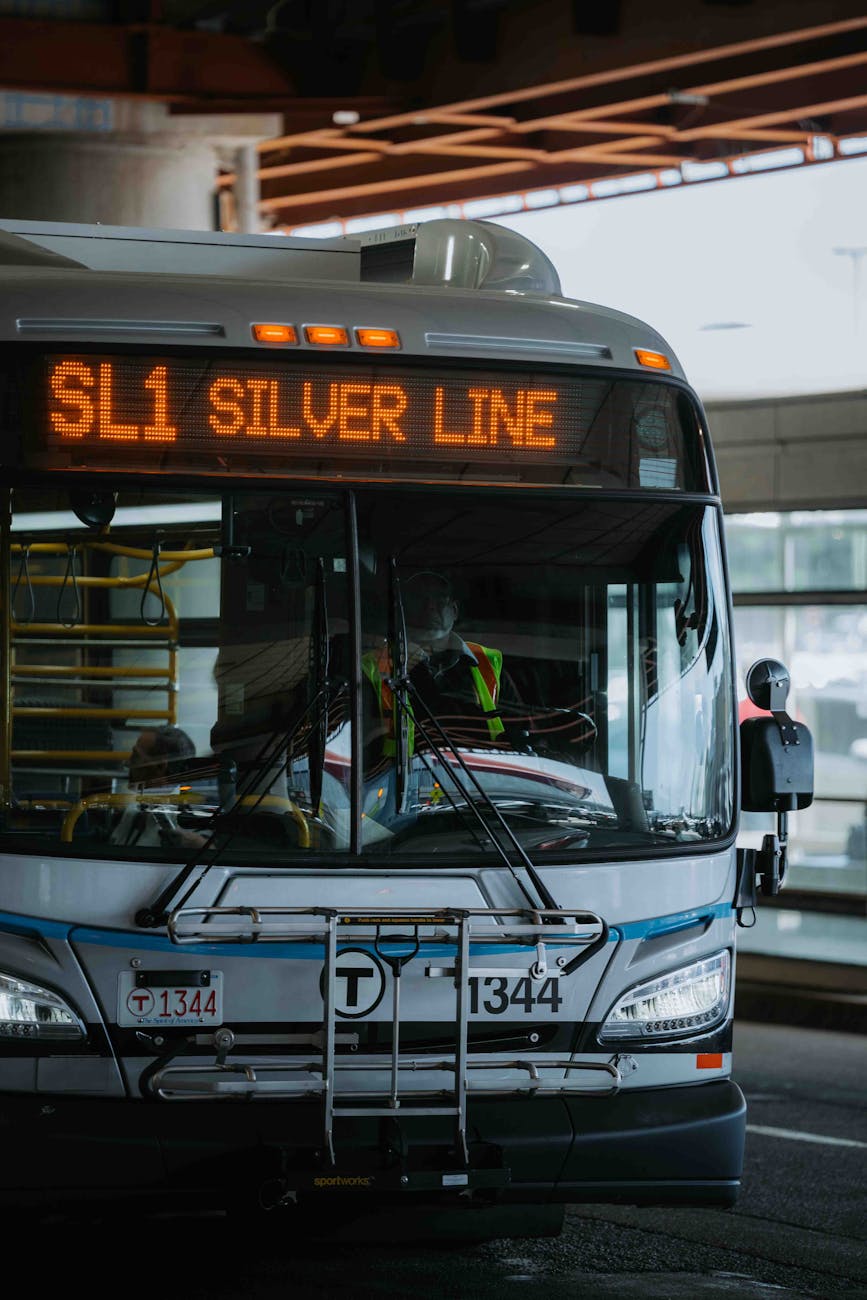
Local Bus and Ride Share Services
Navigating public transportation can seem daunting at first, but with a little guidance, it becomes a valuable skill that offers freedom and convenience. This guide will help students understand how to use local bus services and ride-share options effectively.
Understanding Bus Schedules
1. Find Your Route
- Most cities have a public transportation website or app where you can find bus routes and schedules. Look up the routes that are closest to your home and school.
- Use tools like Google Maps to find the best routes and transfer points.
2. Reading the Schedule
- Bus Numbers and Colors: Buses are often categorized by numbers or colors indicating different routes. Pay attention to these when planning your trip.
- Timing: Bus schedules usually show the times buses arrive at each stop. Make sure to check the days of the week as weekend schedules often differ from weekdays.
- Frequency: Some buses run every 10-15 minutes, while others may only come every hour. Plan accordingly to avoid long waits.
3. Bus Stops and Signage
- Identifying Stops: Look for bus stop signs that usually display the route number, schedule, and sometimes a map.
- Waiting at the Stop: Arrive at your bus stop a few minutes early. Stand where the bus driver can see you.
Understanding Fare Systems
1. Payment Methods
- Cash: Many buses accept cash. Make sure to have the exact fare as drivers usually don’t carry change.
- Transit Cards: Cities often offer reloadable transit cards that can be used for bus, subway, and sometimes ride shares.
- Mobile Payments: Some transit systems have apps that allow you to pay directly from your phone.
2. Fare Structure
- Single Rides: Pay per ride, often with a transfer fee for switching buses.
- Day/Week/Month Passes: These can be cost-effective if you ride frequently.
Ride Share Services
1. Popular Ride Share Apps
- Uber and Lyft: These are the most common ride-share apps in many cities. Download the app, create an account, and add a payment method.
- Local Options: Some cities have local ride-share services that may offer cheaper or more tailored services.
2. Using Ride Share Services
- Requesting a Ride: Open the app, enter your destination, and select the type of ride (e.g., standard, pool/shared ride).
- Safety Tips: Always check the car’s license plate and the driver’s name before getting in. Share your trip details with a friend or family member.
- Cost and Payment: The app will show you the estimated cost of the ride. Payment is automatic through the app.
Additional Tips
1. Plan Ahead
- Know your schedule and plan your trips in advance to avoid last-minute stress.
- Check for any service changes or disruptions on the transit system’s website or app.
2. Stay Safe
- Be aware of your surroundings and trust your instincts. If something feels off, find a safe place and call for help.
- Keep your belongings secure and avoid displaying valuables.
3. Make it Convenient
- Use a reliable backpack to carry your essentials comfortably.
- Consider travel guides that offer tips on local transportation and attractions.
Recommended Products
- [Public Transportation Apps]: Explore the best apps for navigating your city’s transit system.
- [Backpacks]: Find durable and stylish backpacks perfect for daily commutes.
- [Travel Guides]: Get comprehensive travel guides to help you explore new places with ease.
Navigating public transportation can greatly enhance your independence and open up new opportunities. With these tips, you’ll be ready to make the most of your local bus and ride-share services.







 The Resilient Mind
Leave a comment