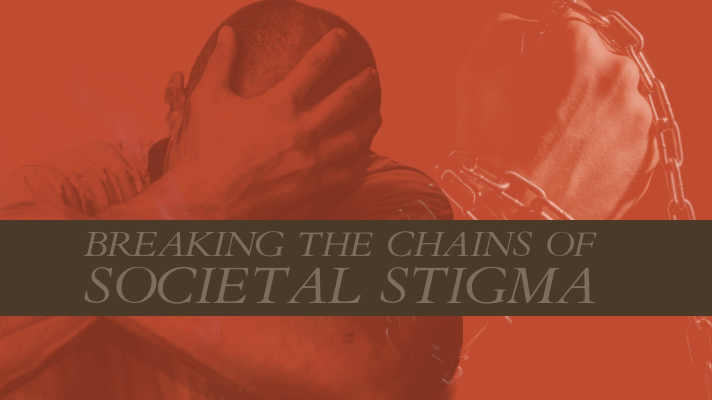
What are some common social stigmas men face?
Some social stigmas that men face include being seen as incapable of displaying emotion, being seen as too aggressive, being expected to lead and being in charge, and having expectations to provide and protect.
Additionally, there is an idea of men having less value when aging, as well as feeling pressured to be “manly.”
One of the most prominent societal stigmas for men is the notion that they must always be strong and not show emotions or sensitivity. This can lead to feelings of hopelessness, isolation, shame and other mental health issues.
How has the idea that men should always be strong and not show emotions or sensitivity affected men?
The idea that men should not show any emotions or sensitivity has had a large impact on men and their mental health.
This belief system puts an unachievable expectation on men to suppress their feelings, making it difficult for them to express themselves in healthy ways. This leads to a build up of feelings, leading to feelings of anxiety, depression, and isolation.
Many men face a stigma around seeking out mental health services, such as therapy, making it difficult to process and manage their emotions. This can contribute to further issues with mental health, such as difficulty regulating emotions or substance abuse.
Long-term, this could contribute to various forms of violence or other destructive behaviors.
Do men face health issues from the pressures of societal stigmas?
Yes, men do face health issues from the pressures of societal stigmas.
Examples of health issues include:
- Depression
- Anxiety
- High blood pressure
These issues can stem from feeling like they have to live up to certain expectations, such as being seen as the main breadwinner in the family. They can also be caused by the lack of male role models and the pressure to be tough and stoic.
Social pressures such as these can lead men to act out aggressively in an attempt to regain control over their lives, which can lead to further health and social issues.
What are some healthy emotional outlets for men?
1. Exercise: Working out releases endorphins and can improve mood and reduce anxiety.
2. Art: Painting, sculpting, drawing and other forms of art can help reduce stress and boost mental health.
3. Music: Music can be a great outlet for emotions. Listening to a favorite song can help lift spirits and reduce stress.
4. Journaling: Writing down thoughts, feelings and worries can help clear the mind and allow for better insight into self and relationships.
5. Hobbies: Enjoying a favorite hobby can be a great way to give the mind a break from stressful situations.
6. Socializing: Meeting with friends, family and joining activities can help improve mood and provide a break from everyday stress.
7. Meditation: Taking the time to pause and reflect can reduce stress, help manage thoughts and provide some guidance.
8. Nature: Taking a walk outdoors in nature can have calming and therapeutic effects.
How are men doing when it comes to coping with societal stigmas?
Men are struggling with the additional societal stigma they face, as they are often expected to fit narrow definitions of manhood.
In particular, issues such as poor mental health, being sensitive, or having difficulty expressing emotion are often seen as signs of weakness by certain segments of society, leading to further stigmas faced by men.
Men are also more likely to bottle up their emotions, which can lead to physical and mental health consequences.
In order to combat these stigmas and create a more supportive environment for men, it is important for society to accept that there is no one-size-fits-all definition of masculinity and that there is room for different types of expression.
With more discussion and acceptance, the stigma surrounding men’s emotional and mental health can be reduced.
Can men ever get away from social stigmas?
Yes, men can get away from social stigmas.
In some cases, it can take a bit of work and effort, but it is possible.
For example, men can pursue activities that challenge gender norms and roles and make a conscious effort to engage in conversations with people of different backgrounds and viewpoints.
Additionally, men can work to create positive dialogue with others on topics related to gender and seek out mentors and other support networks who can provide guidance and help them to better understand the impacts of social stigmas.
Tell us in the comments!
If you’ve read this far I thank you for being so invested. Take the time and tell us what your experience was while reading and take a second to answer a few questions!
- What are your thoughts on this topic?
- What social stigmas do you struggle with the most?
- How do you cope with the pressure?





 The Resilient Mind
Leave a reply to Recognizing the Signs of a Toxic Relationship – Descendants of Kings Cancel reply