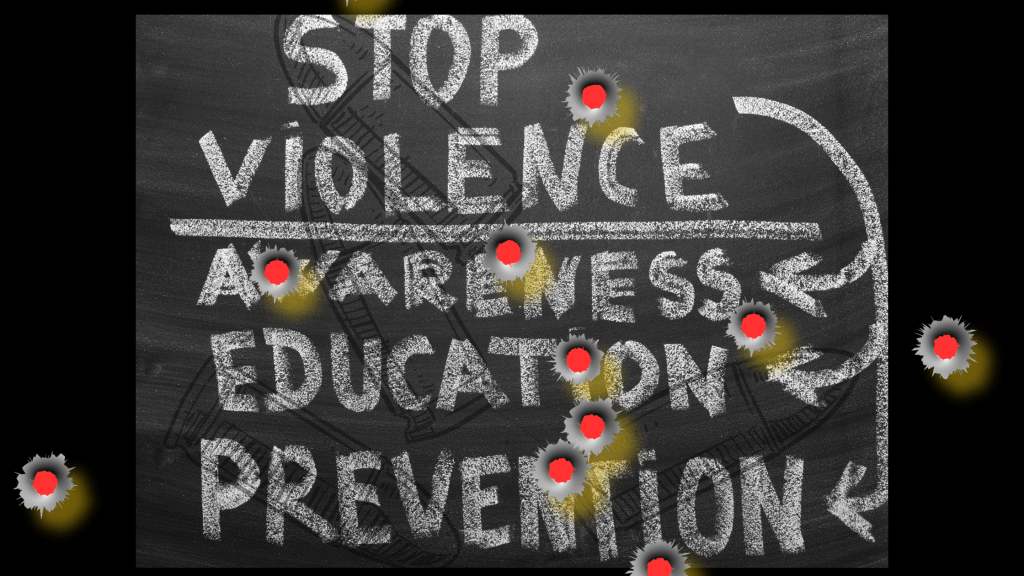
A Call to Action

Teen gun and gang violence is a pressing issue that affects communities across the nation. As we prepare for our upcoming fundraiser, “A Toast to Tomorrow,” it’s crucial to highlight the devastating impact of this violence on our youth and the importance of programs like our “Teen Talk” workshops.
Here, we delve into three critical statistics about teen gun and gang violence and explore how we can work together to create safer environments for our teens.
- Homicide Rates Among Teens
Homicide is the second leading cause of death for young people ages 10-24 in the United States, with firearms being a significant factor. The CDC reports that more than 7,500 young people in this age group are killed by firearms each year. This alarming statistic underscores the urgent need for intervention and prevention programs that can steer our youth away from violence and towards positive, constructive activities.
- Gang Involvement and Its Impact
Gang involvement among teens is a major contributor to youth violence. Approximately 40% of gang members in the U.S. are under the age of 18. Gangs offer a sense of belonging and protection, but they also perpetuate cycles of violence and criminal activity. Breaking this cycle requires comprehensive community efforts, including mentorship programs, educational opportunities, and safe spaces where teens can thrive without fear of gang influence.
- Exposure to Violence
In high-crime urban areas, over 80% of teens report witnessing or experiencing violence. This exposure not only increases the likelihood of them carrying and using guns but also has long-term psychological effects, including PTSD, anxiety, and depression. Providing teens with access to mental health resources and safe environments is essential in mitigating these effects and preventing further violence.
Addressing teen gun and gang violence requires a multifaceted approach involving community engagement, education, and support services. Our “Teen Talk” workshops, held every 1st and 3rd Thursday of the month, are one such initiative aimed at providing teens with a platform to discuss their experiences, learn conflict resolution skills, and build a support network. Join us at “A Toast to Tomorrow” to support these efforts and help us create a safer future for our youth.


- Healing the Brain: The Power of Resilience
 The brain is incredibly resilient. Even after injury, it can adapt, rebuild connections, and continue healing over time. Recovery may involve therapy, support systems, and lifestyle changes. True resilience means continuing to grow and move forward, even while carrying experiences that have reshaped how we think and live.
 - When Brain Trauma Goes Unrecognized
 When brain trauma goes unrecognized, people may struggle with impulse control, emotional regulation, and decision-making. These challenges can sometimes lead to misunderstandings or negative outcomes. Greater awareness of brain injuries helps communities and institutions respond with better understanding, support, and more informed approaches to human behavior.
 - When the Brain Is Hurt, Behavior Changes
 Brain injuries can change how people think, react, and regulate their emotions. What looks like anger, distraction, or impulsiveness may actually be the brain struggling to function normally. Understanding the connection between brain health and behavior helps us approach challenges with empathy, awareness, and patience.
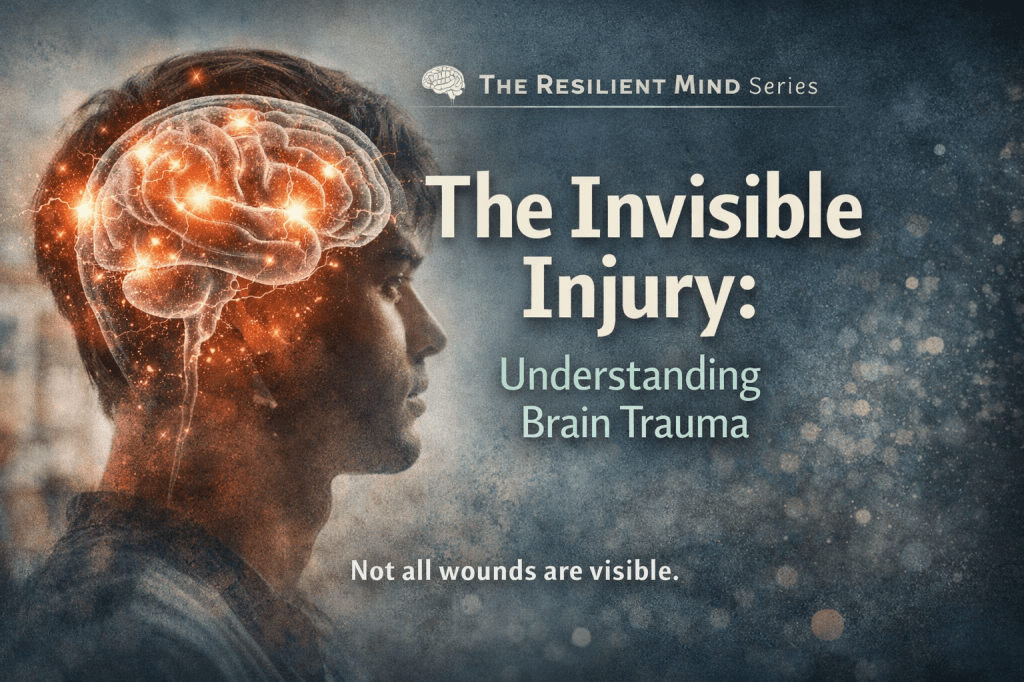
 - The Invisible Injury: Understanding Brain Trauma
 Many injuries are easy to see, but brain trauma often remains invisible. During Brain Injury Awareness Month, we explore how traumatic brain injuries affect the mind, behavior, and daily life. Understanding brain health is an important step toward compassion, awareness, and resilience in ourselves and in the people around us.
 - The Whale as a Classroom
 We fill our lives with noise, distractions, work, conversations, entertainment—anything that keeps us from sitting still long enough to hear what’s actually happening inside us.



 The Resilient Mind
Leave a comment