A Call to Action
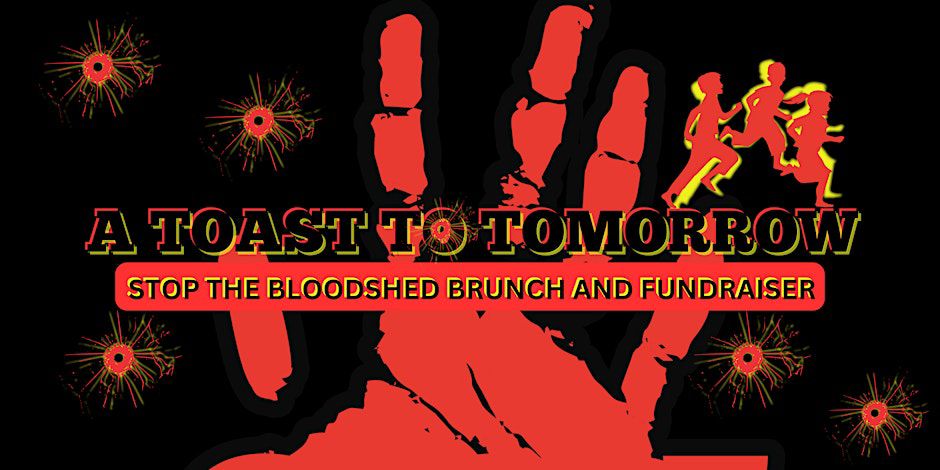
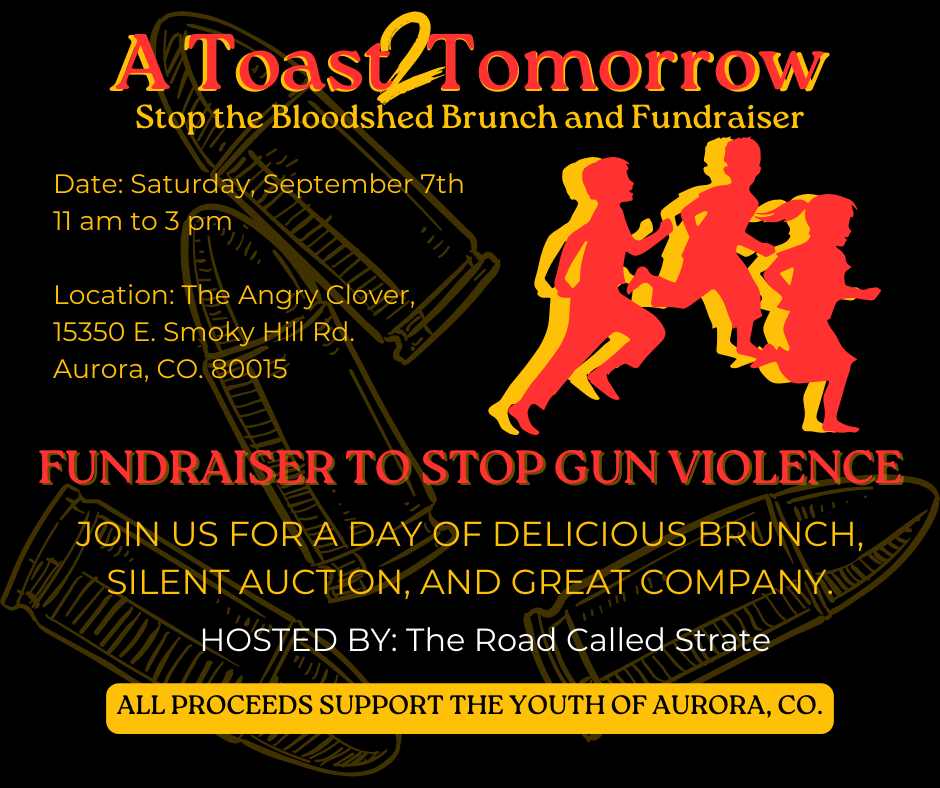
Teen gun and gang violence is a pressing issue that affects communities across the nation. As we prepare for our upcoming fundraiser, “A Toast to Tomorrow,” it’s crucial to highlight the devastating impact of this violence on our youth and the importance of programs like our “Teen Talk” workshops.
Here, we delve into three critical statistics about teen gun and gang violence and explore how we can work together to create safer environments for our teens.
- Homicide Rates Among Teens
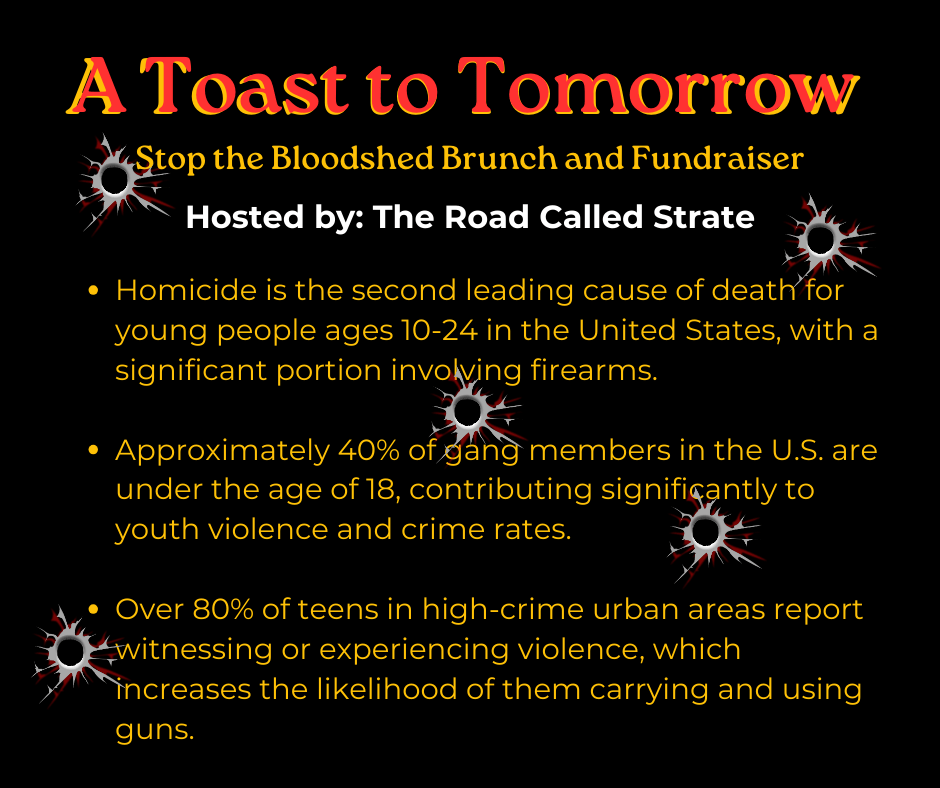
Homicide is the second leading cause of death for young people ages 10-24 in the United States, with firearms being a significant factor. The CDC reports that more than 7,500 young people in this age group are killed by firearms each year. This alarming statistic underscores the urgent need for intervention and prevention programs that can steer our youth away from violence and towards positive, constructive activities.
- Gang Involvement and Its Impact
Gang involvement among teens is a major contributor to youth violence. Approximately 40% of gang members in the U.S. are under the age of 18. Gangs offer a sense of belonging and protection, but they also perpetuate cycles of violence and criminal activity. Breaking this cycle requires comprehensive community efforts, including mentorship programs, educational opportunities, and safe spaces where teens can thrive without fear of gang influence.
- Exposure to Violence
In high-crime urban areas, over 80% of teens report witnessing or experiencing violence. This exposure not only increases the likelihood of them carrying and using guns but also has long-term psychological effects, including PTSD, anxiety, and depression. Providing teens with access to mental health resources and safe environments is essential in mitigating these effects and preventing further violence.
Addressing teen gun and gang violence requires a multifaceted approach involving community engagement, education, and support services. Our “Teen Talk” workshops, held every 1st and 3rd Thursday of the month, are one such initiative aimed at providing teens with a platform to discuss their experiences, learn conflict resolution skills, and build a support network. Join us at “A Toast to Tomorrow” to support these efforts and help us create a safer future for our youth.
- Who’s Making Space for Black Men?
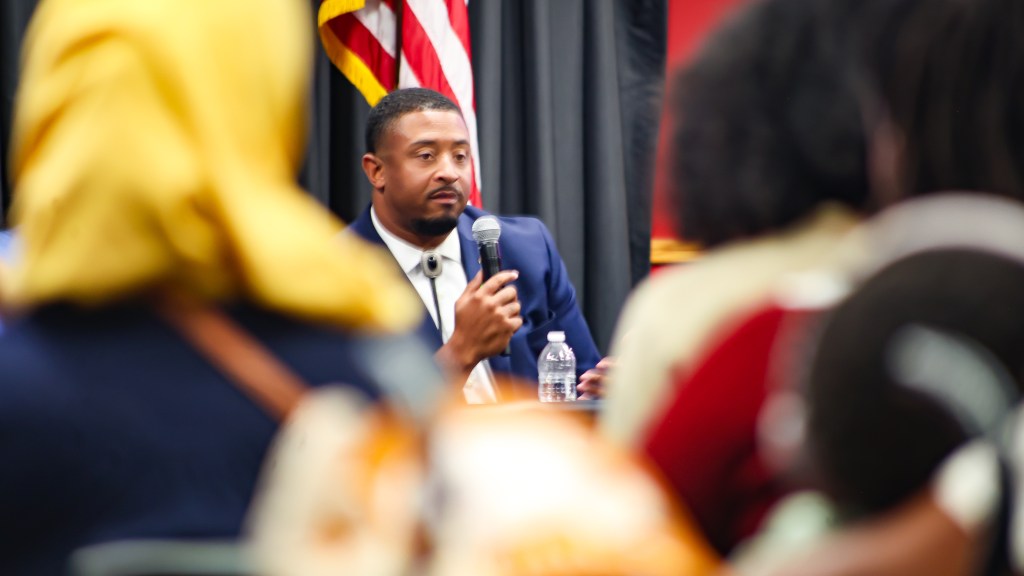
 A Colorado Black Caucus listening session sparked deeper questions about jobs, education, and who makes space for Black men to succeed. Kenny Hopkins reflects on community concerns, civic accountability, and economic opportunity, exploring how paid training, entrepreneurship, and actionable policy can help build stronger families and lasting stability across communities.
 - What If You’re Not Losing—You Just Haven’t Reached the End of the Story Yet?
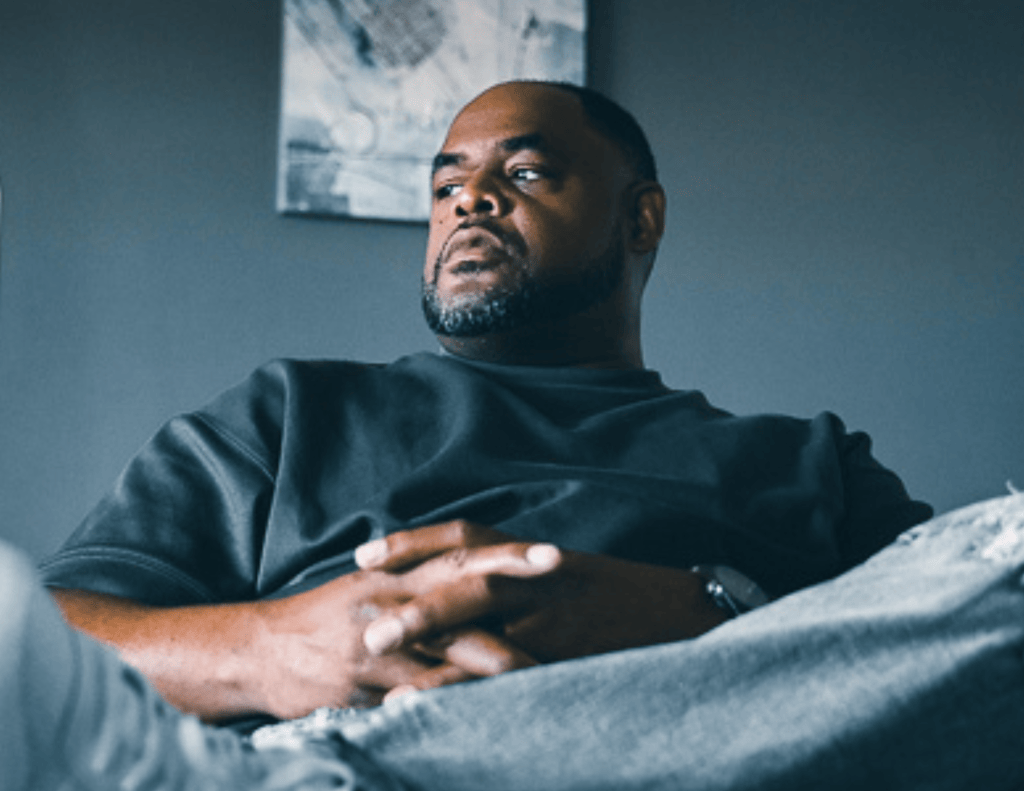
 Master P wrote about never giving up nearly 20 years ago. Looking at his journey today made me reconsider my own failures, lessons and unfinished story—and what might happen if I simply keep going.
 - Local Artists Through My Lens
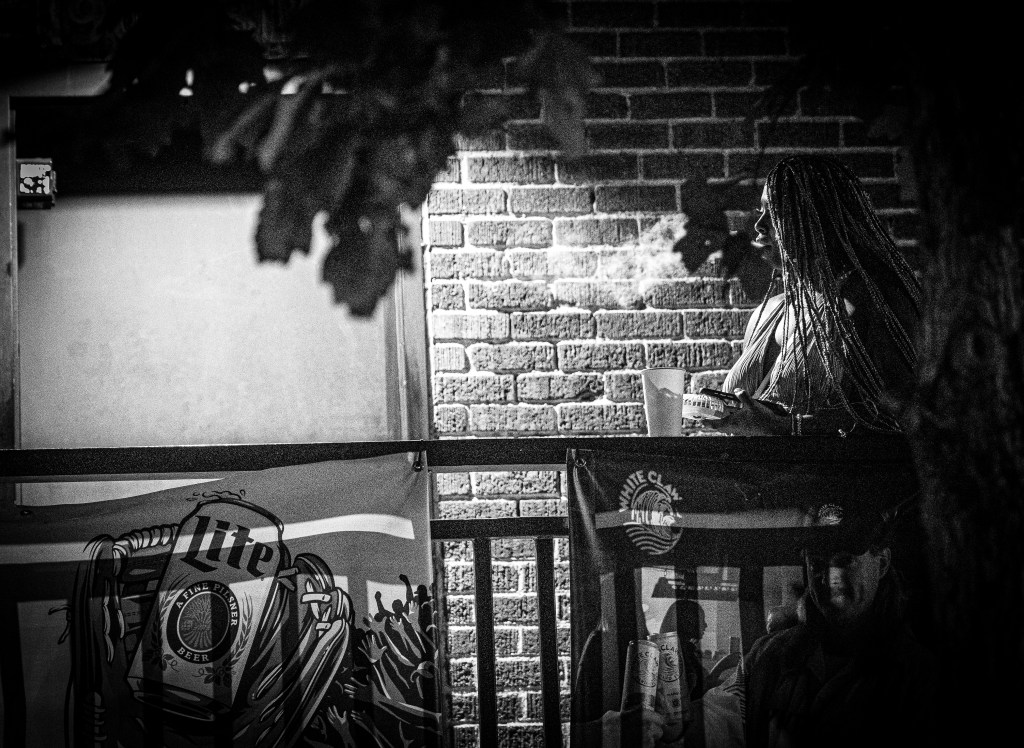
 Denver has a sound all its own. Through my lens, I’ve spent this year capturing the artists, performances, quiet moments and raw energy shaping the city’s independent music culture. Somewhere along the way, I realized I wasn’t just photographing performances—I was documenting a piece of Denver’s culture in real time.
 - Hustle Is an Art Form
 The mind is a beautiful, unpredictable space filled with compartments waiting to be discovered. Through photography and creativity, I’ve learned that resilience is often about finding another angle, another idea, or another way forward. Hustle becomes an art form when creativity, resourcefulness, and survival meet in the resilient mind.
 - Montbello vs. Northfield: A Tough Football Reality
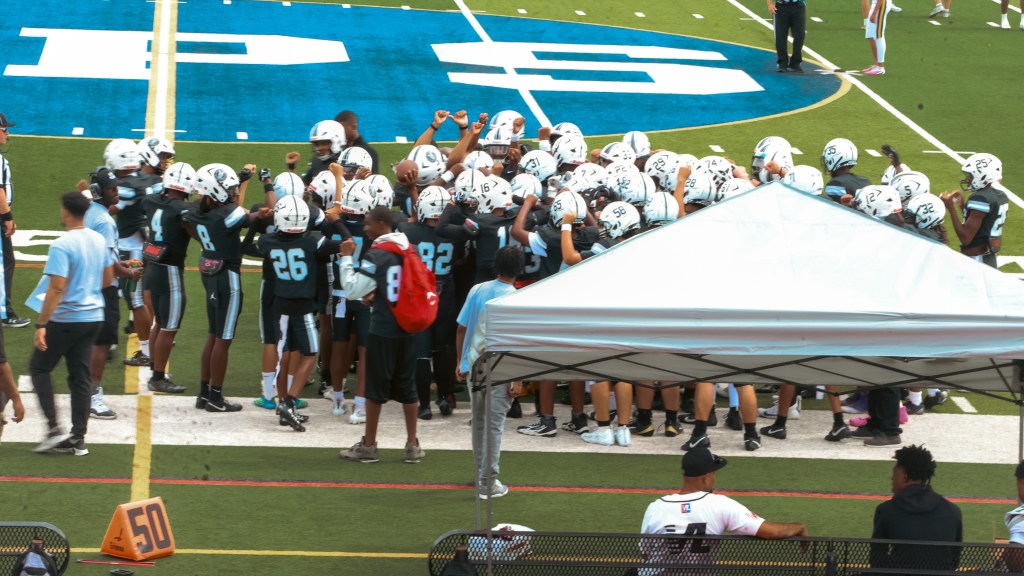
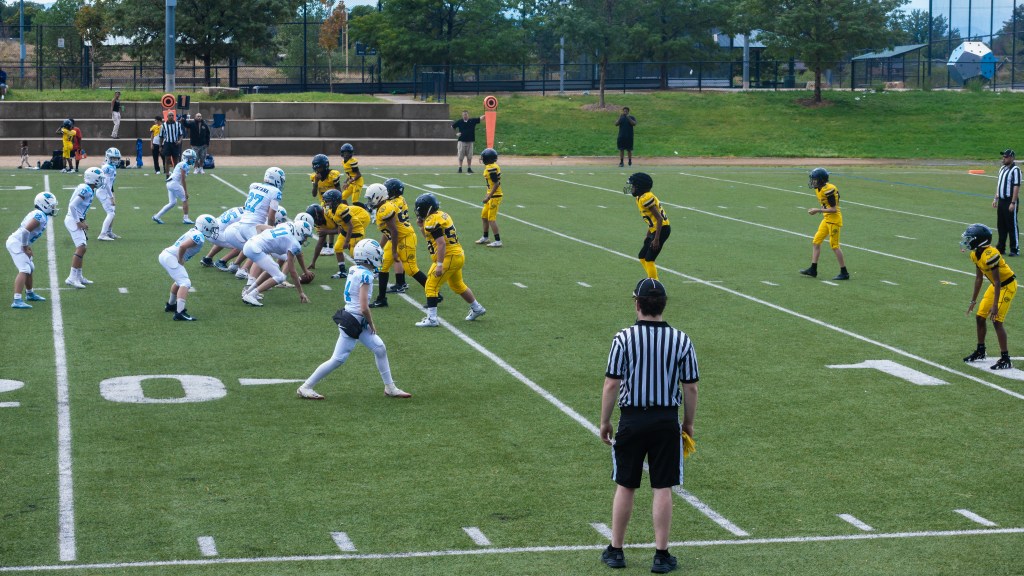
 Football Saturday didn’t go according to plan. After chasing the game across Denver, I finally watched Northfield hand Montbello a tough 49–0 loss. But football—and life—isn’t only about winning. Sometimes you get knocked down. The real test of resilience is learning, adjusting, getting back up, and coming back stronger.




Leave a Reply