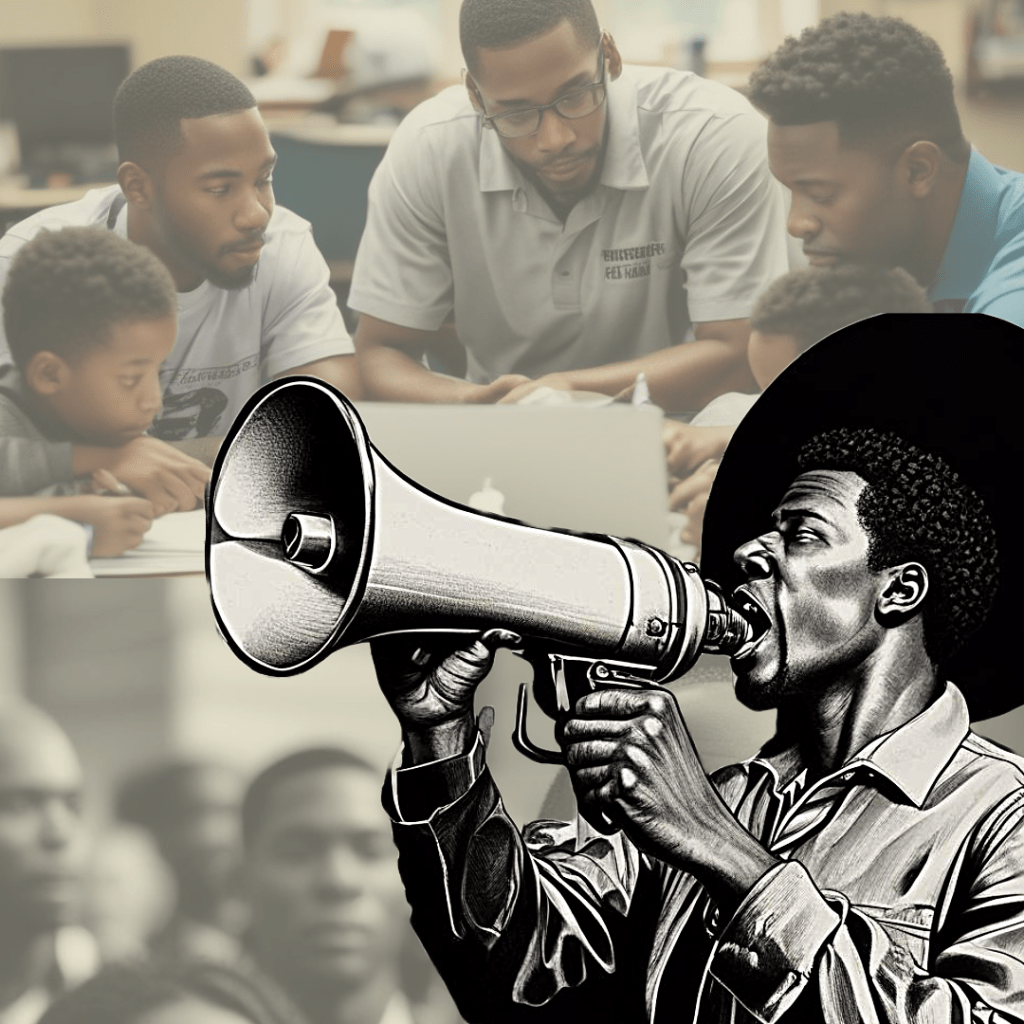
Amplifying the Contributions of Black Men to Our Communities
Despite the negative stereotypes that surround them, Black men continue to stand as pillars in their communities, contributing to societal progress in profound ways. Through philanthropy, community service, youth advocacy, and charitable donations, they embody the spirit of servant leadership, putting others before themselves without expecting praise in return.
In a world where headlines often overlook quiet heroes, their contributions often go unnoticed, hidden behind the noise of media coverage that favors the loudest voices and the most sensational stories. Black men have historically been seen as leaders within their communities, even when their roles are minimized or ignored by the broader public. It’s time for us to use media to shine a light on these unsung heroes.
Media as a Tool for Visibility
Media and social platforms have the power to tell stories that otherwise go unheard. Platforms like Instagram, TikTok, and Facebook can elevate the contributions of Black men, providing a stage for their philanthropy and leadership. The challenge is creating content that not only informs but also inspires action. Whether through a well-curated photo, a moving podcast episode, or a viral video, we have the opportunity to spotlight the quiet strength that Black men bring to their communities.
As Black men use their platforms to support youth through advocacy and mentorship, we must amplify those efforts to ensure their impact resonates beyond local neighborhoods and into the broader consciousness.
The Attitude of Servant Leadership
Servant leadership is a philosophy that prioritizes the growth and well-being of people and communities. Black men have long embodied this philosophy, quietly working to uplift those around them. Whether they’re mentoring young people, advocating for change, or providing financial support to causes that matter, their leadership is driven by a deep-rooted desire to serve others.
This leadership style doesn’t seek recognition or accolades but instead focuses on creating meaningful and lasting change. However, as storytellers and content creators, it is our responsibility to amplify these efforts and ensure their contributions are recognized and appreciated.
The Road Ahead
Moving forward, the goal should be to continue using media as a tool to highlight the servant leadership and contributions of Black men. Through thoughtful content creation, we can challenge the dominant narratives that often overlook the impact of these community leaders. It’s about creating a platform that not only tells their stories but also motivates others to follow in their footsteps.
Let’s ensure the next generation sees these quiet heroes for what they are—leaders, philanthropists, and advocates who are changing the world one small act of service at a time.
- Who’s Making Space for Black Men?
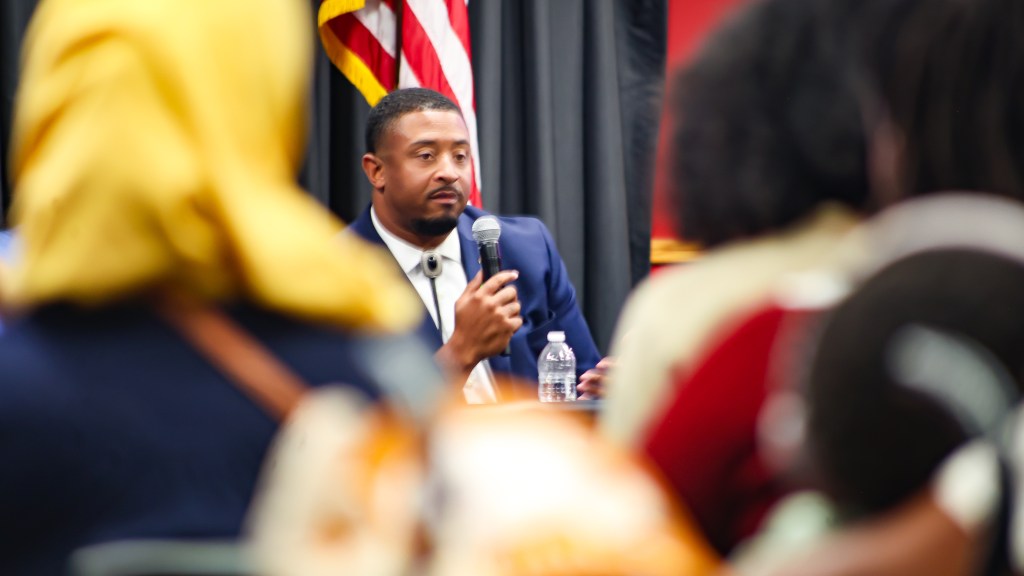
 A Colorado Black Caucus listening session sparked deeper questions about jobs, education, and who makes space for Black men to succeed. Kenny Hopkins reflects on community concerns, civic accountability, and economic opportunity, exploring how paid training, entrepreneurship, and actionable policy can help build stronger families and lasting stability across communities.
 - What If You’re Not Losing—You Just Haven’t Reached the End of the Story Yet?
 Master P wrote about never giving up nearly 20 years ago. Looking at his journey today made me reconsider my own failures, lessons and unfinished story—and what might happen if I simply keep going.
 - Local Artists Through My Lens
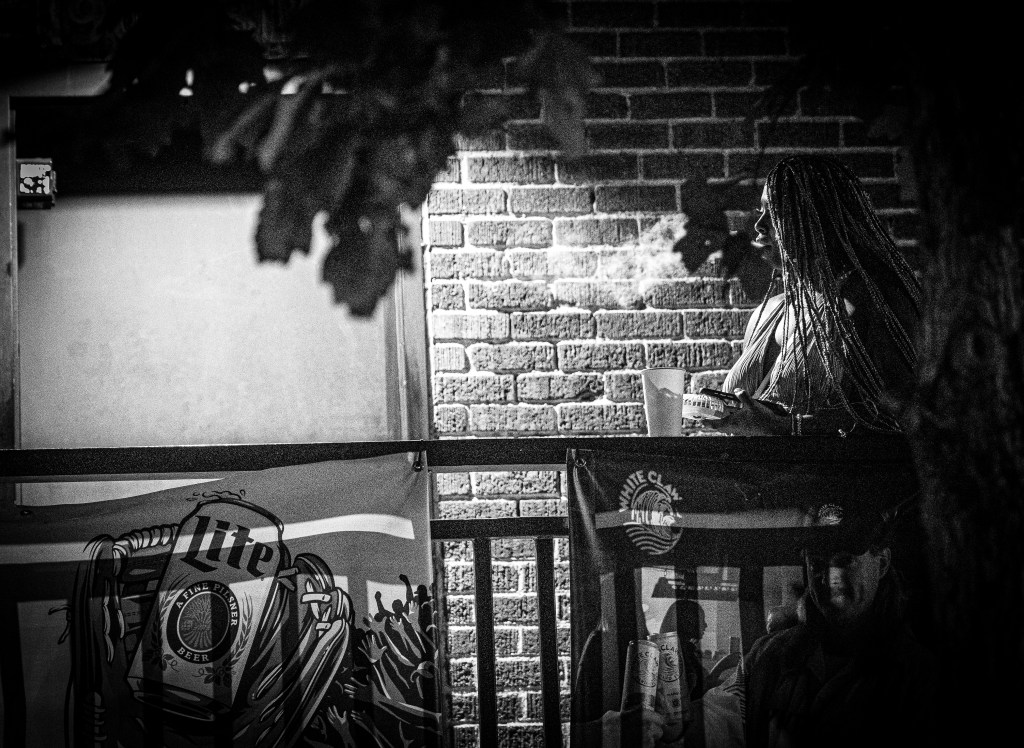
 Denver has a sound all its own. Through my lens, I’ve spent this year capturing the artists, performances, quiet moments and raw energy shaping the city’s independent music culture. Somewhere along the way, I realized I wasn’t just photographing performances—I was documenting a piece of Denver’s culture in real time.
 - Hustle Is an Art Form
 The mind is a beautiful, unpredictable space filled with compartments waiting to be discovered. Through photography and creativity, I’ve learned that resilience is often about finding another angle, another idea, or another way forward. Hustle becomes an art form when creativity, resourcefulness, and survival meet in the resilient mind.
 - Montbello vs. Northfield: A Tough Football Reality
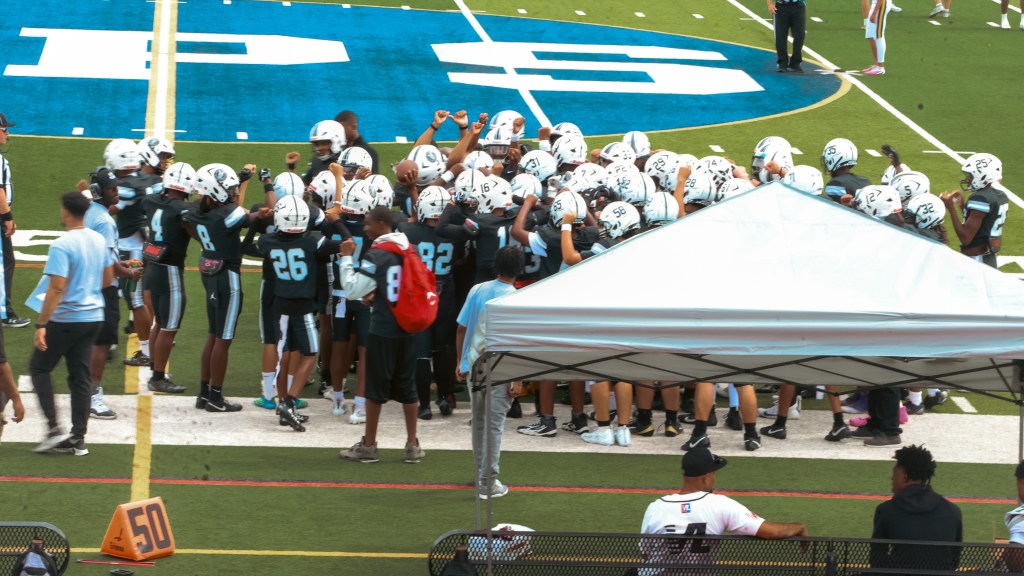
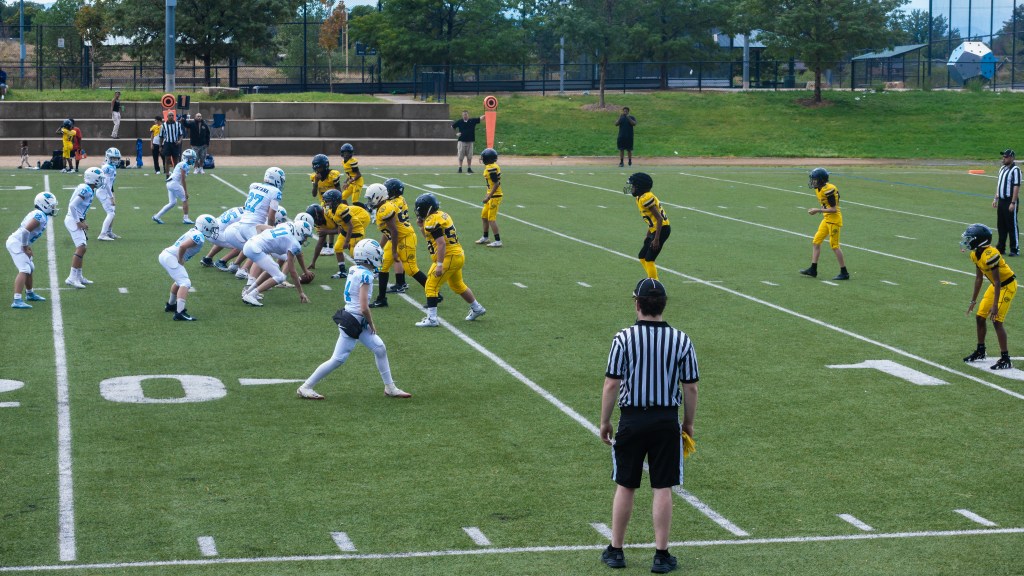
 Football Saturday didn’t go according to plan. After chasing the game across Denver, I finally watched Northfield hand Montbello a tough 49–0 loss. But football—and life—isn’t only about winning. Sometimes you get knocked down. The real test of resilience is learning, adjusting, getting back up, and coming back stronger.




Leave a Reply