
Breaking the Stigma
Mental health is often overlooked among men, with many struggling in silence due to societal expectations and stigmas. Breaking the silence is the first step toward healing. In this blog, we’ll explore the importance of addressing mental health issues among men, why seeking help is vital, and how it’s deeply tied to both financial and family stability.
Statistics on Men and Mental Health Issues
- According to the National Institute of Mental Health, men are less likely to seek mental health support despite experiencing high rates of suicide and depression.
- In the U.S., men account for nearly 75% of all suicides, yet only about 36% of therapy clients are male.
Barriers to Seeking Help
Men often face societal pressures to be “strong” and “self-reliant,” which can prevent them from seeking help. Some common barriers include:
- Social Stigma: The fear of being labeled as weak or incapable.
- Lack of Awareness: Many men don’t recognize the signs of mental health issues.
- Limited Access to Care: Financial limitations and lack of health coverage also play a significant role.
The Link Between Mental Health and Financial/Family Stability
Mental health doesn’t just affect emotional well-being. It can impact performance at work, strain relationships, and create additional financial burdens. Men dealing with mental health challenges often struggle to maintain stable employment, which leads to financial instability and stress at home, further straining family bonds.

Managing your mental health starts with reducing stress, and financial burdens are a big part of that. With Chime Checking Account, you get access to fee-free banking, early paycheck deposits, and automatic savings features that can help relieve financial pressure. Simplifying your finances is one step toward mental clarity.
Start managing your money stress-free today. Open a Chime Checking Account and take control of your financial health.

Mental health means reducing the weight on your shoulders—literally. Smoove Moves is here to help make your move as smooth and easy as possible. With two experienced movers, a 16ft truck, and no deposit required, let us handle the heavy lifting while you focus on your mental well-being.
Book your move with Smoove Moves today and experience stress-free relocation.

DOKs Media Management
Your business deserves attention, but your mental health comes first.
DOKs Media Management can help ease the burden of managing your brand. We handle video editing, media management, and production so you can focus on your mental health while still growing your business.
Let DOKs Media Management take care of the hard work so you can focus on what really matters—your well-being.
Rebuild Your Mind (RYM) Challenge
Mental health is not just a personal journey—it’s a community effort. The Rebuild Your Mind (RYM) Challenge aims to raise awareness about trauma-informed mental health and provide support to those in need. Whether you’ve experienced trauma, stress, or just want to improve your mental wellness, this challenge encourages you to take the first steps toward rebuilding your mind.
How It Works:
The RYM Challenge focuses on engaging individuals and communities in mental health awareness through education, activities, and support groups. Participants are encouraged to share their stories, seek professional help if needed, and support others in their journey toward mental wellness.
Call to Action:
Join the Rebuild Your Mind Challenge and take the first step toward healing. It’s time to prioritize mental health and support one another in this journey.
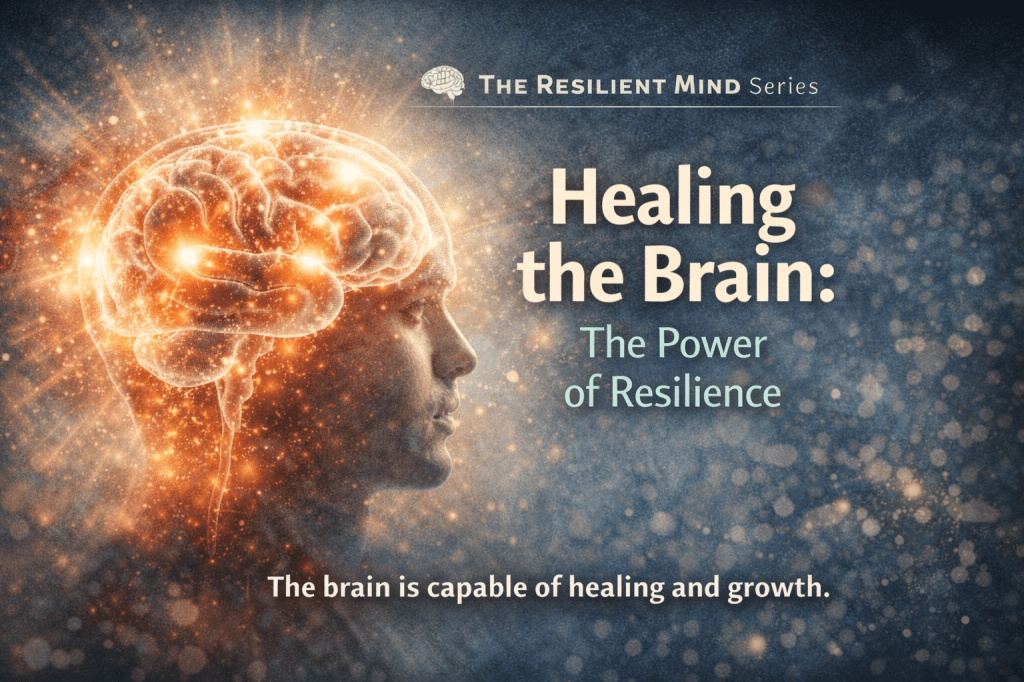
- Healing the Brain: The Power of Resilience
 The brain is incredibly resilient. Even after injury, it can adapt, rebuild connections, and continue healing over time. Recovery may involve therapy, support systems, and lifestyle changes. True resilience means continuing to grow and move forward, even while carrying experiences that have reshaped how we think and live.
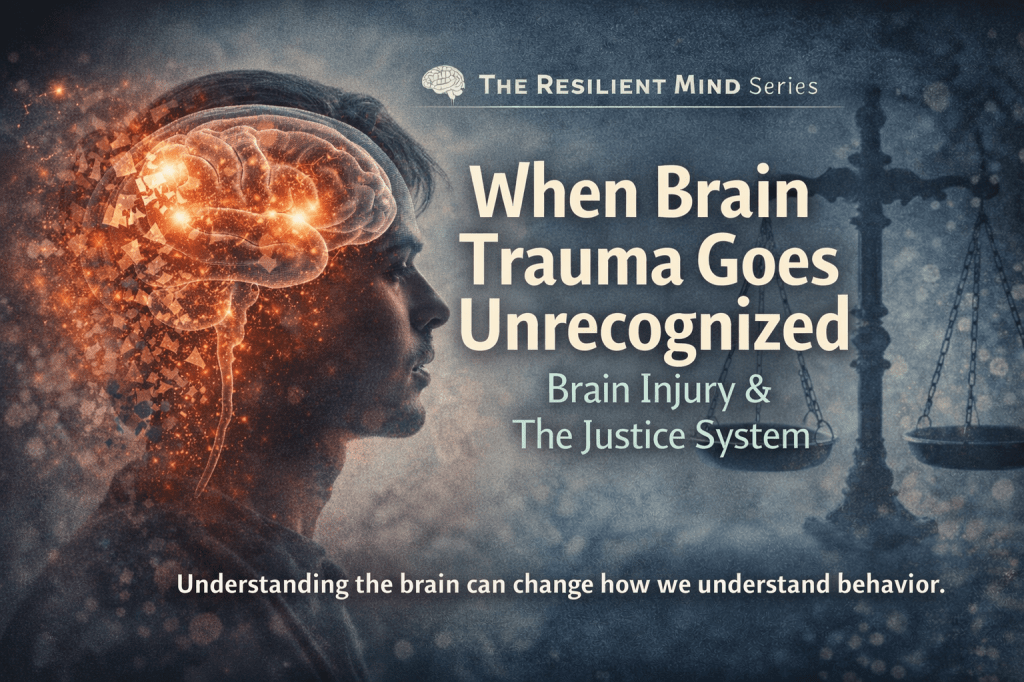
 - When Brain Trauma Goes Unrecognized
 When brain trauma goes unrecognized, people may struggle with impulse control, emotional regulation, and decision-making. These challenges can sometimes lead to misunderstandings or negative outcomes. Greater awareness of brain injuries helps communities and institutions respond with better understanding, support, and more informed approaches to human behavior.
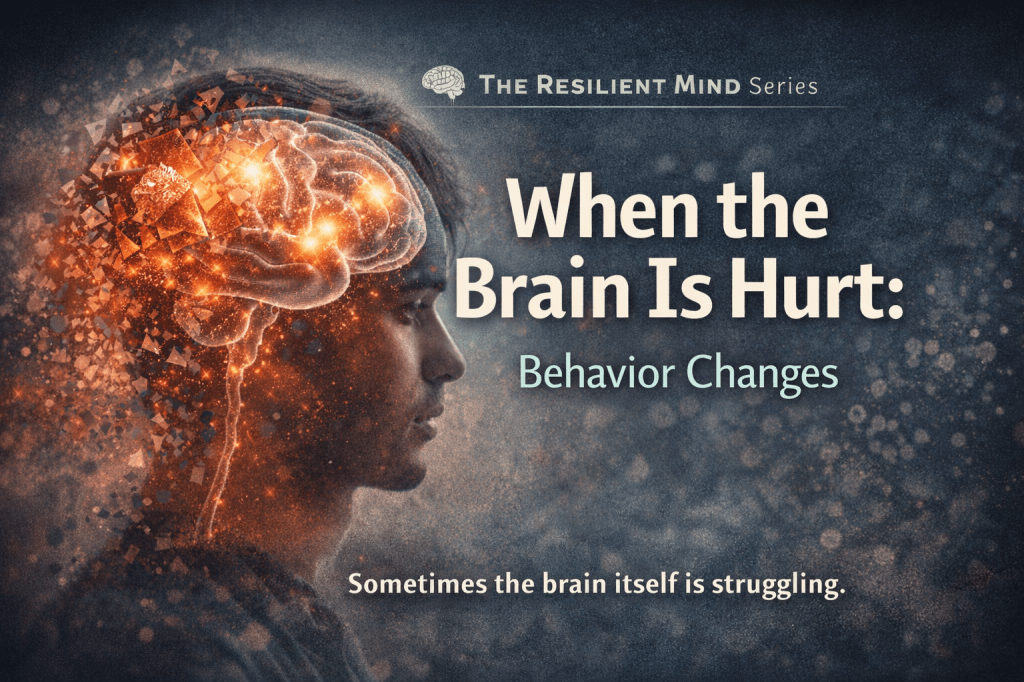
 - When the Brain Is Hurt, Behavior Changes
 Brain injuries can change how people think, react, and regulate their emotions. What looks like anger, distraction, or impulsiveness may actually be the brain struggling to function normally. Understanding the connection between brain health and behavior helps us approach challenges with empathy, awareness, and patience.
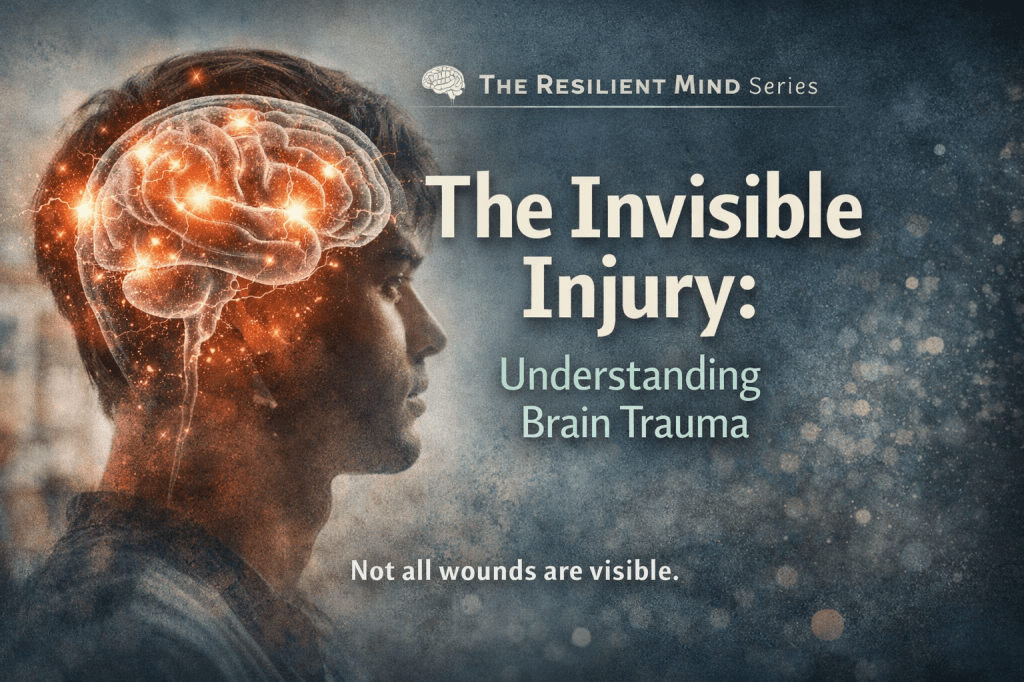
 - The Invisible Injury: Understanding Brain Trauma
 Many injuries are easy to see, but brain trauma often remains invisible. During Brain Injury Awareness Month, we explore how traumatic brain injuries affect the mind, behavior, and daily life. Understanding brain health is an important step toward compassion, awareness, and resilience in ourselves and in the people around us.
 - The Whale as a Classroom
 We fill our lives with noise, distractions, work, conversations, entertainment—anything that keeps us from sitting still long enough to hear what’s actually happening inside us.



 The Resilient Mind
Leave a comment