
Rising Above the Pain
No matter the battles you’ve faced, the trauma you’ve endured, or the scars left behind—victory is possible. The story of Antwone Fisher stands as a powerful testament to this truth, showing us that healing and triumph over adversity are within reach. His journey is one that mirrors the emotional and psychological struggles so many of us face, particularly when childhood trauma leaves deep and lasting wounds.
The Psychological Impact of Childhood Trauma
Childhood trauma often results in emotional scars that can manifest as anger, depression, or a sense of hopelessness. For many, these emotional struggles don’t just disappear with age—they linger, influencing how we view the world, interact with others, and, most importantly, how we see ourselves.
Trauma can make us feel powerless, trapping us in cycles of pain and anger. This is especially true when that trauma comes from those meant to care for us, as it did for Antwone Fisher. He endured severe emotional and physical abuse in foster care, which led to outbursts of anger and feelings of abandonment. His story highlights a critical element of childhood trauma: the deep-rooted sense of unworthiness it can create.
The Link Between Trauma and Anger
Anger is a common byproduct of unresolved trauma, especially when it stems from childhood abuse or neglect. The emotional weight of betrayal, neglect, or violence during formative years can lead to deep-seated rage. It becomes a defense mechanism—a way to shield oneself from further pain. But, as seen in Fisher’s life, anger also becomes a barrier, preventing healing and growth. It can drive individuals to lash out at the world, often at the people who care the most.
However, anger is also a call for help, a manifestation of the pain that lies beneath the surface. Fisher’s journey is a reminder that acknowledging and confronting this anger is an essential step toward healing.
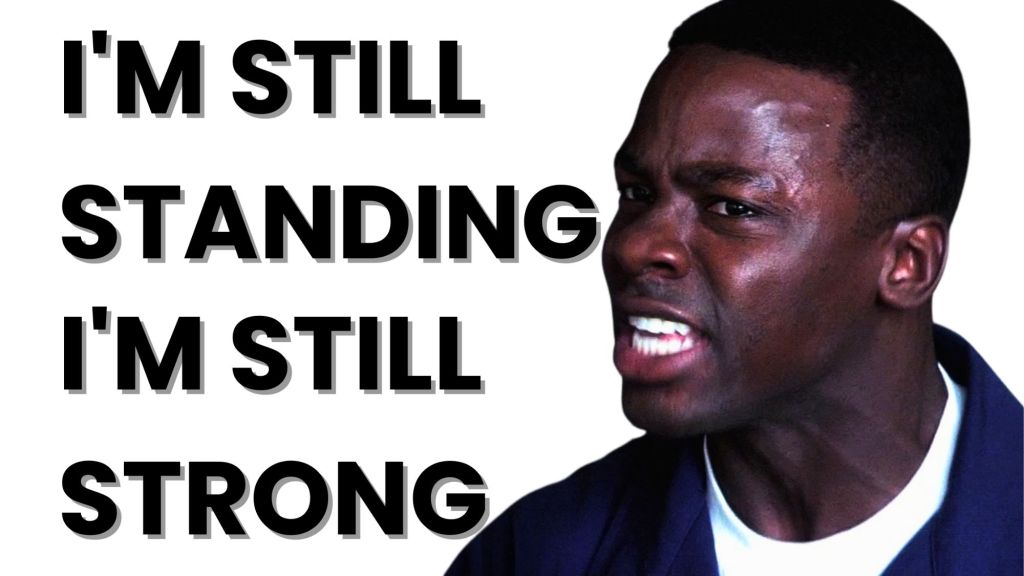
Emotional Struggles and The Road to Personal Growth
Overcoming the emotional aftermath of trauma is not easy. For Fisher, it took introspection, guidance, and the courage to confront his painful past. His journey toward self-discovery and healing didn’t happen overnight. It was a process—one that required patience, forgiveness (both for himself and those who hurt him), and, most importantly, the willingness to face his fears and vulnerabilities head-on.
The anger, the sadness, the self-doubt—these are emotions that many of us face when processing trauma. They don’t simply go away; they require attention and care. For many, therapy, strong support systems, and a commitment to self-improvement can help pave the way to emotional recovery, just as it did for Antwone.
Reclaiming Strength: Triumph Over Adversity
One of the most inspiring elements of Antwone Fisher’s story is his decision to reclaim his narrative. He didn’t allow his past to define his future. He faced the people who hurt him, reliving painful memories, but this time, with the strength to rise above them.
This reclamation of strength is something that we all have the capacity to achieve. No matter the trauma or hardship endured, the process of healing allows us to take back control of our lives. We find new ways to define ourselves—no longer as victims, but as survivors and thrivers.
Victory comes when we decide that the power of our healing is greater than the weight of our pain. Antwone’s story is a profound reminder of this truth: no matter how dark the path may seem, there is always light ahead if we keep moving forward.
Keep Going: Your Victory Is Just Ahead
Your trauma does not have to dictate your future. As Antwone Fisher demonstrated, no amount of pain or hardship can stop the power of healing when you commit to overcoming your struggles. The journey from childhood trauma to personal triumph is possible. It may take time, but every step forward brings you closer to victory.
Keep going, because your victory is just ahead. Embrace your emotional struggles, confront your anger, and know that healing is within your grasp. The scars left behind are not signs of defeat but symbols of strength. Just like Antwone Fisher, you too can reclaim your strength, rise above your pain, and find your own personal triumph.







Leave a Reply