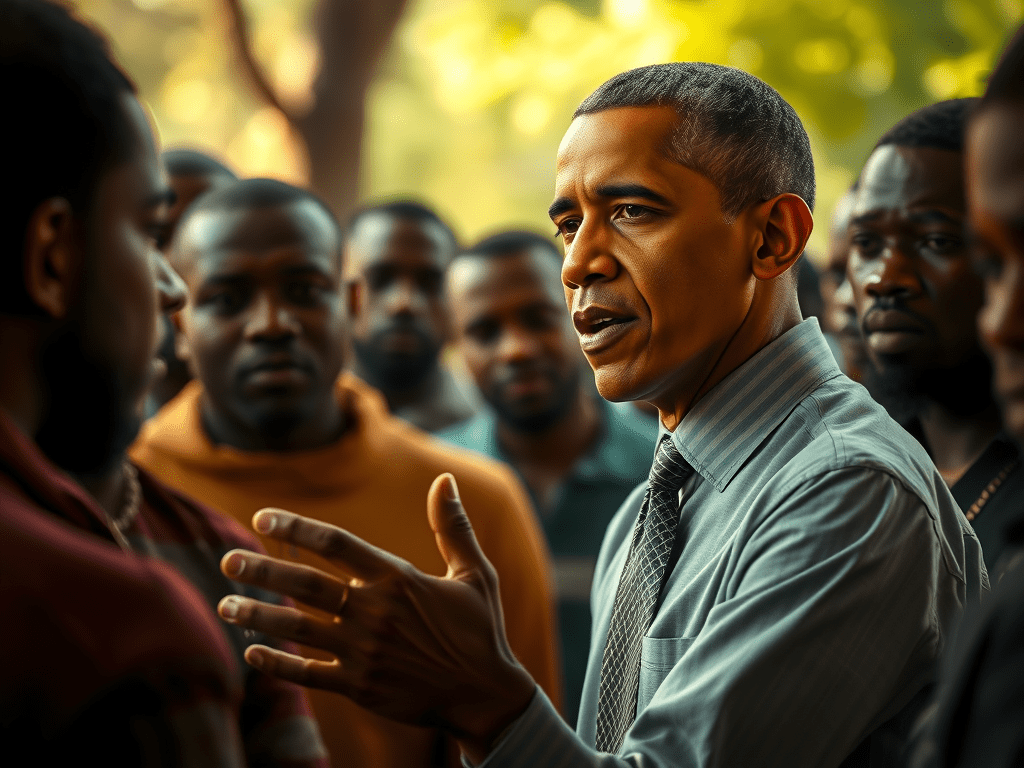
Recently, President Barack Obama made a direct appeal to Black men, urging us to vote for Kamala Harris, using his speech to highlight the contrast between her policies and those of others. But as I listened to his words, I couldn’t help but feel that something crucial was missing from the conversation. While his intention may have been to uplift, it came across as though he was chastising Black men for having their own opinions, for wanting something different for our communities—something more than the same government intervention we’ve seen for years.
In his speech, Obama touched on some critical points that he believes are vital for our neighborhoods and communities:
- Affordable housing, healthcare, education, and ensuring that families, particularly women, are supported.
- He highlighted Kamala Harris’s journey and her commitment to putting forward “concrete proposals” to address these issues.
- He suggested that some men might be hesitant to support Harris due to discomfort with the idea of a woman in power, emphasizing the strength and resilience of women in the Black community.
But there’s more to the story.
While I respect President Obama, I have to push back on some of his points. It’s not about rejecting the leadership of a woman—many of us understand and deeply appreciate the women in our lives who have supported us through struggles. However, there is a broader issue at play here. Black men don’t want more handouts, and we certainly don’t want to be replaced by government programs that make us obsolete in our own families.
Here’s what we want:
- Less government interference in our lives. Too many Black men are jailed for petty reasons, separating them from their families and communities.
- Opportunities, not handouts. Instead of pumping money into banks, we need grant opportunities for small businesses to build wealth and leave legacies for our families.
- Reform the child support system. Why does the government take money meant for our children? Black men shouldn’t be in debt for life, struggling to support their kids while also trying to survive financially.
- Respect our voices. We’re not here to follow the crowd. Black men are trendsetters who think for themselves, and we want leadership that aligns with our values—not more of the same policies that push us aside.
This isn’t about rejecting women or rejecting help—it’s about creating lasting change that empowers Black men to be present in their families and communities.
What we need are real, sustainable opportunities to succeed. We don’t just want money to buy diapers; we want industries that create jobs and build a future. We want criminal justice reform that stops locking us up for minor offenses. And we want policies that support family structures, not break them down.
President Obama’s speech reminds us that the political landscape is complex, but we, as Black men, deserve more than just being told what to do. We deserve to be listened to.


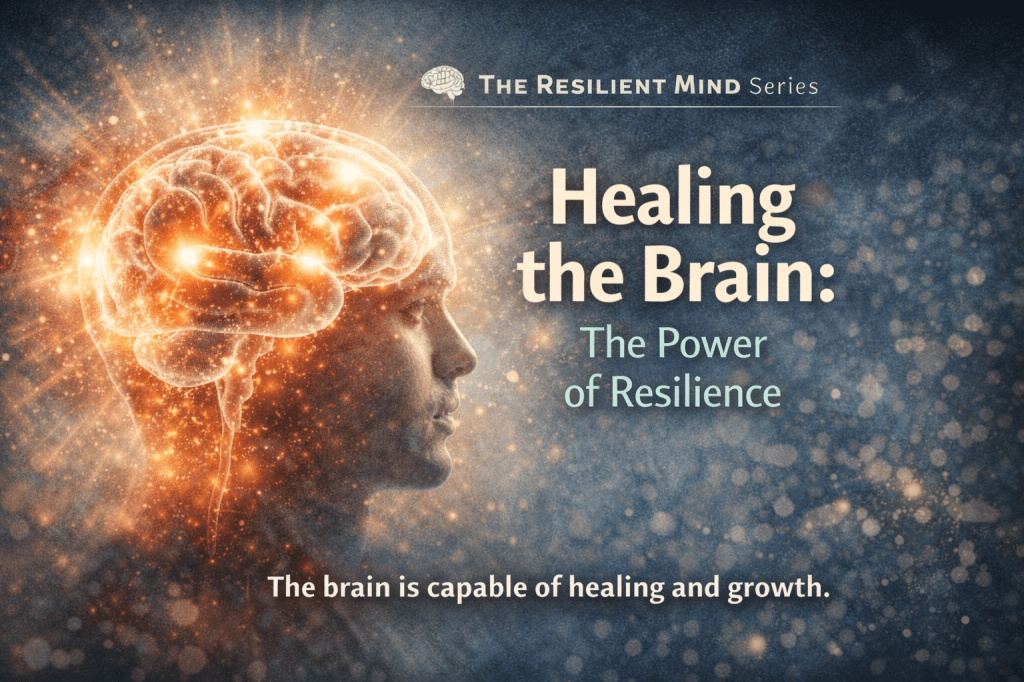
- Healing the Brain: The Power of Resilience
 The brain is incredibly resilient. Even after injury, it can adapt, rebuild connections, and continue healing over time. Recovery may involve therapy, support systems, and lifestyle changes. True resilience means continuing to grow and move forward, even while carrying experiences that have reshaped how we think and live.
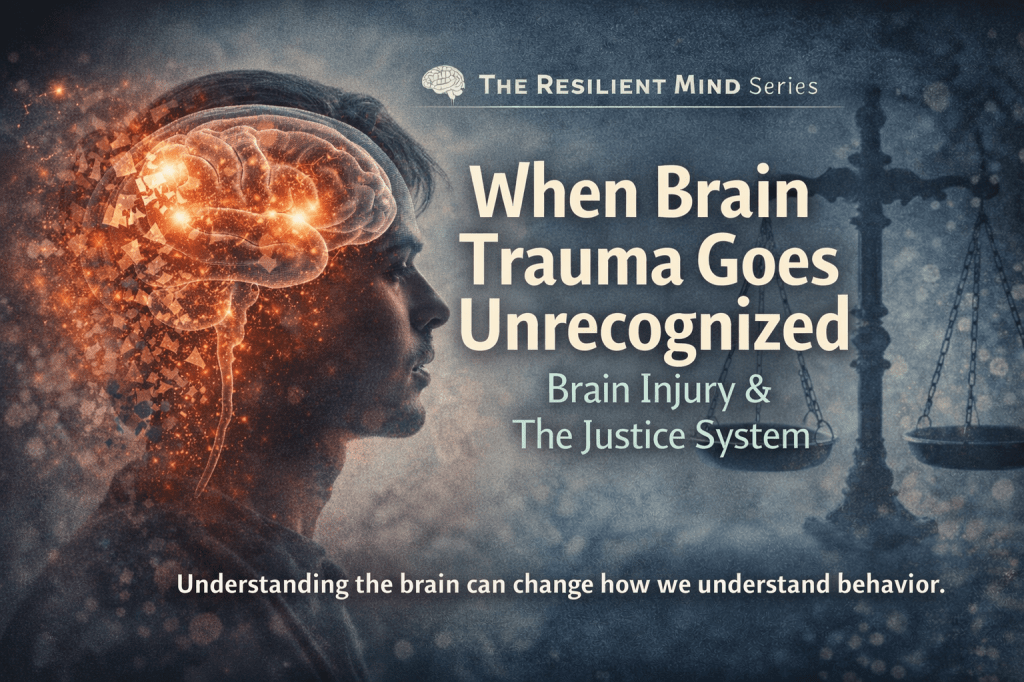
 - When Brain Trauma Goes Unrecognized
 When brain trauma goes unrecognized, people may struggle with impulse control, emotional regulation, and decision-making. These challenges can sometimes lead to misunderstandings or negative outcomes. Greater awareness of brain injuries helps communities and institutions respond with better understanding, support, and more informed approaches to human behavior.
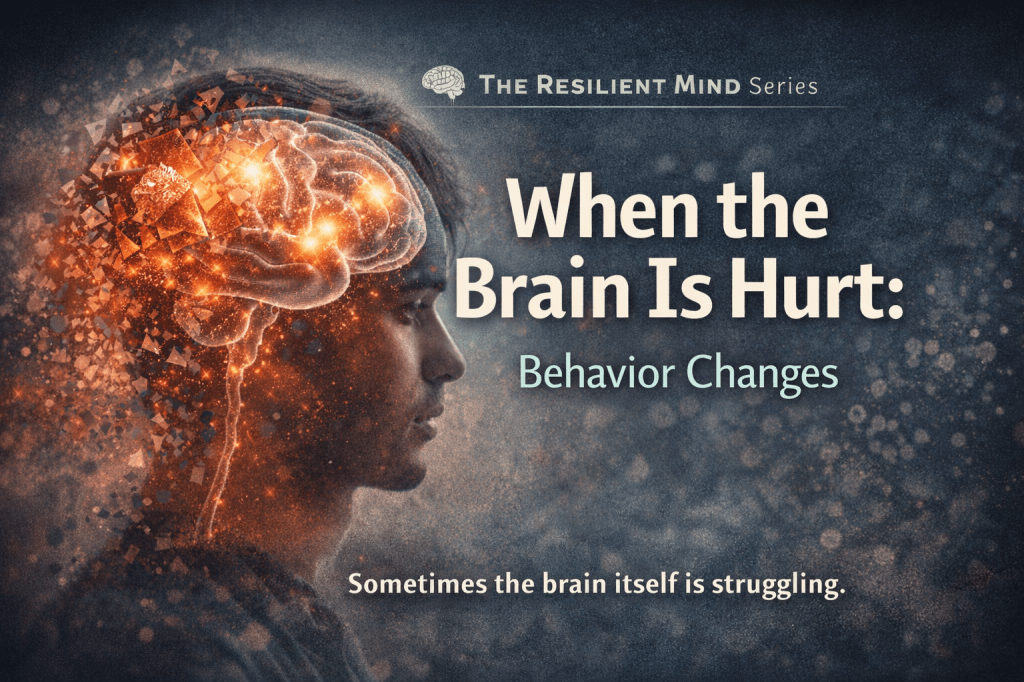
 - When the Brain Is Hurt, Behavior Changes
 Brain injuries can change how people think, react, and regulate their emotions. What looks like anger, distraction, or impulsiveness may actually be the brain struggling to function normally. Understanding the connection between brain health and behavior helps us approach challenges with empathy, awareness, and patience.
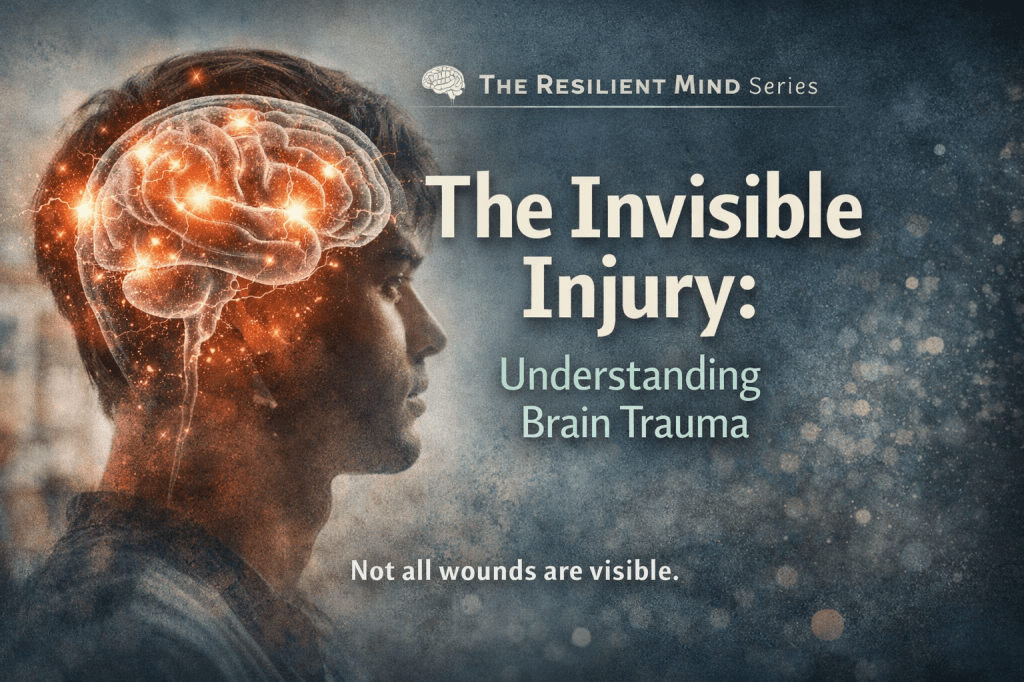
 - The Invisible Injury: Understanding Brain Trauma
 Many injuries are easy to see, but brain trauma often remains invisible. During Brain Injury Awareness Month, we explore how traumatic brain injuries affect the mind, behavior, and daily life. Understanding brain health is an important step toward compassion, awareness, and resilience in ourselves and in the people around us.
 - The Whale as a Classroom
 We fill our lives with noise, distractions, work, conversations, entertainment—anything that keeps us from sitting still long enough to hear what’s actually happening inside us.



 The Resilient Mind
Leave a comment