- Healing the Brain: The Power of Resilience
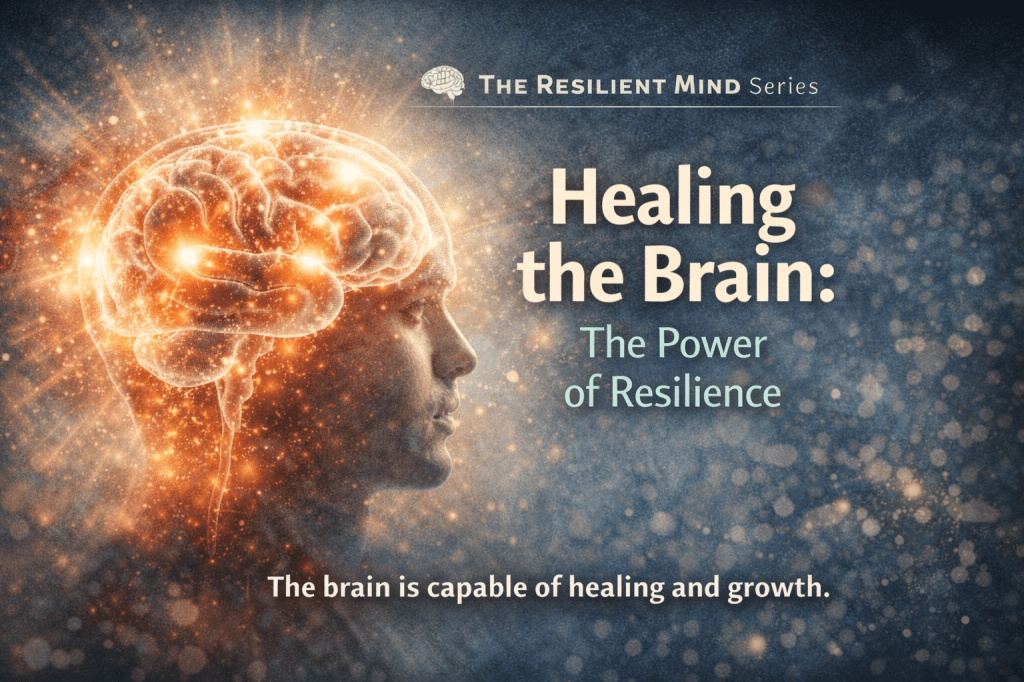
The Resilient Mind Series
Understanding Brain Injury — Post 4
Throughout this series, we’ve explored what brain injuries are, how they can affect behavior, and why awareness matters when these injuries go unrecognized.
But there is another important part of the conversation that deserves attention: healing.
The human brain is remarkably resilient.
Even after injury, the brain has the ability to adapt, rebuild connections, and develop new pathways. This ability, often referred to as neuroplasticity, allows the brain to continue learning and recovering long after trauma has occurred.
Many people living with Traumatic Brain Injury (TBI) find that recovery is not always immediate. In some cases, healing happens gradually over time through a combination of support, lifestyle adjustments, and rehabilitation.
Recovery can include:
- Cognitive Therapy and Rehabilitation
- Mental Health Support
- Rest and Proper Sleep
- Stress Management
- Physical Activity and Healthy Routines
- Community Support and Understanding
Healing from a brain injury does not always mean returning to life exactly as it was before the injury occurred.
Sometimes healing means learning new strategies to manage challenges. It can involve developing new ways of thinking, working, and responding to stress.
Resilience does not mean pretending nothing happened.
True resilience is the ability to move forward with awareness, adapting and growing despite the obstacles we face.
Understanding brain health allows individuals and communities to create environments where recovery is possible. When people feel supported, understood, and encouraged, the path toward healing becomes much clearer.
The brain is not only capable of injury.
It is also capable of growth.
And sometimes the most powerful form of strength is simply continuing forward, one step at a time.
Interested in a Brain Injury Screening?
Brain injuries often go unnoticed for years.
If you or someone you know has experienced head trauma, memory issues, emotional changes, or difficulty concentrating, it may be worth learning more.
If you are interested in a Traumatic Brain Injury (TBI) screening, leave your information below and someone will reach out to you shortly.
Please include:
A member of our team will follow up with you to discuss available resources and next steps.
Understanding the brain is the first step toward healing.
- (no title)
 Terrence Howard has undoubtedly cemented his place as one of the greatest actors of our time, at least in my book. As I dive into his mesmerizing performances and listen to his insightful interviews, I am in awe of how effortlessly his acting style flows, blurring the line between reality and fiction.
 - (no title)
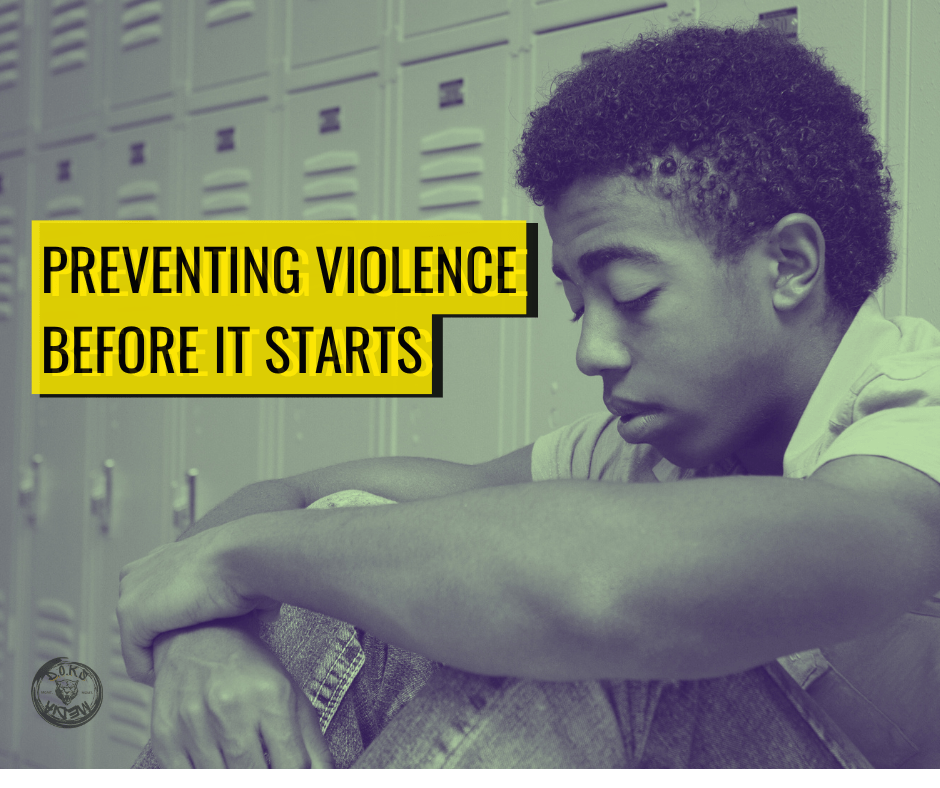 In many American cities, youth violence is on the rise, and for countless young men, the journey toward anger and violence often begins long before they encounter the law. These are boys who, while not yet criminally involved, are frequently labeled as “troubled” and face repeated disciplinary actions. Unfortunately, traditional responses like suspensions and punitive measures often exacerbate their feelings of isolation and resentment, pushing them further away from constructive pathways.
- Healing the Brain: The Power of Resilience
 The brain is incredibly resilient. Even after injury, it can adapt, rebuild connections, and continue healing over time. Recovery may involve therapy, support systems, and lifestyle changes. True resilience means continuing to grow and move forward, even while carrying experiences that have reshaped how we think and live.
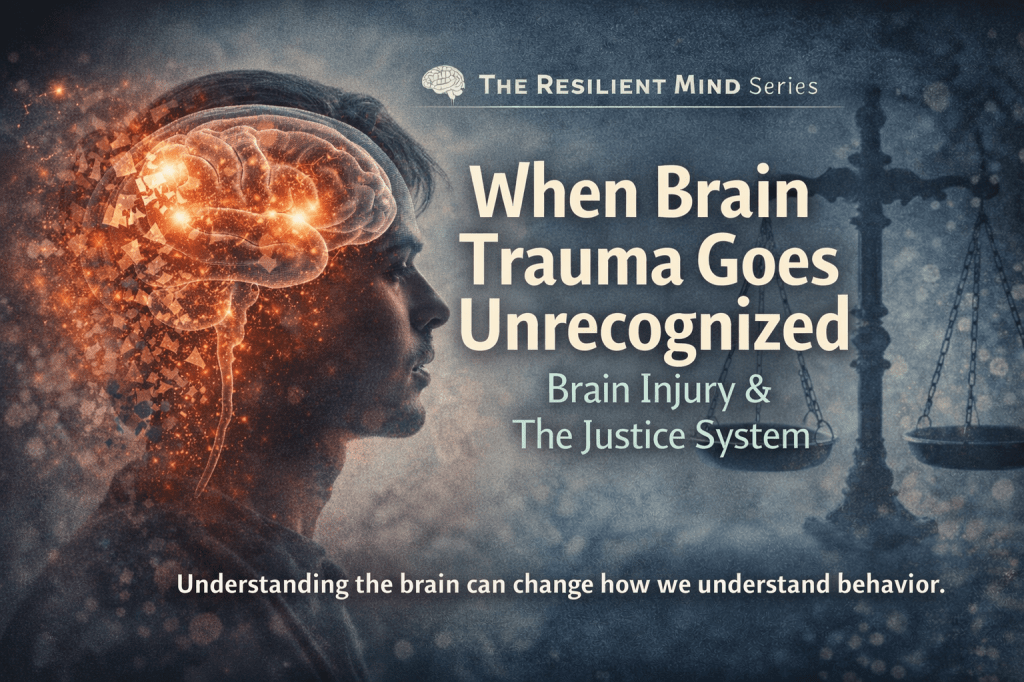
 - When Brain Trauma Goes Unrecognized
 When brain trauma goes unrecognized, people may struggle with impulse control, emotional regulation, and decision-making. These challenges can sometimes lead to misunderstandings or negative outcomes. Greater awareness of brain injuries helps communities and institutions respond with better understanding, support, and more informed approaches to human behavior.
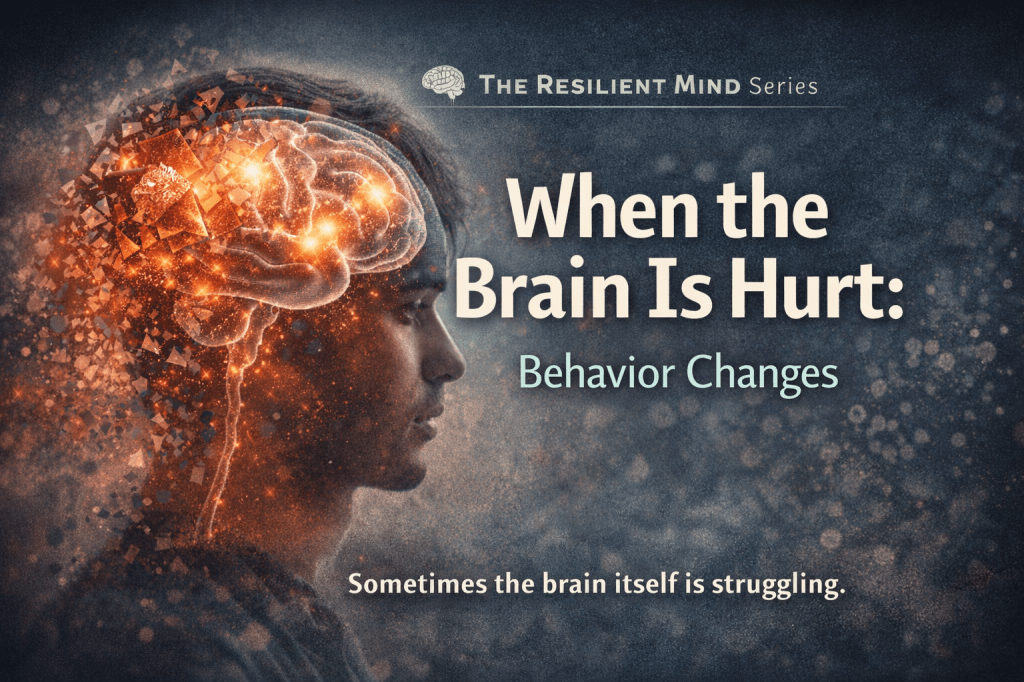
 - When the Brain Is Hurt, Behavior Changes
 Brain injuries can change how people think, react, and regulate their emotions. What looks like anger, distraction, or impulsiveness may actually be the brain struggling to function normally. Understanding the connection between brain health and behavior helps us approach challenges with empathy, awareness, and patience.
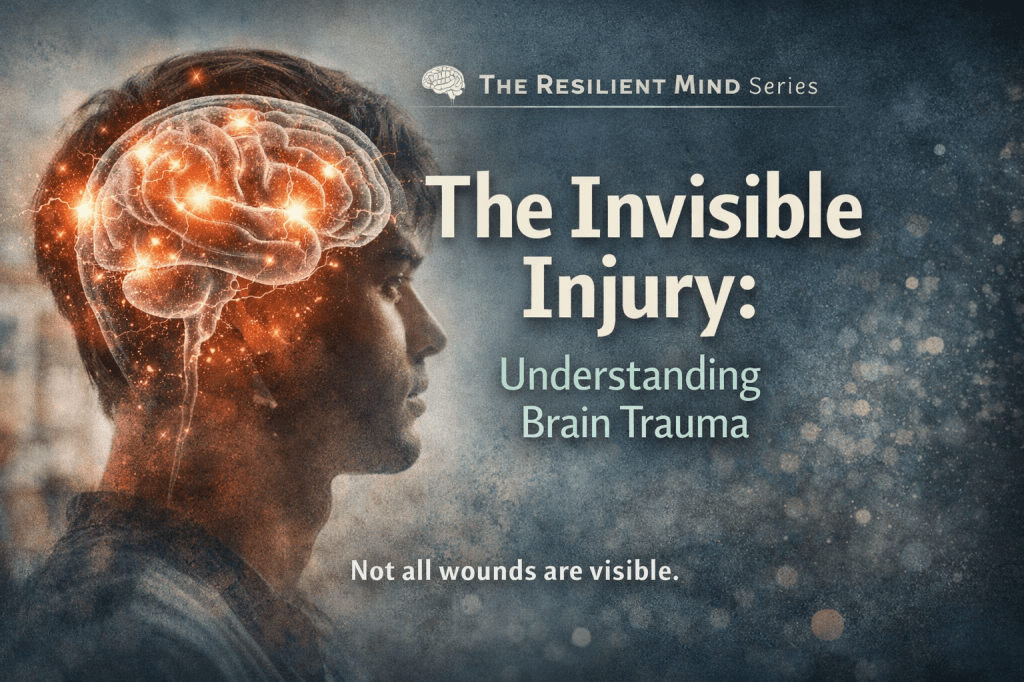
 - The Invisible Injury: Understanding Brain Trauma
 Many injuries are easy to see, but brain trauma often remains invisible. During Brain Injury Awareness Month, we explore how traumatic brain injuries affect the mind, behavior, and daily life. Understanding brain health is an important step toward compassion, awareness, and resilience in ourselves and in the people around us.
 - The Whale as a Classroom
 We fill our lives with noise, distractions, work, conversations, entertainment—anything that keeps us from sitting still long enough to hear what’s actually happening inside us.
 - The Whale as a Classroom
 Sometimes life slows down in ways we didn’t expect. When distractions fade and momentum disappears, it can feel like confinement. But what if those quiet seasons are not punishment, but preparation? The moments where life forces us to sit still may be the very moments where the most important lessons begin.
 - Mistaking Help for Healing
 Sometimes what feels like progress is simply the pressure being postponed. The situation improves, but the patterns that created the problem remain untouched.
 - Mistaking Help for Healing
 Sometimes the pressure lifts and we think the problem is solved. But relief is not the same as healing. Relief removes the immediate weight, while healing changes the habits, thinking, and discipline that created the pressure in the first place. Without that internal shift, we’re not healed—we’re simply borrowing time.
 - The Quiet Work
 When life gets quiet, it’s easy to assume something is wrong. But what if silence isn’t punishment — it’s preparation? In this reflection, we explore why still seasons shape discipline, clarity, and self-mastery, and why some of the most important growth happens long before anyone sees it.



 The Resilient Mind