Empowering Young Men to Rise Above Anger
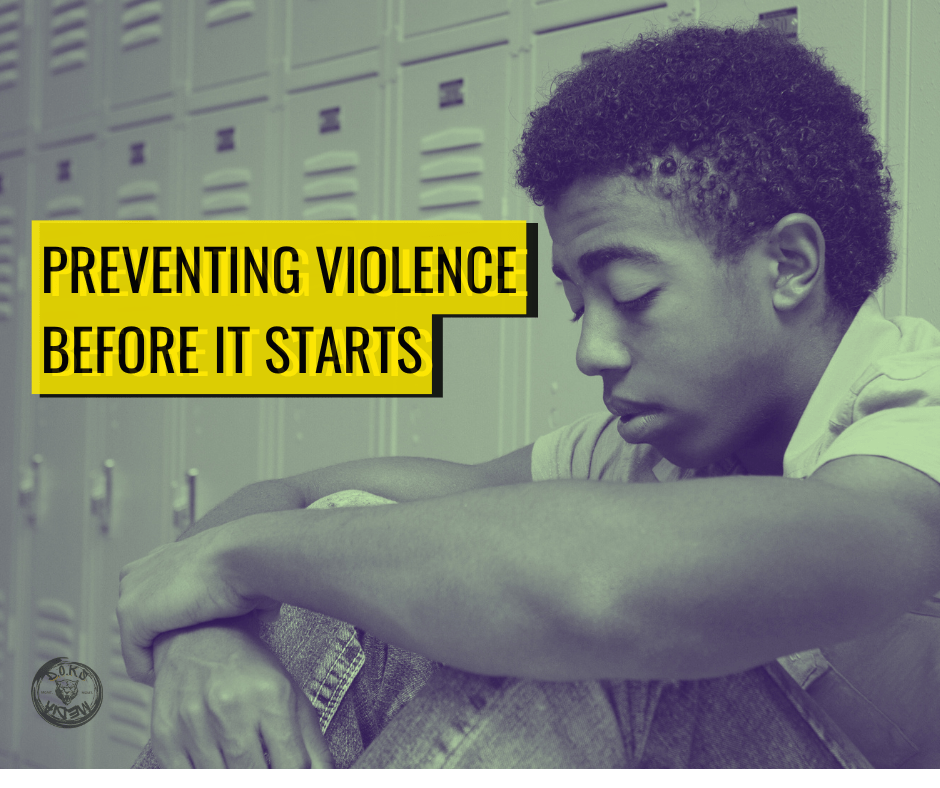
In many cities across America, the rising tide of youth violence has become a growing concern. For some young men, the path toward anger, resentment, and ultimately violence begins long before they pick up a weapon. These are often boys who, while not yet involved in violent crime, are labeled as “troubled.” They’re the ones sent to the office for disruption, suspended for behavioral issues, or eventually placed in alternative schools. While punishment may seem like a solution, it often pushes them further into isolation, resentment, and frustration.
At The Descendants of Kings Foundation, we believe that the journey toward violence is preventable—and that intervention, early on, can make a critical difference.
The Correlation Between Teen Violence and Lack of Resources
There’s a clear correlation between teen gun violence and the lack of resources available to young men in underserved communities. When teens, especially those already considered “at-risk,” lack access to supportive environments, they may turn to dangerous alternatives like gang involvement or violent behavior. But how does this happen?
1. Educational Disengagement:
Suspension, expulsion, or placement in alternative schools often leads to educational disengagement. These young men feel cut off from their peers and a sense of belonging, which school should ideally provide. With no opportunities to redirect their energy positively, frustration grows. Over time, resentment builds, creating the perfect breeding ground for anger that, left unchecked, can lead to violence.
- Students who are suspended or expelled are nearly three times more likely to be in contact with the juvenile justice system within the following year (Council on State Governments, 2014). This demonstrates how educational disengagement can increase the risk of future violence.
2. Lack of Role Models and Mentorship:
Many of these young men don’t have access to strong, positive role models who can guide them through life’s challenges. When their family structures are fractured, and their community offers few safe spaces, they look for role models elsewhere—often on the streets, where dangerous influences lie in wait. Without mentorship or guidance, the sense of belonging they seek can be found in the wrong places.
- Youth who have mentors are 55% more likely to enroll in college, 78% more likely to volunteer regularly, and 130% more likely to hold leadership positions (Mentor National, 2018). This shows how mentorship can change the trajectory of young men’s lives, steering them away from violence.
3. Mental Health Neglect:
Emotional trauma and mental health struggles are frequently left unaddressed, especially in boys. Many troubled young men struggle with undiagnosed conditions like depression, PTSD, or anxiety. Without adequate access to mental health services, they suppress their feelings until they explode in destructive ways. Anger becomes their defense mechanism, and violence becomes their outlet.
- Approximately 50% of youth in the juvenile justice system have been diagnosed with a mental health disorder (National Center for Mental Health and Juvenile Justice, 2016). Addressing mental health early can prevent escalation into violent behavior.
4. Economic Frustration:
Many at-risk youth grow up in environments where poverty limits their prospects for the future. Feeling trapped by a lack of opportunity, they may turn to violence as a means of exerting control or power over their situation. This sense of hopelessness is a major factor driving youth toward gun violence.
- Youth from low-income families are five times more likely to commit crimes than their wealthier peers (National Bureau of Economic Research, 2016). This underscores how economic disadvantage can push young men towards crime and violence, highlighting the importance of programs that promote economic empowerment and entrepreneurship.
5. Gang Involvement and Violent Behavior:
When young men don’t have access to positive role models and supportive resources, they may turn to gangs to fill that void. However, the violent behavior often associated with gang membership can have lifelong consequences.
- Youth who join gangs are 60% more likely to be involved in violent behavior (National Institute of Justice, 2018). Providing alternatives like community programs can help prevent gang affiliation and the associated violence.
What If We Intervened Sooner?
Instead of waiting for these troubled young men to reach the point of no return, what if we reached them while they were still in school? What if, instead of sending them home with a suspension, we offered them mentorship, leadership opportunities, and the skills to pursue entrepreneurship?
At The Descendants of Kings Foundation, we believe in providing the support they need before their frustration turns to violence. Our program is designed to catch these young men before they reach that breaking point. We offer a space where they can learn valuable life skills, find positive role models, and gain a sense of direction and purpose.
A Call to Action: Empowering Young Men
It’s time for our city to recognize the importance of resources in preventing violence. We need to stop pushing our young men further away when they show signs of trouble and instead bring them closer. Programs like Descendants of Kings are built to do just that—by giving young men a chance to turn their lives around before it’s too late.
Our program focuses on three core pillars: Education, Leadership, and Entrepreneurship. Each a tool to empower young men and guide them toward a brighter future. Through mentoring, self-awareness exercises, and business skills training, we offer young men a way to transform their lives, rise above anger, and discover their potential.
If you’re a parent, teacher, community member, or local leader, join us in this mission. Let’s provide our young men with the resources they need to grow, thrive, and leave the cycle of violence behind. Together, we can help them rise above the anger, harness their strength, and become leaders in our community.
Let’s catch them before it’s too late.
- Who’s Making Space for Black Men?
 A Colorado Black Caucus listening session sparked deeper questions about jobs, education, and who makes space for Black men to succeed. Kenny Hopkins reflects on community concerns, civic accountability, and economic opportunity, exploring how paid training, entrepreneurship, and actionable policy can help build stronger families and lasting stability across communities.
 - What If You’re Not Losing—You Just Haven’t Reached the End of the Story Yet?
 Master P wrote about never giving up nearly 20 years ago. Looking at his journey today made me reconsider my own failures, lessons and unfinished story—and what might happen if I simply keep going.
 - Local Artists Through My Lens
 Denver has a sound all its own. Through my lens, I’ve spent this year capturing the artists, performances, quiet moments and raw energy shaping the city’s independent music culture. Somewhere along the way, I realized I wasn’t just photographing performances—I was documenting a piece of Denver’s culture in real time.
 - Hustle Is an Art Form
 The mind is a beautiful, unpredictable space filled with compartments waiting to be discovered. Through photography and creativity, I’ve learned that resilience is often about finding another angle, another idea, or another way forward. Hustle becomes an art form when creativity, resourcefulness, and survival meet in the resilient mind.
 - Montbello vs. Northfield: A Tough Football Reality
 Football Saturday didn’t go according to plan. After chasing the game across Denver, I finally watched Northfield hand Montbello a tough 49–0 loss. But football—and life—isn’t only about winning. Sometimes you get knocked down. The real test of resilience is learning, adjusting, getting back up, and coming back stronger.










Leave a Reply