Reflections on community listening, economic opportunity, and the policy work ahead
It’s voting season, so you know the politicians are out politicin’.
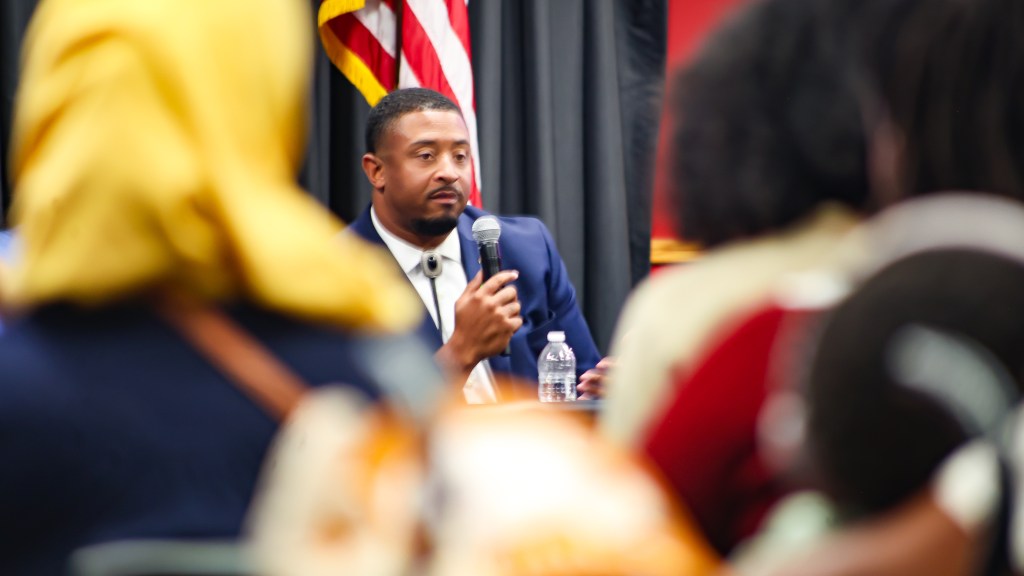
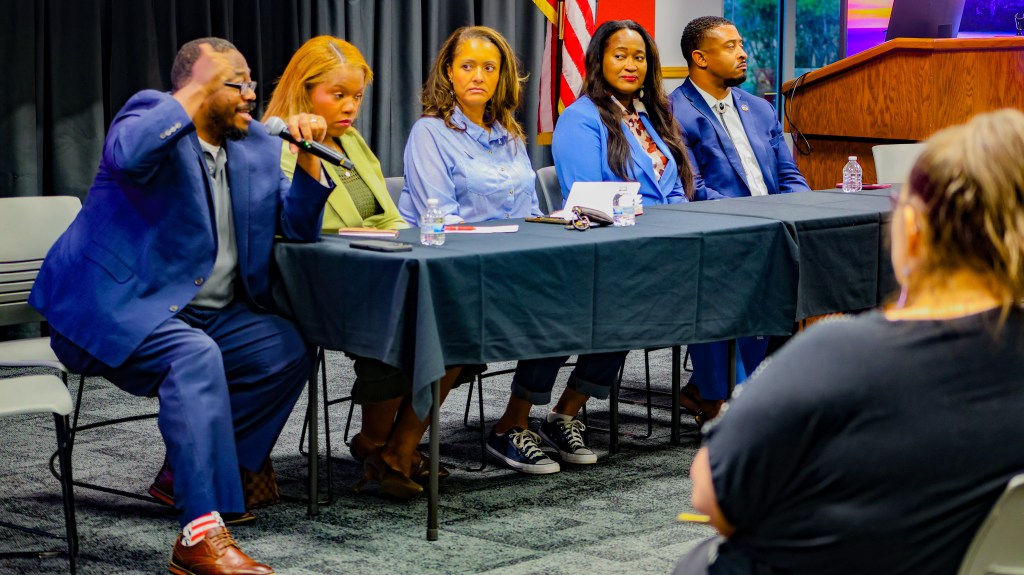
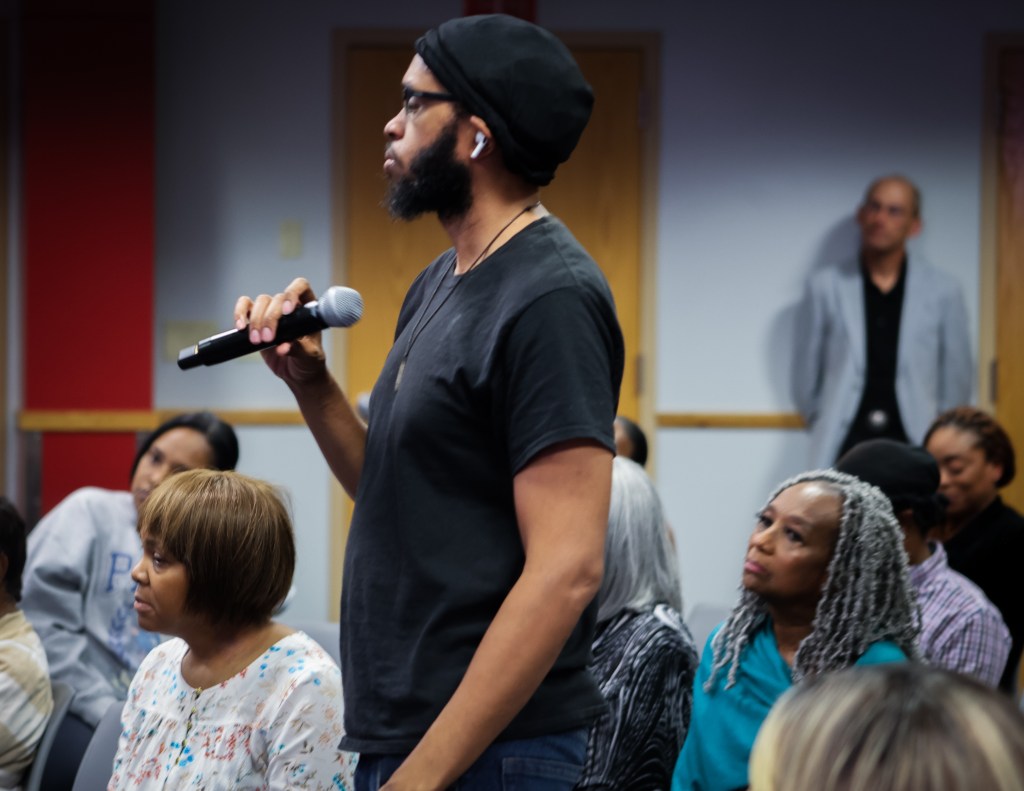
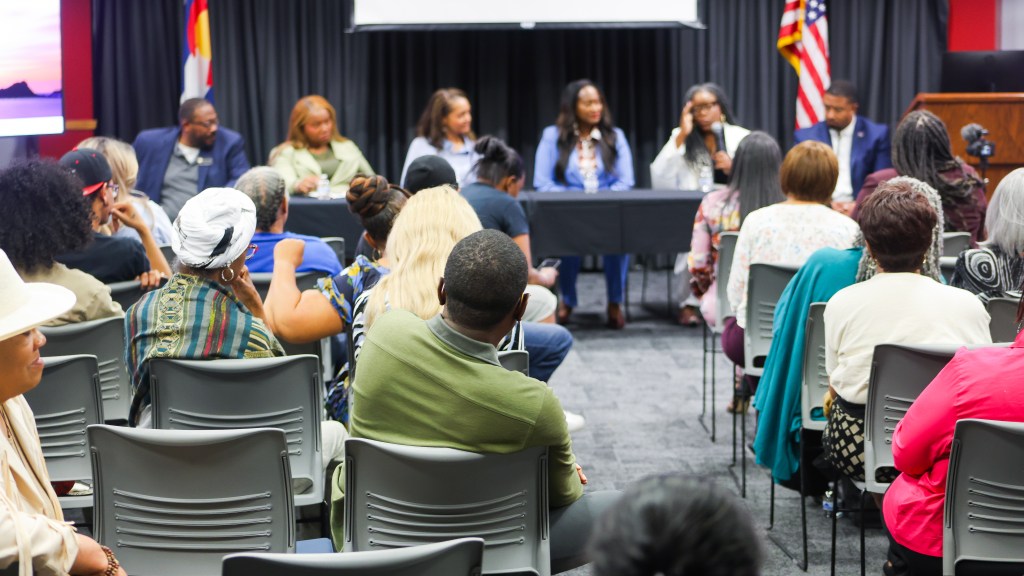
I recently attended a listening session with members of the Colorado Black Caucus. I went to hear what the community was talking about, listen to the politicians, and catch a vibe about where the conversation was headed.
But my reason for being there goes deeper than election season.
I’ve always had an ambition to get involved in local government, possibly city council, and become a policymaker focused on jobs and wealth generation. I want to help create opportunities that include Black men and give them room to build, contribute, and lead.
Before I pursue that work, I need to listen. What are people experiencing? What do they need? Where are the gaps between the conversations we keep having and the results people can actually feel?
Showing Up Beyond One Room
One comment from the session stayed with me:
“Don’t just show up when it’s the Black Caucus.”
That’s a fair challenge.
I rarely hear about some of these meetings until they are happening or already over. Still, I have a responsibility to become more intentional about finding them. I’m going to keep my ear to the street and pay closer attention to where decisions are being discussed.
We need to show up consistently. City council meetings, school board meetings, public hearings, neighborhood conversations—our concerns belong wherever policies, budgets, and opportunities are being shaped.
And we need to hold everybody accountable. Showing up means asking questions, following decisions, and checking whether commitments turn into action.
Real Concerns Deserve Actionable Steps
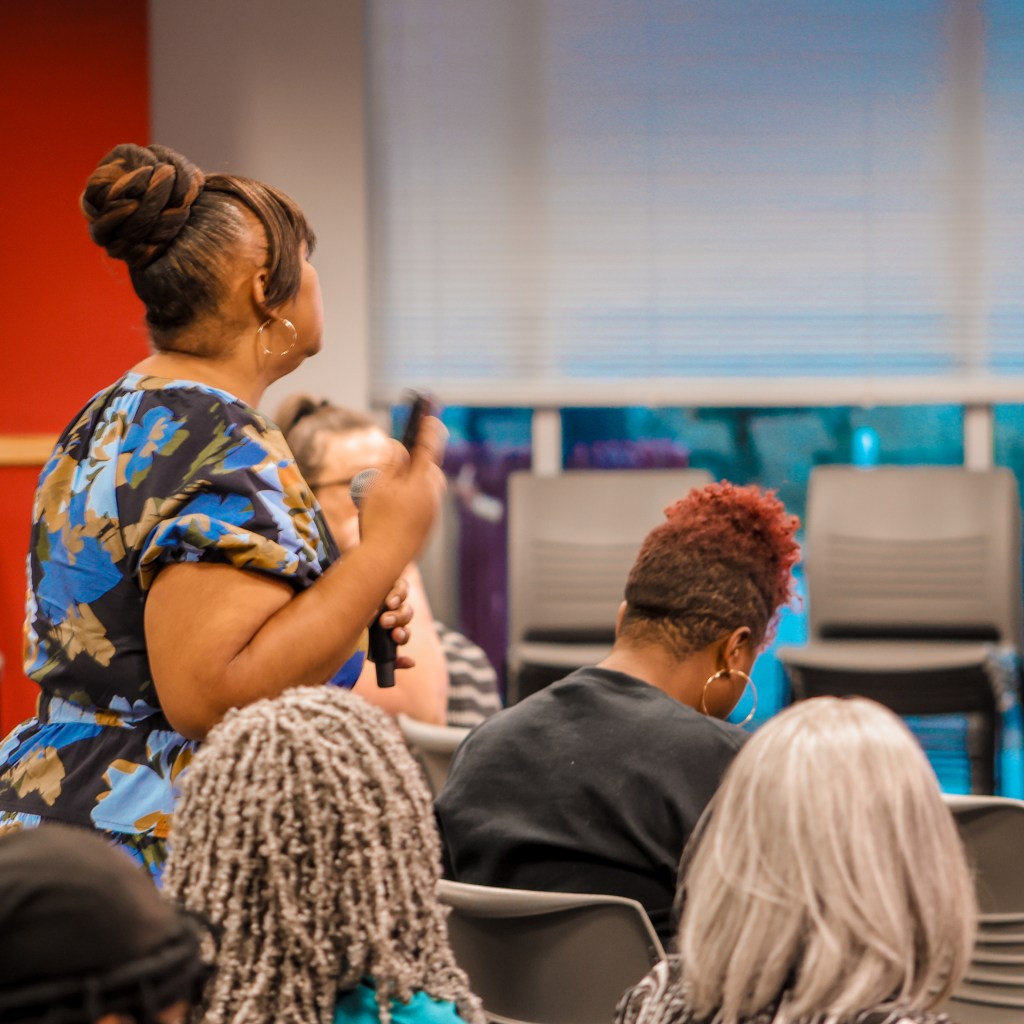
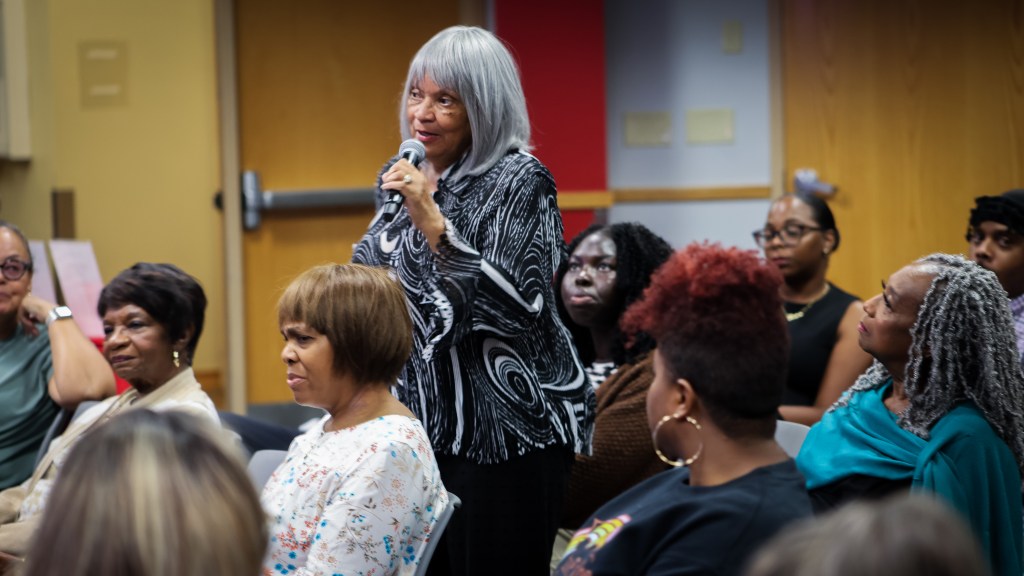
People at the session raised genuine concerns about healthcare, housing, affordability, and youth education. One woman was hilariously adamant about HOA abuse. She brought some humor to the room, but she wanted her concern taken seriously.
As I listened, I kept coming back to one question: What can we put into motion?
I consider myself a solutions-based diplomat. I want to understand the concern, identify the steps, deploy a response, and measure whether it achieves the goal.
Housing affordability needs attention. So does access to healthcare. Our young people need educational options that prepare them for life. Our elders need care that responds to their specific needs.
For me, economic opportunity connects to all of those concerns.
We need to address rising costs while also creating more ways for people to earn, save, own, and build stability. A person working hard should have a realistic path toward getting ahead.
Why I Keep Bringing the Conversation Back to Black Men
I believe Black men have a significant role to play in building up our communities.
That belief comes from what I have witnessed: men nurturing their children, caring for family, providing under pressure, protecting the people they love, and finding ways to survive with very little.
I want to see what becomes possible when more of that effort has economic structure behind it.
By structure, I mean accessible training, paid opportunities, business guidance, relationships, access to capital, and a fair chance to compete for contracts. I mean pathways that people can understand and enter without already knowing someone on the inside.
Resilience has helped many of us survive. I want policy that gives us more room to build something lasting.
Education Should Connect to a Livelihood
The shortage of Black male educators came up at the session. That deserves attention. Young people benefit from seeing people who understand their experiences in positions to teach and guide them.
I also believe we should broaden the conversation about education.
Classrooms matter. So do workshops, garages, job sites, trucking schools, and logistics training programs. A skilled mechanic, tradesperson, or business owner can teach lessons that change a young person’s future.
When I listen to young men across the city, I keep hearing a similar frustration: school doesn’t feel connected to their needs, and they need to make some money.
We should take that seriously.
A young man who needs income today may struggle to commit to training that offers a possible payoff years from now. Paid apprenticeships and opportunities to earn while learning deserve a place in our solutions.
That leads me to the question I keep asking:
Who is making space for them?
Where can a young man walk in ready to work and find someone willing to invest in his potential? Who is bringing employers, educators, and skilled professionals together to create paid opportunities he can actually access?
We need programs built around the realities these young men face: bills to pay, families to support, and limited time to wait for a return on their effort. Give them a place to learn, a way to earn, and room to grow into ownership and leadership.
What I Want on the Policy Table
If I pursue a role in local government, these are some of the questions I want to bring into the room:
- Job creation: Which opportunities offer a realistic path to better pay and advancement, and how do residents get connected?
- Paid training: How can employers, training providers, and community organizations create more opportunities to earn while learning?
- Contracting: What prevents small businesses from competing for contracts, and what practical support would help them qualify?
- Entrepreneurship: How do we help someone move from an idea to a functioning business with customers, sound finances, and room to grow?
- Regulations: Which requirements serve a clear public purpose, and where can processes become easier to understand and navigate?
- Accountability: Who is responsible for each commitment, what is the timeline, and how will the community know whether it worked?
These are starting points. Listening should help us refine them into proposals that respond to what people actually need.

Building Beyond Election Season
Economic stability can give a family more room to maintain housing, support a child’s education, arrange transportation, and care for an aging relative. Public services and protections still matter, and stronger economic pathways belong alongside them.
That is the direction I want to explore: policy that connects immediate needs with opportunities to build lasting stability.
I went to the listening session because I wanted to hear the community and understand the conversation. I left with a responsibility to keep showing up—and to get more specific about the work I believe we can do.
For Resilient Mind, this is a conversation worth continuing. How do we turn determination into opportunity? How do we give young men room to contribute? How do we build an economic structure that helps families move forward?
My ambition is to help answer those questions through action. That starts with listening, showing up, and coming to the table prepared to work.





Leave a Reply