- Who’s Making Space for Black Men?
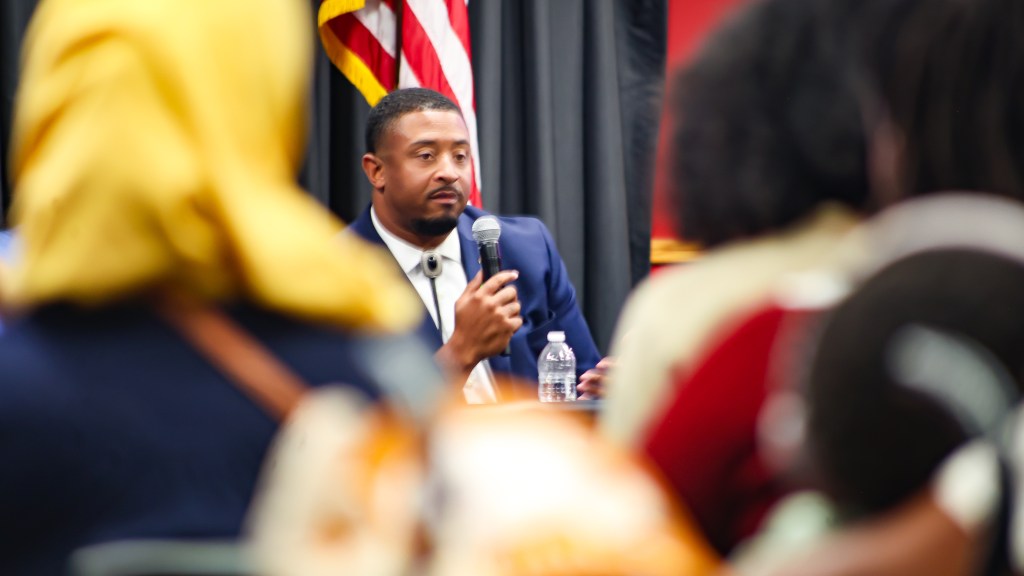
A Colorado Black Caucus listening session sparked deeper questions about jobs, education, and who makes space for Black men to succeed. Kenny Hopkins reflects on community concerns, civic accountability, and economic opportunity, exploring how paid training, entrepreneurship, and actionable policy can help build stronger families and lasting stability across communities.
- What If You’re Not Losing—You Just Haven’t Reached the End of the Story Yet?
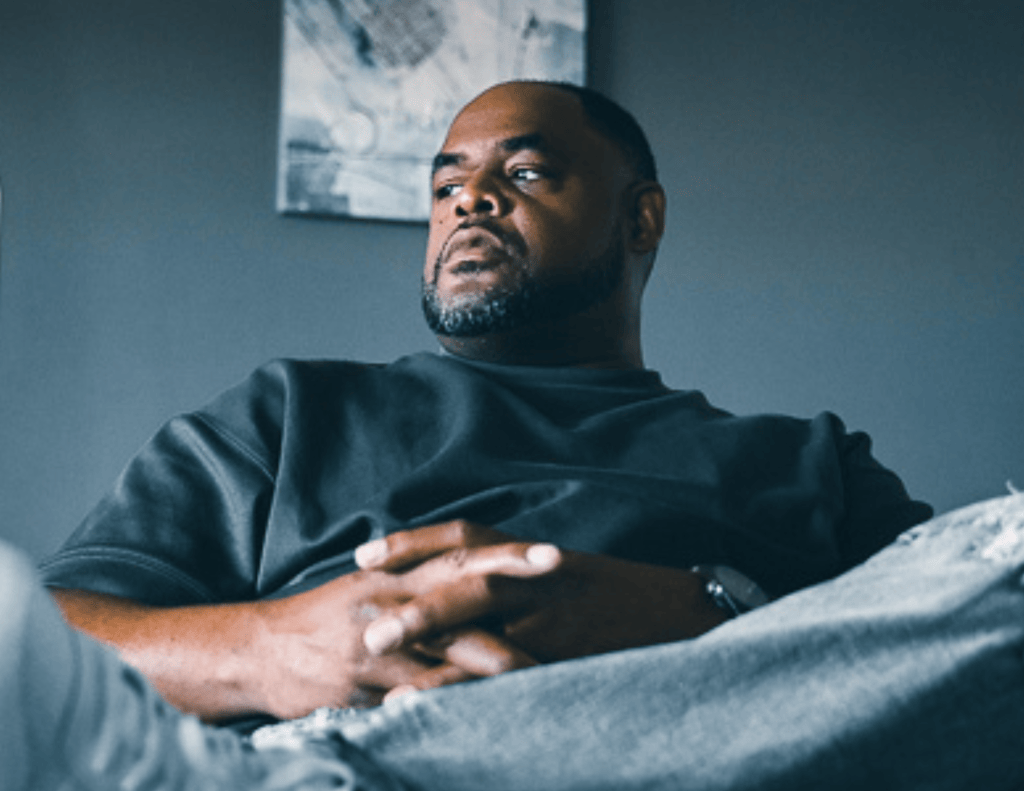
Master P wrote about never giving up nearly 20 years ago. Looking at his journey today made me reconsider my own failures, lessons and unfinished story—and what might happen if I simply keep going.
- Local Artists Through My Lens
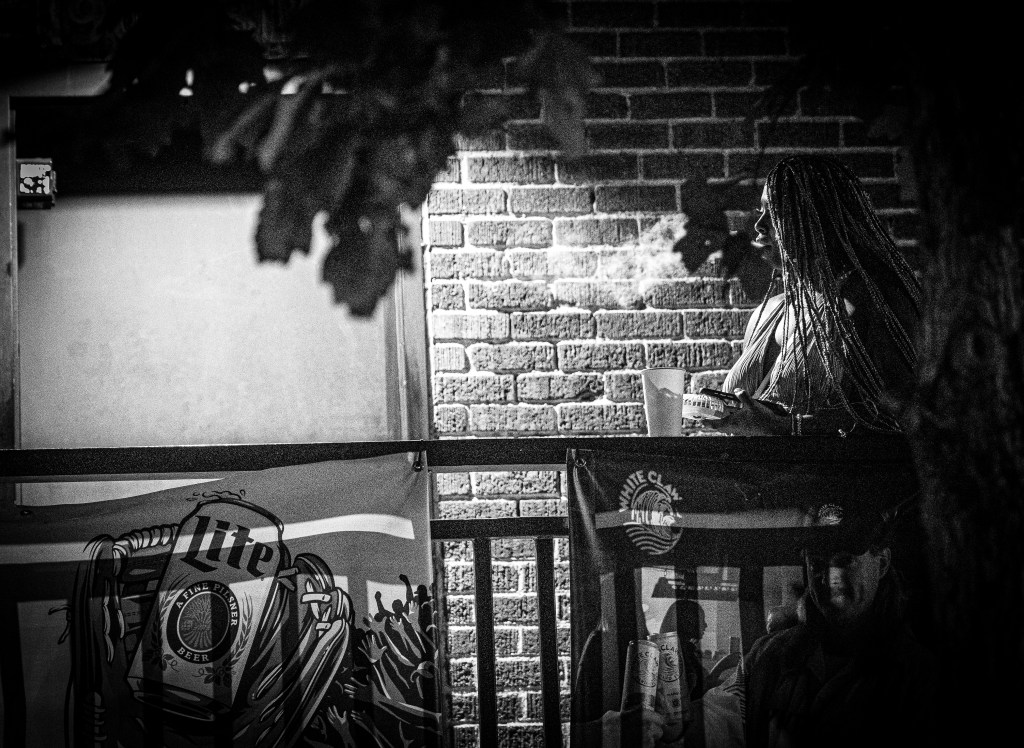
Denver has a sound all its own. Through my lens, I’ve spent this year capturing the artists, performances, quiet moments and raw energy shaping the city’s independent music culture. Somewhere along the way, I realized I wasn’t just photographing performances—I was documenting a piece of Denver’s culture in real time.
- Hustle Is an Art Form
The mind is a beautiful, unpredictable space filled with compartments waiting to be discovered. Through photography and creativity, I’ve learned that resilience is often about finding another angle, another idea, or another way forward. Hustle becomes an art form when creativity, resourcefulness, and survival meet in the resilient mind.
- Montbello vs. Northfield: A Tough Football Reality
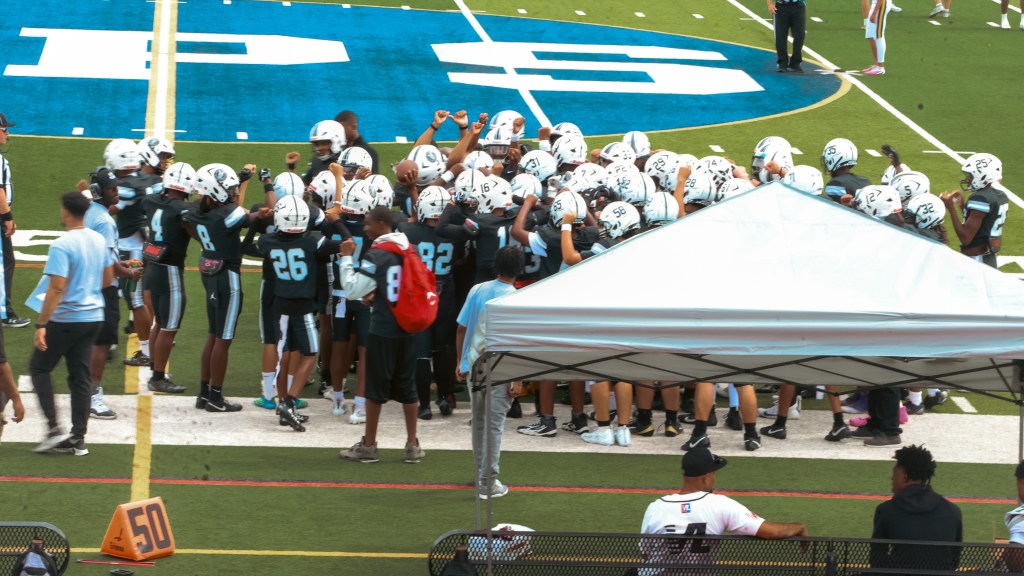
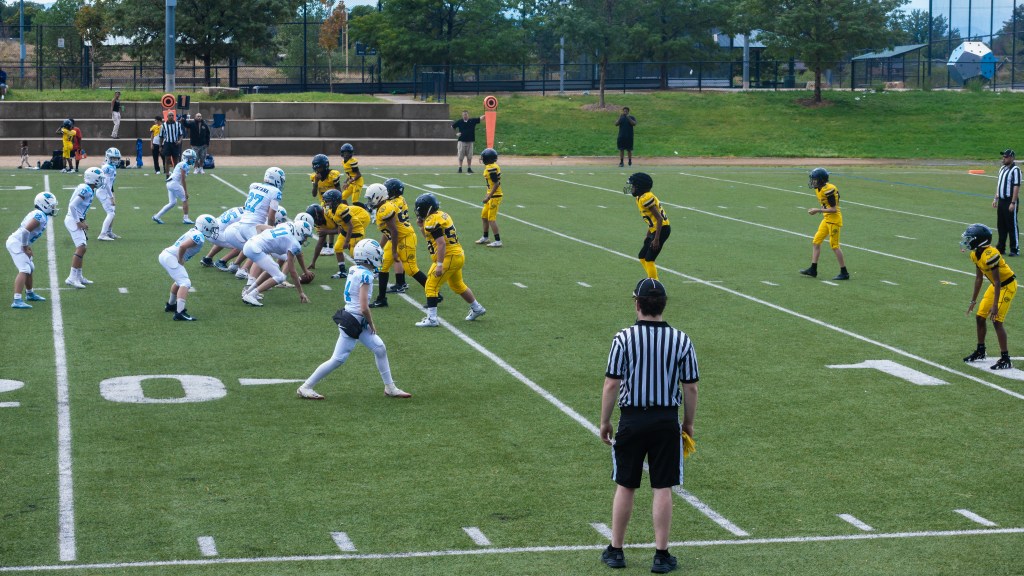
Football Saturday didn’t go according to plan. After chasing the game across Denver, I finally watched Northfield hand Montbello a tough 49–0 loss. But football—and life—isn’t only about winning. Sometimes you get knocked down. The real test of resilience is learning, adjusting, getting back up, and coming back stronger.

 A Colorado Black Caucus listening session sparked deeper questions about jobs, education, and who makes space for Black men to succeed. Kenny Hopkins reflects on community concerns, civic accountability, and economic opportunity, exploring how paid training, entrepreneurship, and actionable policy can help build stronger families and lasting stability across communities.
 Master P wrote about never giving up nearly 20 years ago. Looking at his journey today made me reconsider my own failures, lessons and unfinished story—and what might happen if I simply keep going.
 Denver has a sound all its own. Through my lens, I’ve spent this year capturing the artists, performances, quiet moments and raw energy shaping the city’s independent music culture. Somewhere along the way, I realized I wasn’t just photographing performances—I was documenting a piece of Denver’s culture in real time.
 The mind is a beautiful, unpredictable space filled with compartments waiting to be discovered. Through photography and creativity, I’ve learned that resilience is often about finding another angle, another idea, or another way forward. Hustle becomes an art form when creativity, resourcefulness, and survival meet in the resilient mind.
 Football Saturday didn’t go according to plan. After chasing the game across Denver, I finally watched Northfield hand Montbello a tough 49–0 loss. But football—and life—isn’t only about winning. Sometimes you get knocked down. The real test of resilience is learning, adjusting, getting back up, and coming back stronger.



Leave a Reply