What Happened After the Cameras Left
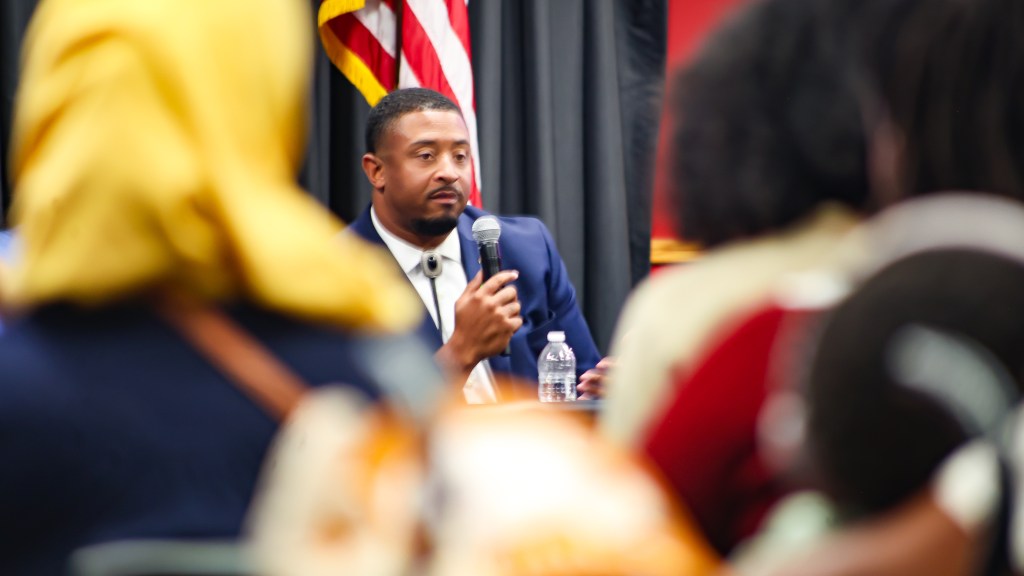
Yesterday I attended the press conference at Brother Jeff’s Cultural Center following the tragic shooting at Ultra Lounge.
The room was filled with people who genuinely care about this community.
Victim advocates.
Violence interrupters.
Youth organizations.
Pastors.
Community leaders.
Mentors.
Organizations like Struggle of Love and many others came together to acknowledge the victims, pray for the families, and have an honest conversation about where we are as a community. Throughout the press conference we heard calls for accountability, fathers to become more involved, stronger leadership, more resources, more mentorship, and more support for young people. Those themes came up repeatedly, and they mattered.
We’ve heard these conversations before.
Not because they’re wrong.
Because they’re true.
The problem isn’t that we don’t know what needs to happen.
The problem is that we keep having the conversation without enough people becoming the solution.
One thing I do want to challenge, though, is the idea that organizations only show up when the cameras are rolling.
I hear people say that all the time.
“They’re only here because the news is here.”
I don’t believe that.
I think it’s the exact opposite.
You don’t see these organizations until the cameras show up.
The cameras aren’t there on a Tuesday afternoon when someone needs help finding housing.
They’re not there when a mentor answers a phone call late at night.
They’re not there when someone is helping a young person write a résumé, find a job, buy groceries, get counseling, or simply have someone to talk to.
That work happens every single day.
Most of it happens when nobody is watching.
But as important as the press conference was, that’s actually not what stayed with me.
What stayed with me happened after everyone packed up their cameras.
When the Spotlight Was Gone
Once the reporters left and the interviews were over, many of us stayed.
We pushed our chairs into a circle.
No cameras.
No pictures.
No social media.
Just people.
The conversation was honest.
The agreement was simple: what was shared in that room would stay in that room.
I’m going to honor that.
So I won’t tell you who spoke or what they shared.
But I can tell you what I walked away with.
There was one theme that kept coming up.
Self-care.
Almost every person in that room talked about it.
Not because they were being selfish.
Because they understood something that we don’t talk about enough.
The people helping carry our communities are carrying a lot themselves.
The mentors.
The outreach workers.
The violence interrupters.
The pastors.
The case managers.
The advocates.
The parents.
Many of them spend their lives helping other people heal while quietly carrying wounds of their own.
One person shared the airplane analogy that we’ve all heard before.
When the oxygen masks drop, you’re told to put yours on first.
Not because your life matters more than everyone else’s.
Because you can’t help anyone if you can’t breathe.
That hit me differently yesterday.
Maybe that’s where our community is right now.
We’re trying so hard to save one another that many of us have forgotten to check on ourselves.
Healing Starts With Us
Mental health isn’t only about responding after tragedy.
It’s about taking care of ourselves before life forces us to.
It’s about recognizing when we’re exhausted.
When we’re overwhelmed.
When we’re carrying grief that we haven’t processed.
When we need to ask for help instead of pretending we’re okay.
If we want stronger families, stronger neighborhoods, stronger leaders, and stronger communities, then we have to start with healthier people.
Not perfect people.
Healthy people.
Yesterday’s press conference reminded me why this work matters.
The healing circle reminded me how we sustain it.
Real change won’t come from another microphone.
It won’t come from another press conference.
It will come when each of us decides to take responsibility for our own healing while continuing to care for the people around us.
Because at the end of the day, we can’t pour from an empty cup.
And we can’t help heal our community if we never give ourselves permission to heal first.




Leave a Reply