
Advocates of Open Borders and Economic Growth
In today’s globalized world, the question of open borders and its connection to workforces has become a topic of intense political and economic debate. Advocates of open borders argue that it can promote economic growth and address labor shortages by allowing the free movement of people, goods, and services across countries.
Expanding the workforce through the free movement of people has the potential to contribute to increased productivity and innovation. By attracting skilled workers from different parts of the world, countries can benefit from a diverse pool of talent, bringing fresh perspectives and ideas to their industries. This added diversity in the workforce can lead to increased creativity, competitiveness, and efficiency, ultimately raising the overall output and economic prosperity.
Moreover, open borders can also benefit the economies of both sending and receiving countries. For sending countries, the remittances sent back by their nationals working abroad can serve as a significant source of income, boosting their GDP. Additionally, the brain gain phenomenon can occur when skilled workers return to their home countries after gaining valuable experience and knowledge overseas, bringing with them new skills and expertise.
Opponents of Open Borders and Concerns about Job Markets

However, opponents of open borders express concerns about potential negative impacts on job markets, wages, and social systems. One of the key arguments against open borders is the fear of increased competition for jobs. Critics believe that unrestricted migration may result in a surplus of workers in certain industries, leading to greater competition and potentially driving down wages.
This concern is particularly relevant for domestic workers who fear that an influx of foreign labor could lead to a decreased demand for their skills or even job loss. Critics argue that this can exacerbate issues of unemployment and income inequality, especially among vulnerable populations.
Balancing Economic Opportunities and Job Market Security
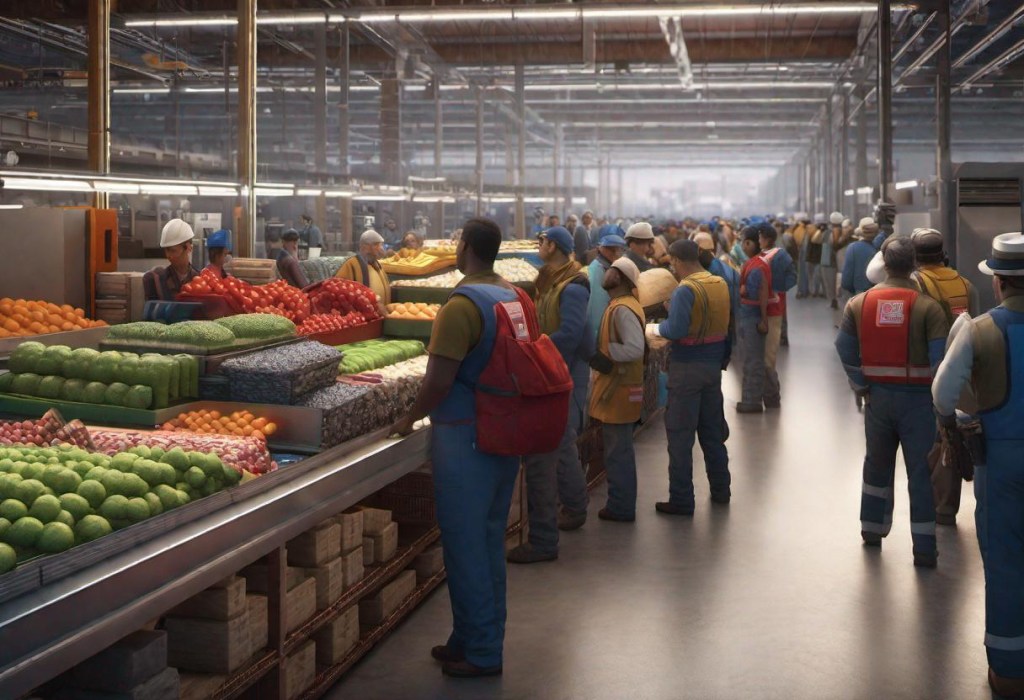
While the debate on open borders and its connection to workforces continues, it is crucial to find a balance between economic opportunities and job market security. Governments must consider the impact of open borders on domestic labor markets and take steps to mitigate any negative consequences.
Effective immigration policies, such as skill-based migration systems, can help address labor shortages while ensuring that the interests of domestic workers are protected. By prioritizing the admission of skilled workers based on the specific needs and demands of the economy, countries can maintain a competitive workforce without compromising the job prospects and wages of their own citizens.

It is important to acknowledge that open borders alone may not be a solution to all economic and labor-related challenges. Instead, a comprehensive approach that factors in the concerns of all stakeholders is essential to strike a balance and maximize the potential benefits of open borders while minimizing any potential negative impacts.
- Who’s Making Space for Black Men?
 A Colorado Black Caucus listening session sparked deeper questions about jobs, education, and who makes space for Black men to succeed. Kenny Hopkins reflects on community concerns, civic accountability, and economic opportunity, exploring how paid training, entrepreneurship, and actionable policy can help build stronger families and lasting stability across communities.
 - What If You’re Not Losing—You Just Haven’t Reached the End of the Story Yet?
 Master P wrote about never giving up nearly 20 years ago. Looking at his journey today made me reconsider my own failures, lessons and unfinished story—and what might happen if I simply keep going.
 - Local Artists Through My Lens
 Denver has a sound all its own. Through my lens, I’ve spent this year capturing the artists, performances, quiet moments and raw energy shaping the city’s independent music culture. Somewhere along the way, I realized I wasn’t just photographing performances—I was documenting a piece of Denver’s culture in real time.
 - Hustle Is an Art Form
 The mind is a beautiful, unpredictable space filled with compartments waiting to be discovered. Through photography and creativity, I’ve learned that resilience is often about finding another angle, another idea, or another way forward. Hustle becomes an art form when creativity, resourcefulness, and survival meet in the resilient mind.
 - Montbello vs. Northfield: A Tough Football Reality
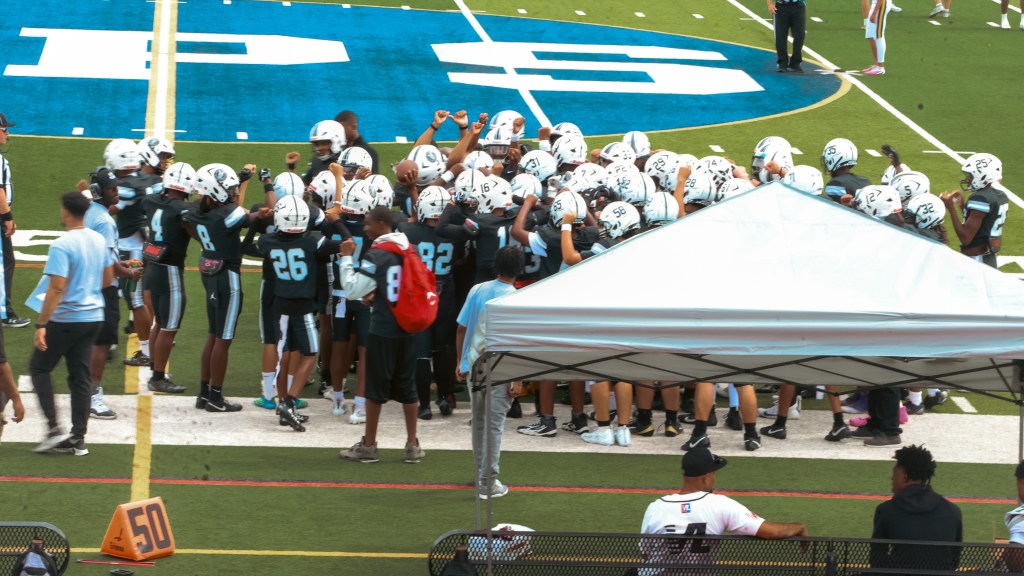
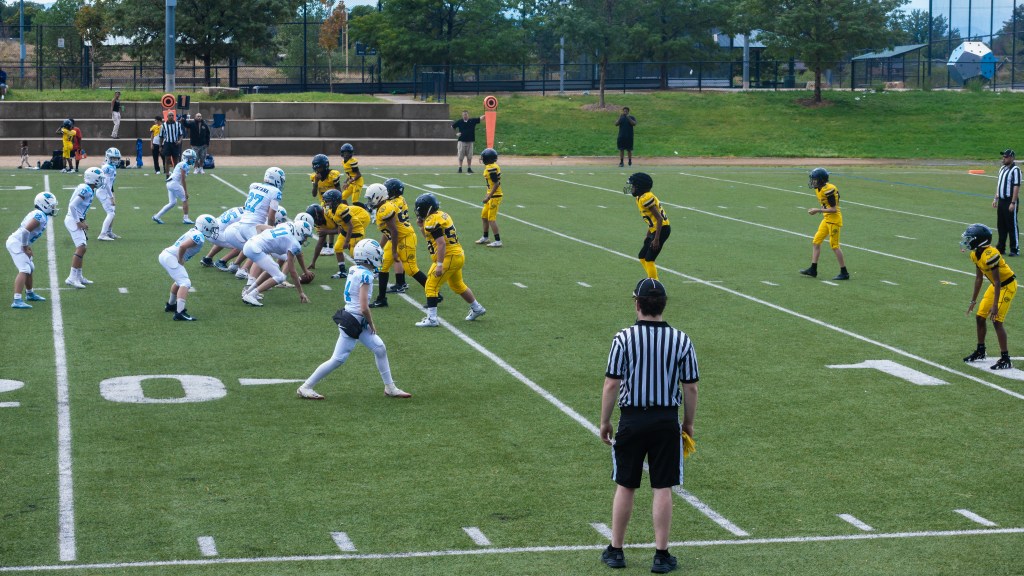
 Football Saturday didn’t go according to plan. After chasing the game across Denver, I finally watched Northfield hand Montbello a tough 49–0 loss. But football—and life—isn’t only about winning. Sometimes you get knocked down. The real test of resilience is learning, adjusting, getting back up, and coming back stronger.







Leave a Reply