
Every Important Conversation Begins with Purpose… and Somehow Ends with Emotion.
We’ve become a society that rewards the fastest reaction instead of the deepest thought.
A headline appears, a clip goes viral, someone makes a controversial statement, and before we’ve taken five minutes to understand the context, we’re expected to choose a side. We defend, attack, repost, argue, and personalize. Somewhere along the way, reacting became more valuable than thinking.
I’m beginning to wonder if that’s why so many important conversations never go anywhere.
Over the years, I’ve learned that one of the most powerful things you can do is… nothing.
Not forever.
Just long enough to observe.
Sit back. Watch. Listen.
Pay attention to who consistently shows up. Watch how people respond when they’re challenged. Notice which conversations produce solutions and which ones simply produce more outrage. If you’re patient enough, patterns begin to reveal themselves. And once you start seeing patterns, you stop making decisions based on isolated moments and start making them based on understanding.
That’s a skill we’ve lost.
Too often, our emotions grab the steering wheel before our minds ever get a chance to drive. One comment, one opinion, one poorly worded sentence, and suddenly the entire mission changes. Instead of solving the problem, we’re defending ourselves. Instead of looking for understanding, we’re looking for validation. Instead of moving the conversation forward, we spend all of our energy proving that we were offended.
The mission gets lost.
That doesn’t mean emotions are the enemy. Emotions are part of being human. The problem begins when every emotion demands immediate action. Resilience isn’t about becoming emotionless. It’s about developing enough discipline that your emotions don’t make every decision for you.

I’ve also realized that context matters more than perfect communication.
Not everyone has the right words. Not everyone expresses themselves clearly. Some people speak from pain. Others speak from frustration. Some simply don’t have the vocabulary to explain what they’re feeling. If we judge every conversation by how perfectly it was delivered, we’ll miss what people are actually trying to communicate.
Maybe the better question isn’t, “Did they say it the right way?”
Maybe it’s, “What were they trying to say?”
That question requires patience. It requires humility. More importantly, it requires listening—something we’ve become surprisingly uncomfortable doing.
I’ve seen this firsthand. The public usually sees the speeches, the press conferences, the interviews, and the debates. They see people standing behind microphones speaking to cameras. But what they rarely see are the conversations that happen after everyone goes home. After the cameras are packed away. After the applause dies down.
That’s where real progress often begins.
People stop performing for an audience. They lower their guard. They ask questions instead of making statements. They begin trying to understand one another instead of trying to win.
Those conversations almost always lead to the same realization.
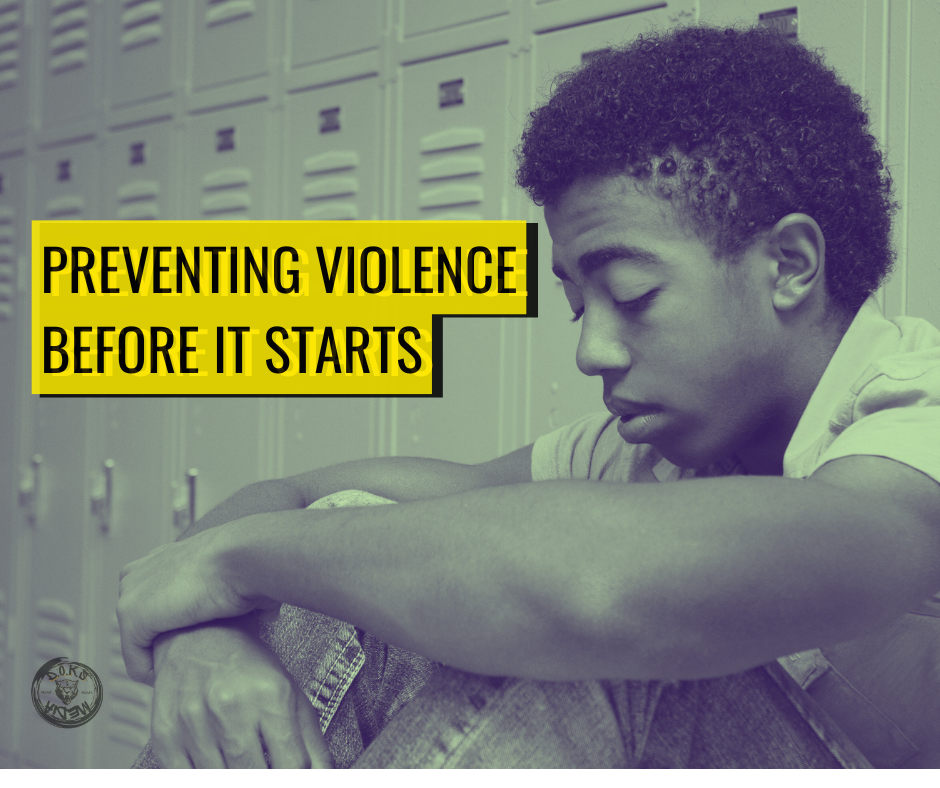
Before we can improve our communities, we have to learn how to manage ourselves.
I’m not talking about the commercial version of self-care that’s been reduced to spa days and motivational quotes. I’m talking about mental discipline. How easily can another person’s opinion disturb your peace? How quickly can one comment ruin your entire day? How much control have you given away to people who don’t even know you?
If another person’s words completely dictate your emotional state, then your peace doesn’t belong to you. It belongs to whoever speaks loud enough to take it.
A resilient mind refuses to surrender that kind of control.
The older I get, the more I realize how dangerous assumptions can be. We love putting people into categories because it makes the world easier to understand. But real life doesn’t work that way.
Every family has a different story.
Every parent has a different struggle.
Every child carries a different burden.
Some people inherited circumstances they never chose. Others are still trying to recover from decisions they made years ago. That’s why compassion has to come before assumptions. You can disagree with someone’s opinion without pretending you understand their entire life.
That’s something our communities desperately need to relearn.
We don’t need fewer conversations.
We need better ones.
Conversations where disagreement isn’t treated like betrayal. Conversations where understanding is valued more than being right. Conversations where people leave with more clarity than they had when they walked in.
Because the truth is, none of us builds anything meaningful alone.
The future we’re trying to create won’t be built by one generation, one neighborhood, one organization, or one group carrying the entire burden. It will require people with different experiences, different perspectives, and different stories choosing to work toward the same purpose instead of allowing every disagreement to become another division.
Lately, I’ve been asking myself one question.
How long are we going to let our history be the only thing that defines us?
Remembering where we came from matters. We should never forget it. But memory alone isn’t a legacy. Eventually, we have to create something worth remembering ourselves.
What if fifty years from now our grandchildren talked about this generation differently?
Not simply as the generation that inherited division, but as the generation that rebuilt trust.
The generation that learned how to have difficult conversations again.
The generation that stopped allowing outrage to become entertainment.
The generation that chose wisdom over reaction.
Maybe real change doesn’t begin with another speech, another argument, or another viral post.
Maybe it begins the moment we stop asking, “How should I react?”
…and start asking, “What am I missing?”
Because that’s where resilience begins.


 The Resilient Mind
Leave a comment