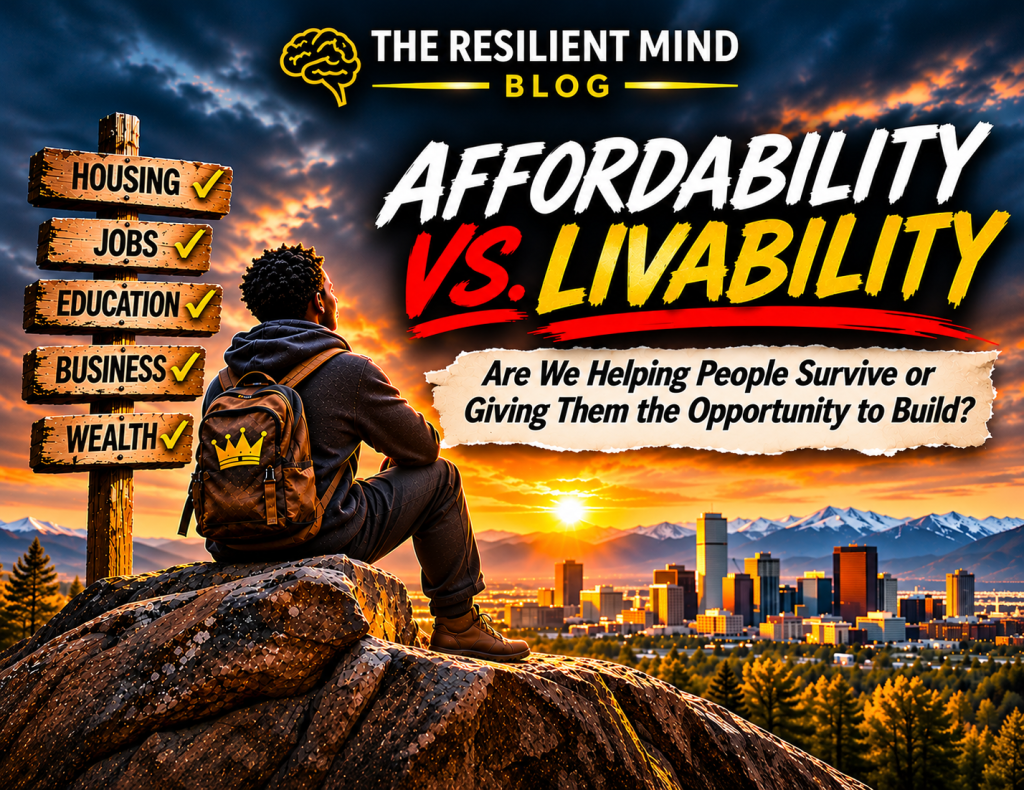
Affordability vs. Livability
So you mean to tell me… we’ve spent all these years talking about making everything affordable, but nobody wants to have a serious conversation about making life actually livable? Affordable housing, affordable groceries, affordable healthcare, affordable transportation. Affordable this, affordable that. Don’t get me wrong, I’m all for affordability. But what good is making something cheaper if people still don’t earn enough money to afford it? Somebody tells you to save $20 a week like that’s some groundbreaking financial advice. Man, that’s my last damn $20! That’s gas money, bus fare, or something to eat until payday. And even if I manage to save $60, here comes a $59.95 oil change that somehow turns into $120 because I need an air filter, windshield wipers, and some other shit I didn’t know was broken. Now I’m pulling out the credit card again. That’s not financial stability. That’s surviving one emergency at a time. And that’s exactly why I’ve been saying for years that affordability and livability are two completely different conversations.
Recently, I watched Byron Donalds’ interview on The Breakfast Club with Charlamagne Tha God, DJ Envy, and Angela Rye. This interview happened before the election, when Donalds was explaining his vision for Florida. He talked about lowering housing and insurance costs, improving education, creating apprenticeships, and giving young people opportunities to enter the workforce without accumulating mountains of student loan debt. But what really caught my attention was his discussion about young Black people building businesses, raising families, establishing financial independence, and creating generational wealth. Now THAT is a conversation worth having! Since that interview, Donalds has made history by becoming the first Black person elected governor of Florida. And before anybody starts making assumptions about my politics, let me say congratulations to Byron Donalds and his family. Recognizing a Black man’s historic achievement doesn’t mean I agree with every policy he supports. It means I can acknowledge an accomplishment without turning everything into a political fight. History is history, and sometimes you’ve got to give a man his flowers.
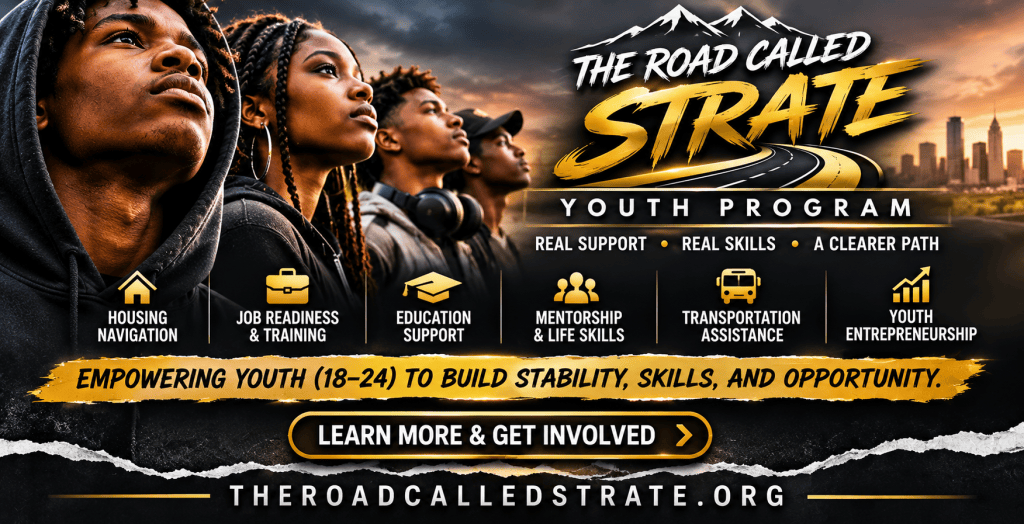
Working in the nonprofit sector, I see firsthand why assistance programs are necessary. I work with young people trying to find housing, secure employment, establish financial stability, and figure out what comes next in their lives. Some need rental assistance. Others need transportation, job training, financial education, or simply somebody willing to help them develop a plan. I understand those needs because life doesn’t always give people the opportunity to prepare for the emergencies they face. But here’s my question: What happens after we help somebody survive today? Are we helping them build a foundation for tomorrow, or are we just putting another Band-Aid on the problem? Financial literacy is important, but you cannot budget your way into prosperity when your income consistently falls short of your basic expenses. We need pathways to better employment, higher earning potential, business ownership, and financial independence. That doesn’t mean eliminating assistance or pretending everybody can become self-sufficient overnight. It means recognizing that assistance and opportunity should work together. Helping somebody survive an emergency is important, but helping them build a future can change the direction of their entire family.
And that’s where I believe we’re missing part of the bigger picture. There’s another group of people who need support, too: the people trying to create opportunities for others. The young entrepreneur trying to start a business. The small-business owner trying to hire their first employee. The father trying to establish something his children can inherit. These people may not need rental assistance, but they might need access to capital, mentorship, business education, or resources that help them grow. When businesses succeed, they can create employment, generate income, circulate money through local communities, and contribute to the tax revenue that supports public services. That’s an economic ecosystem! We should be looking for ways to connect housing stability, workforce development, entrepreneurship, and community investment instead of treating them like competing priorities. And that’s also why political conversations need to become more productive. Angela Rye raised legitimate questions during that interview about funding, voting rights, and public policy. Those questions deserve answers. But damn, can we let people finish answering before we start arguing? Challenge the policies. Ask where the money is coming from. Ask who benefits and who might be negatively affected. But allow people to hear the ideas and evaluate the answers. The objective should be understanding and accountability, not simply winning a shouting match.
So congratulations again to Governor-elect Byron Donalds on making history. What happens next will ultimately matter more than any campaign speech, and the policies he implements deserve the same scrutiny as those of any other elected official. But the conversation about education, entrepreneurship, economic opportunity, family stability, and generational wealth shouldn’t belong to Republicans or Democrats. It should belong to everybody who wants to see their communities prosper. I don’t want the next generation inheriting nothing but survival strategies, unpaid bills, and instructions on how to stretch their last $20. I want them inheriting knowledge, opportunities, businesses, assets, and the ability to build something greater than what came before them. We can continue fighting over who deserves assistance, who should pay for it, and which political party gets the credit, or we can start having serious conversations about creating an economy where more people have the opportunity to thrive. Because at the end of the day, it’s one thing to make life more affordable. It’s another thing to create opportunities for people to build a life worth living. And that, my friends, is a conversation worth having.
The Resilient Mind | Crown and Conversation
Let’s have a conversation, not a shouting match.






Leave a Reply